Introduction
There’s a special kind of freedom that comes with traveling alone—the thrill of making your own decisions, the quiet joy of getting lost in a new city, the confidence that blooms when you navigate a foreign train system on your own. But let’s be real: solo travel also comes with unique risks. Without a travel buddy to watch your back, your safety becomes your full responsibility.
The good news? With the right preparation and mindset, solo travel can be not only safe but deeply empowering. Millions of people—especially women, LGBTQ+ travelers, and digital nomads—journey alone every year and return with unforgettable stories, not scary ones.
In this guide, we’ll walk you through practical, proven safety strategies that go beyond the clichés. You’ll learn how to research destinations like a pro, protect your belongings without paranoia, use technology to your advantage, and trust your intuition when it matters most. Whether you’re backpacking through Southeast Asia, exploring European capitals, or road-tripping across national parks, these tips will help you stay alert, prepared, and free to enjoy the adventure.
Because solo travel isn’t about avoiding risk—it’s about managing it wisely so you can grow, connect, and explore with confidence.
1. Research Like a Local—Not Just a Tourist
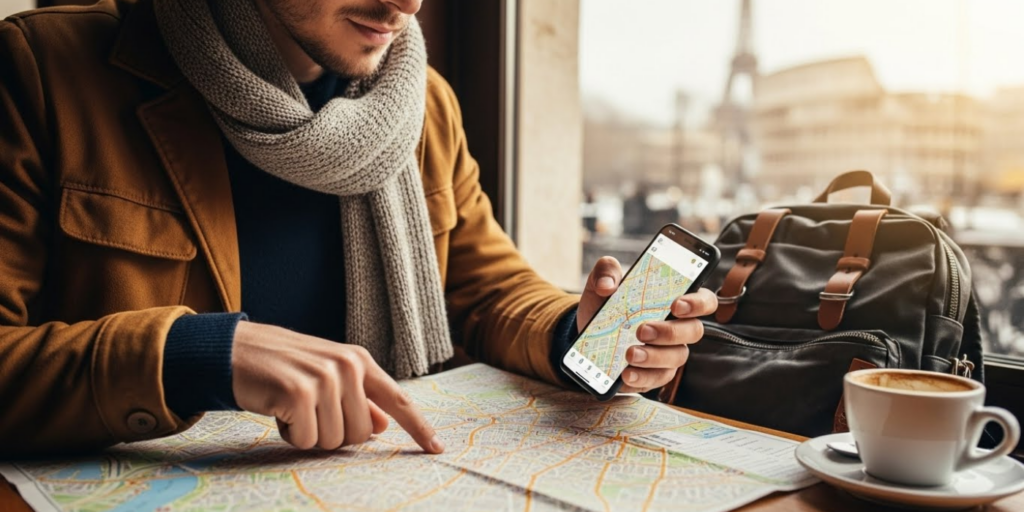
Before you even book a flight, deep destination research is your first line of defense. Don’t just look at Instagrammable spots—dig into safety conditions, cultural norms, and local realities.
Start with official sources:
- The U.S. Department of State’s Travel Advisories (travel.state.gov) for up-to-date safety alerts, crime trends, and entry requirements.
- Local news outlets (search “[Country] news in English”) to understand current events.
- Solo travel forums like Reddit’s r/solotravel or Thorn Tree (Lonely Planet) for real traveler experiences.
Ask the right questions:
- Are there neighborhoods to avoid, especially at night?
- Is petty theft (pickpocketing, bag snatching) common?
- Are there cultural dress codes or behaviors that could draw unwanted attention?
Real-life example:
Maya planned a solo trip to Marrakech after reading blogs that called it “magical.” But she missed warnings about aggressive street vendors and scams targeting solo female travelers. A deeper dive into recent forum posts would’ve prepared her to say “no” firmly, avoid certain medina alleys alone at dusk, and hire a trusted local guide for her first day.
Pro tip: Save offline maps, emergency numbers, and your embassy’s address in your phone before you arrive. Google Maps lets you download entire cities for offline use—lifesaving when you’re lost without data.
2. Pack Smart: Safety Starts Before You Leave Home
What’s in your bag can make a huge difference in a tight spot. Think of your packing list as a safety toolkit.
Essentials for solo travelers:
- Money belt or hidden pocket (wear under clothes) for passport, backup cash, and cards
- Doorstop alarm—a $10 device that wedges under hotel doors and screams if someone tries to open it
- Portable charger—a dead phone = vulnerability
- Mini first-aid kit with meds, bandages, and antiseptic
- Reusable water bottle with filter (like LifeStraw) in places with questionable tap water
Avoid flashy gear:
Leave the expensive camera dangling from your neck, designer handbag, or chunky jewelry at home. Blend in with neutral colors and practical clothes. In many places, looking like a tourist makes you a target.
Tech tip: Enable two-factor authentication on all accounts and use a password manager. If your phone is stolen, you don’t want someone accessing your bank or email.
Bonus: Carry a printed copy of your passport, visa, and travel insurance—separate from the originals. Digital backups in cloud storage (like Google Drive) help too.
3. Master the Art of “Confident Blending”
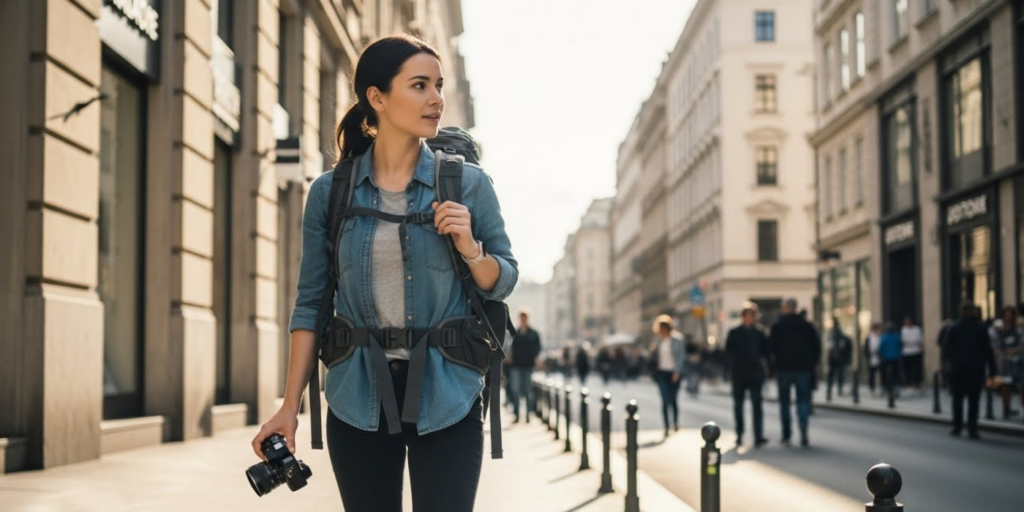
One of the most powerful safety tools solo travelers have is body language. Walking with purpose—even if you’re lost—sends a message: I belong here.
How to look less like a target:
- Walk with your head up, shoulders back, and a steady pace
- Avoid staring at your phone while walking—save navigation for cafes or corners
- Study a map discreetly—step into a shop or sit on a bench instead of standing confused on a street corner
Learn basic local phrases:
Even simple greetings (“hello,” “thank you,” “where is…?”) show respect and can defuse tense situations. Locals are more likely to help someone who makes an effort.
Real analogy: Think of yourself as a duck on a pond—calm on the surface, paddling hard underneath. Project calm, but stay mentally alert.
Also: Trust your gut. If a place or person gives you unease, leave. Your intuition is often picking up on micro-cues your conscious mind hasn’t processed yet. It’s okay to be “rude” to stay safe.
4. Use Technology Wisely—Without Becoming Dependent
Smartphones are incredible safety tools—but only if used thoughtfully.
Key apps for solo travelers:
- WhatsApp or Telegram: Free messaging over Wi-Fi (many hostels and cafes offer it)
- Google Translate: Download languages offline; use camera mode to read signs/menus
- TripIt: Consolidates all bookings (flights, hotels, tours) in one place
- Sitata or Safeture: Real-time travel alerts for protests, weather, or health risks
Safety features to enable:
- Share your location temporarily with a trusted friend via Apple’s Find My or Google Location Sharing
- Set up SOS shortcuts: On iPhone, rapidly press the side button 5 times to call emergency services; on Android, hold the power button and tap “Emergency”
But don’t rely solely on tech:
Batteries die. Signals drop. Always have a paper backup plan. Write down your hotel address in the local language so you can show it to a taxi driver. Keep a small notebook with emergency contacts.
Golden rule: Use tech to enhance your awareness—not replace it.
5. Choose Accommodations That Prioritize Security
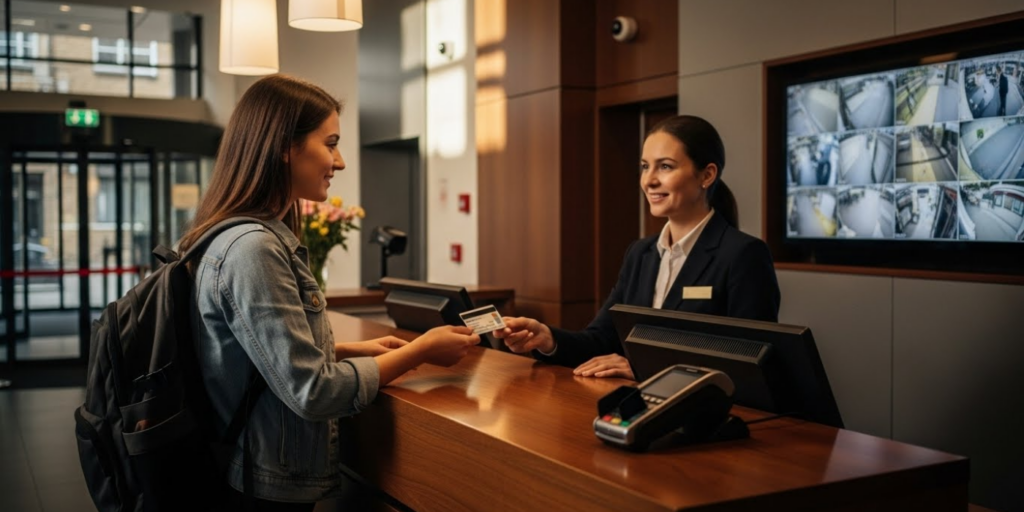
Where you stay sets the tone for your safety. Hostels aren’t inherently unsafe—but not all are created equal.
Look for these features:
- 24/7 front desk with secure keycard access
- Lockers in dorms (bring your own padlock)
- Female-only dorms if that makes you more comfortable
- Good lighting in hallways and entrances
Read recent reviews carefully:
On Booking.com or Hostelworld, sort by “most recent” and search for words like “safe,” “lock,” “staff,” or “location.” A hostel with rave reviews but one recent comment about “broken door locks” is a red flag.
Alternative options:
- Guesthouses or ryokans (in Japan) often offer more privacy and local interaction
- Trusted home-sharing (via Airbnb with verified hosts and 50+ reviews)
- Women-run stays—many cities now have hostels or B&Bs specifically for solo female travelers
Pro move: Message your accommodation ahead of time to confirm check-in procedures, especially for late arrivals. Knowing what to expect reduces stress and vulnerability.
6. Build Connections—Safely
One of the joys of solo travel is meeting people—but vet wisely.
Safe ways to connect:
- Join free walking tours (like Sandeman’s)—great for orientation and meeting fellow travelers
- Use Meetup or Couchsurfing Events (not hosting—just events) to find group activities
- Stay in social hostels with common areas and organized dinners
Red flags in new acquaintances:
- Someone who insists on knowing your exact travel plans or where you’re staying
- Pressure to go somewhere isolated (“My friend’s bar is better—let’s go!”)
- Overly personal questions too soon
Trust but verify: It’s fine to have dinner with new friends—but meet in public, pay for your own meal, and never invite strangers to your room.
Remember: Most people are kind. But a little caution ensures those good interactions stay positive.
7. Plan for Emergencies—Because Hope Isn’t a Strategy
Even the smoothest trips can hit snags. A quick plan minimizes panic.
Before you go:
- Get travel insurance that covers medical emergencies, theft, and trip interruption (World Nomads or SafetyWing are popular)
- Register with STEP (Smart Traveler Enrollment Program) so the U.S. embassy can reach you in a crisis
- Save local emergency numbers: 112 works in most of Europe; Japan = 110 (police), 119 (ambulance)
Create a “what if” checklist:
- What if I lose my passport? → Contact embassy, file police report
- What if I get sick? → Insurance hotline, local clinic, rest
- What if I feel unsafe? → Go to a hotel lobby, police station, or crowded café
And always: Keep a small emergency fund ($50–100) in cash, hidden separately from your wallet.
Conclusion: Safety Frees You to Explore
Solo travel isn’t about living in fear—it’s about traveling with eyes wide open. When you prepare thoughtfully, you’re not limiting your adventure; you’re unlocking it. Confidence comes from knowing you’ve done your homework, packed wisely, and trusted your instincts.
The world is full of kind strangers, breathtaking landscapes, and transformative moments waiting just beyond your comfort zone. With these safety strategies in your toolkit, you can step into them with courage—and return not just with photos, but with a deeper sense of self-reliance.
So go ahead: book that ticket, lace up your boots, and explore. The world needs your curiosity—and you’ve got what it takes to do it safely.
Now we’d love to hear from you: What’s your number one solo travel safety tip? Have you ever avoided a situation by listening to your gut? Share your wisdom in the comments below—your advice could help another solo adventurer feel more confident on their next journey. And if this guide helped you, pass it on to someone dreaming of their first solo trip. Safe travels!
Copiar
Pergunte
Explique
Traduzir(pt-PT)

James Anderson is a passionate enthusiast of travel, fine dining, financial freedom, and personal performance. Always seeking new experiences and challenges, he believes in living life fully while continuously improving himself. For James, exploring new destinations, savoring unique culinary experiences, and striving for independence are not just hobbies—they are a lifestyle built on curiosity, growth, and the pursuit of excellence.