

You’re standing on a bustling street in Rome, Bangkok, or even downtown Chicago—hungry, curious, and determined to skip the tourist traps. You want real food: the kind locals eat, made with tradition, heart, and maybe a secret family recipe passed down for generations. But how do you cut through the noise of flashy menus, Instagrammable façades, and five-star reviews that all seem to say the same thing?
Finding authentic restaurants isn’t about luck—it’s a skill you can learn. And it’s more rewarding than ever in a world where culinary globalization often blurs regional flavors. Whether you’re traveling abroad or exploring your own city’s hidden neighborhoods, knowing how to spot genuine spots means tastier meals, richer cultural connections, and memories that go far beyond a full stomach.
In this guide, you’ll discover practical, field-tested strategies used by food writers, expats, and savvy travelers to uncover authentic eateries anywhere in the world. We’ll cover how to read a menu like a local, why location matters more than you think, how to use (and not misuse) online reviews, and the subtle signs that separate a real deal from a performance. Plus, you’ll learn how to engage respectfully with communities to earn recommendations that no algorithm can replicate.
So put down the generic travel guide and get ready to eat like someone who belongs.
What Does “Authentic” Really Mean? (It’s Not What You Think)
Before we hunt for authenticity, let’s clarify what it actually means—because it’s not about “pure” or “unchanged” cuisine. Food evolves. Immigrant chefs adapt recipes with local ingredients. Grandmothers tweak dishes based on what’s in season. Authenticity is about intention, not perfection.
An authentic restaurant is one where:
- The food reflects a specific culture, region, or family tradition
- The owners or cooks have a personal connection to the cuisine
- The menu prioritizes flavor and heritage over trends or photos
For example, a Thai restaurant in Houston run by a Bangkok-born chef using family recipes is authentic—even if they substitute one herb due to availability. But a “Mexican” spot in Times Square with neon sombreros, $15 margaritas, and a menu of chimichangas? That’s performance, not culture.
Understanding this distinction helps you look beyond labels and focus on the people behind the food. As food critic Jonathan Gold once said: “Authenticity is less about where a dish comes from and more about who’s making it—and why.”
Look Beyond the Tourist Zones: Location Tells a Story
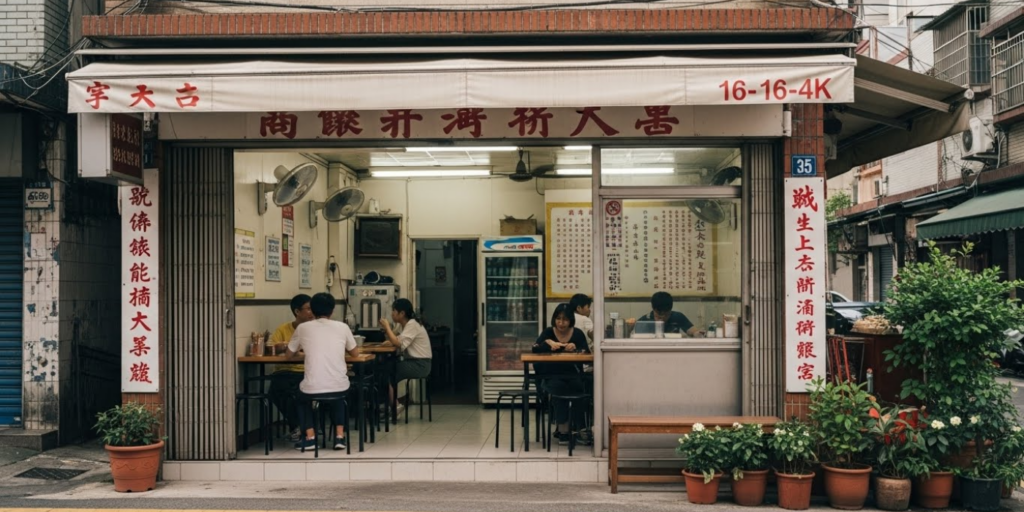
One of the quickest ways to find authentic food? Follow where locals live and work—not where they park tour buses.
Restaurants in historic districts, near markets, or in residential neighborhoods are far more likely to serve genuine cuisine than those clustered around major attractions. Think about it: if a restaurant’s entire customer base is made up of visitors who’ll never return, there’s little incentive to invest in quality or tradition.
Practical Tips:
- Walk 10–15 minutes away from landmarks like the Eiffel Tower, Times Square, or the Colosseum. You’ll often find family-run trattorias, hole-in-the-wall taquerías, or noodle shops with handwritten menus.
- Look for places near ethnic grocery stores, places of worship, or community centers. These are hubs for cultural groups—and their favorite eateries are usually nearby.
- In cities with strong immigrant communities (like LA’s Koreatown or Miami’s Little Havana), the further you go from the “main drag,” the more authentic the food tends to be.
Bonus: Use Google Maps satellite view to scout residential streets with clusters of small storefronts—often a sign of local commerce, not tourism.
Decode the Menu: Clues Hidden in Plain Sight
A restaurant’s menu is a treasure map—if you know how to read it.
Red Flags of Inauthenticity:
- Overly long menus trying to be “everything to everyone” (a real Sichuan spot won’t serve sushi and pad thai and pizza).
- Photos of every dish—common in tourist traps but rare in local favorites.
- Vague, exaggerated descriptions like “world-famous,” “best in the city,” or “authentic-style.”
Green Flags of Authenticity:
- A focused menu centered on one cuisine or region (e.g., “Oaxacan Tacos Only” or “Hand-Pulled Lanzhou Noodles”).
- Bilingual menus (especially if one language is the cuisine’s origin language).
- Daily specials written by hand on a chalkboard—often indicating fresh, seasonal ingredients.
- Dishes you’ve never heard of. If you recognize every item, it’s likely been adapted for Western palates.
Also, check the prices. Extremely cheap “ethnic” food can signal low-quality ingredients or cultural commodification. Fair pricing often reflects respect for the craft.
Use Online Reviews—But Wisely
Yes, Yelp, Google, and TripAdvisor can help—but you have to read between the lines.
Look for these reviewer traits:
- Names that sound local (or match the cuisine’s origin)
- Detailed, specific comments: “The birria broth had the perfect balance of guajillo and cumin—just like my abuela’s”
- Photos of real meals, not just selfies
Avoid reviews that say:
- “Great for tourists!”
- “Super Instagrammable!”
- “They speak English!” (Not inherently bad, but often a sign they cater primarily to visitors)
Better Tools:
- Instagram geotags: Search the city + food hashtag (e.g., “#BangkokStreetFood”) and look for posts from local food bloggers.
- Local food blogs or Substacks: Sites like Eater have city guides, but dig deeper—search “Philly soul food blog” or “Portland vegan hidden gems.”
- Reddit: Subreddits like r/Seattle or r/Barcelona often have “Where do locals eat?” threads with goldmine recommendations.
Pro tip: Sort Google reviews by “Newest”—recent feedback reflects current quality, not what the place was like five years ago.
Talk to Real People—The Old-School Way That Still Works
No algorithm beats a human connection. But how do you ask without overstepping?
Start with service workers: Hotel concierges are hit-or-miss (they often get kickbacks), but bartenders, taxi drivers, baristas, and bookstore clerks usually have honest favorites. Try:
“I’m looking for a place that locals love—somewhere you’d take your family for a special meal. Any suggestions?”
Visit a local market: Vendors spend their lives around food. Ask a fruit seller or butcher where they eat lunch.
Take a cooking class: Many chefs end the session with a list of their trusted suppliers and restaurants.
Be respectful: If you’re in a foreign country, learn a few food-related phrases in the local language. Even “Where do you eat?” in Spanish (“¿Dónde comes?”) or Thai (“Kin khao thi nai?”) shows effort and earns goodwill.
And remember: Don’t demand “secret” spots. Authentic restaurants aren’t hidden—they’re just not advertised to tourists. When you find one, support it like a regular: order multiple dishes, leave a fair tip, and tell friends (quietly).
Bonus: Know the Difference Between “Authentic” and “Traditional”
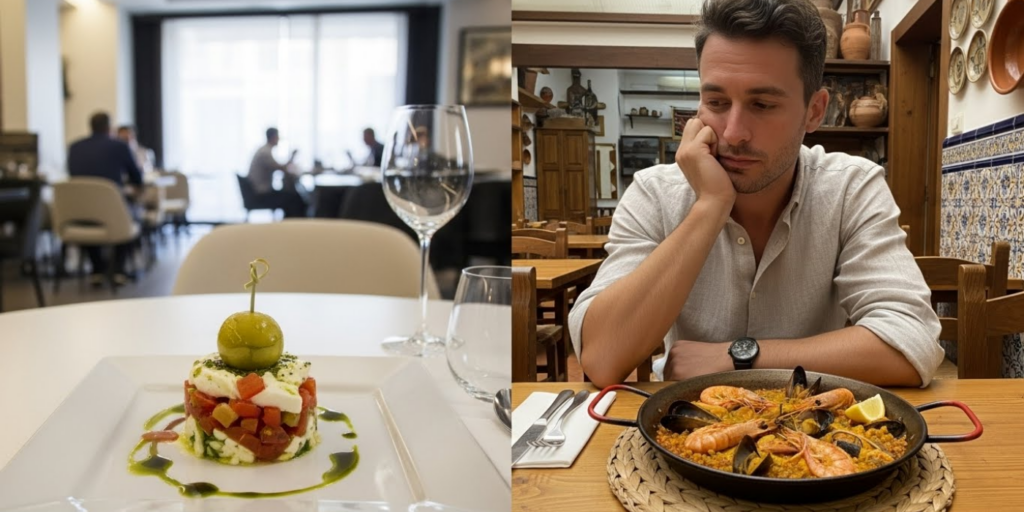
Sometimes, the most exciting food comes from innovative chefs honoring their roots while pushing boundaries. A Korean-Mexican taco truck in LA might not be “traditional,” but if it’s made by a Korean-American chef using gochujang from their mom’s recipe, it’s deeply authentic to their experience.
So don’t dismiss fusion outright—just ask: Who’s telling the story? And are they part of the culture they’re drawing from?
This mindset opens you up to modern authenticity, where food becomes a living conversation between past and present.
Conclusion: Eat with Curiosity, Not Just Hunger
Finding authentic restaurants isn’t about ticking off a checklist—it’s about approaching food with humility, curiosity, and respect. It’s about listening more than you speak, observing more than you photograph, and savoring not just the flavors, but the stories behind them.
The strategies in this guide—steering clear of tourist zones, reading menus like a detective, using reviews critically, and talking to locals—will lead you to meals that nourish your body and your understanding of the world. And often, those meals come with unexpected gifts: a chef’s smile, a shared table, a new word in a foreign language.
So next time you’re in a new city, resist the neon-lit lure of the obvious. Walk a little farther. Ask a kind question. Take a chance on the tiny place with the handwritten sign.
Because the best meals aren’t just eaten—they’re discovered.
What’s the most authentic meal you’ve ever had—and how did you find it? Share your story in the comments below! Your tip might lead another traveler to their next unforgettable bite.

James Anderson is a passionate enthusiast of travel, fine dining, financial freedom, and personal performance. Always seeking new experiences and challenges, he believes in living life fully while continuously improving himself. For James, exploring new destinations, savoring unique culinary experiences, and striving for independence are not just hobbies—they are a lifestyle built on curiosity, growth, and the pursuit of excellence.