Introduction
There’s nothing quite like biting into a steaming bowl of street pad thai in Bangkok, savoring fresh mozzarella in Naples, or trying spicy jerk chicken at a beachside stall in Jamaica. Food is one of the most thrilling—and delicious—ways to connect with a new culture. But for many travelers, that excitement comes with a side of anxiety: What if I get sick?
Traveler’s diarrhea affects an estimated 40 to 60 million people annually, according to the CDC, and while it’s often mild, it can derail even the best-planned trips. The good news? With a few smart strategies, you can enjoy local cuisine safely without missing out on authentic flavors.
In this guide, we’ll share practical, field-tested tips for dining safely abroad—covering everything from choosing the right street vendor to understanding local water risks and reading hygiene cues like a pro. You’ll learn how to protect your stomach while still embracing the culinary adventure that makes travel so memorable.
Because eating like a local shouldn’t mean feeling like a patient. Let’s help you savor every bite—with confidence.
1. Trust the Crowds (and the Cooks)
One of the simplest, most reliable rules for safe dining abroad? Follow the locals. If a food stall or small restaurant is packed with residents—especially at lunchtime—you’ve likely found a winner.
Why? Local customers return only if the food is both tasty and consistently safe. Street vendors who prepare food in high volume turn over ingredients quickly, meaning fresher produce, meat, and seafood. Plus, busy grills and hot surfaces kill bacteria more effectively than lukewarm or rarely used equipment.
What to look for:
- Steam rising from the food—a sign it’s freshly cooked and hot.
- Short menus—specialization often means better quality control.
- Vendors who handle money and food separately (or use tongs/gloves).
On the flip side, avoid places that look empty during peak meal hours or where food sits uncovered for long periods. That “quiet” restaurant might seem peaceful—but it could also mean unreliable turnover.
Pro tip: In many countries, lunch is the main meal of the day. Eat when locals do—typically between 12–2 p.m.—for the freshest offerings.
Travel blogger Maria Chen learned this the hard way in Morocco: “I skipped the bustling tagine stand in the medina for a ‘quiet’ rooftop café. My stomach paid for it that night. Now? I go where the families go.”
2. Understand the Water (and Ice) Rule
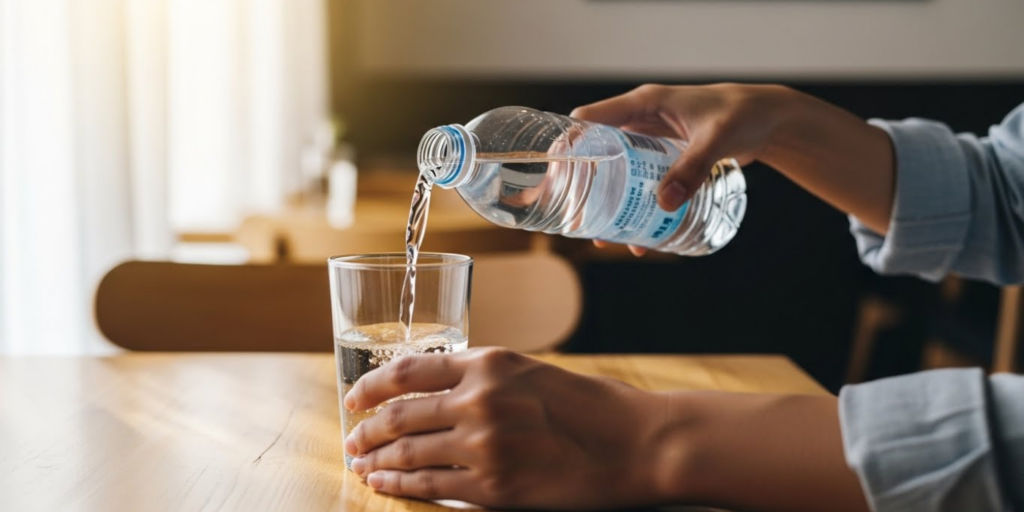
In many parts of the world—especially in Southeast Asia, Latin America, Africa, and parts of the Caribbean—tap water isn’t safe to drink. But the risk goes beyond just sipping from the faucet.
Hidden water dangers include:
- Ice cubes (often made from tap water)
- Unwashed fruits and vegetables (rinsed in local water)
- Salads (unless from a high-end hotel with purified systems)
- Smoothies or fresh juices from street vendors
Safe alternatives:
- Drink bottled or sealed beverages (check the cap for tampering).
- Use purified or boiled water for brushing teeth.
- Choose hot beverages like coffee or tea—boiling kills most pathogens.
- Carry water purification tablets or a portable filter (like LifeStraw) for hikes or rural areas.
Important: “Bottled” doesn’t always mean safe. In some regions, bottles are refilled with tap water and resealed. Stick to reputable brands and carbonated drinks (fizz = factory-sealed).
Bonus tip: Wipe the bottle’s mouth before drinking, and avoid letting the rim touch your lips if you’re unsure.
As Dr. Alan Foster, a travel medicine specialist, puts it: “If it’s wet and you didn’t boil it, cook it, or peel it yourself—think twice.”
3. Master the “Peel It, Boil It, Cook It, or Forget It” Rule
This classic traveler’s mantra, promoted by the CDC, remains one of the most effective food safety guidelines for international dining.
Break it down:
- Peel it: Bananas, oranges, mangoes—fruits you can peel yourself are generally safe.
- Boil it: Soups, teas, and stews served piping hot are low-risk.
- Cook it: Meat, seafood, and eggs should be thoroughly cooked—no pink centers or runny yolks.
- Forget it: Raw salads, ceviche (unless from a trusted source), unpasteurized dairy, and buffet items sitting at room temperature.
Be especially cautious with:
- Buffets: Food that’s been sitting out for hours can harbor bacteria.
- Dairy: In many countries, milk isn’t pasteurized. Skip soft cheeses, yogurt, and milk-based desserts unless you’re in a reputable establishment.
- Seafood: Only eat it in coastal areas where it’s freshly caught—and ensure it’s cooked through.
Real-world hack: If you’re craving a salad, ask if they can make one with peeled cucumbers, tomatoes, and boiled eggs—a common compromise in mid-range restaurants.
Remember, your goal isn’t to avoid all local food—it’s to choose wisely so you can enjoy more meals, not fewer.
4. Pack a Travel Health Kit (Including Probiotics)
Even the most cautious travelers can run into stomach trouble. That’s why a well-stocked travel health kit is essential.
Must-have items:
- Oral rehydration salts (like DripDrop or WHO packets)—critical for replacing electrolytes lost to diarrhea.
- Loperamide (Imodium)—for temporary symptom relief (but don’t use if you have a fever or bloody stool).
- Bismuth subsalicylate (Pepto-Bismol)—can help prevent and treat mild traveler’s diarrhea.
- Probiotics—studies show strains like Lactobacillus rhamnosus GG and Saccharomyces boulardii may reduce diarrhea risk by up to 50% when taken before and during travel.
- Hand sanitizer (60%+ alcohol)—use before eating, especially when soap and water aren’t available.
When to see a doctor:
Seek medical help if you experience:
- High fever
- Blood in stool
- Signs of dehydration (dizziness, dark urine, dry mouth)
- Symptoms lasting more than 3 days
Pro tip: Start taking probiotics 2–3 days before your trip and continue throughout your stay. Many frequent travelers swear by them.
Travel nurse Elena Rodriguez shares: “I’ve eaten street food in 30+ countries. My secret? Hand sanitizer, probiotics, and never skipping breakfast at a clean hotel if I’m heading to a rural market.”
5. Read the Room: Nonverbal Hygiene Cues

You don’t need a food safety degree to spot red flags. Trust your senses—they’re powerful tools.
Look for:
- Clean floors and surfaces—if the dining area is filthy, the kitchen likely is too.
- Staff washing hands or using gloves/tongs.
- Food covered from flies and dust (common in tropical climates).
- Fresh smells—avoid stalls with sour, rancid, or overly fishy odors.
Also notice:
- Are plates washed and dried properly? Pools of water or grimy cloths are warning signs.
- Is there a clear separation between raw and cooked foods? Cross-contamination is a major cause of illness.
Cultural note: In some countries, kitchens are out of sight—but that doesn’t mean they’re unsafe. A clean eating area, fresh ingredients, and high turnover often compensate.
If something feels “off,” trust your gut—literally. It’s better to walk away than risk a night of discomfort.
Bonus: Know Regional Risks (Not All Countries Are Equal)
Food safety risks vary widely by destination. For example:
- In Japan or Singapore, street food is often safer than in many U.S. cities—thanks to strict hygiene laws.
- In Mexico or India, raw vegetables and tap water pose higher risks, but hot, freshly made tacos or curries are usually fine.
- In Thailand, choose stalls that cook food to order in front of you—avoid pre-made noodle bowls sitting in the sun.
Before you go, check the CDC’s Travelers’ Health site or your government’s travel advisory for country-specific food and water guidance.
Conclusion
Dining safely abroad isn’t about fear—it’s about informed curiosity. By following local crowds, respecting water rules, choosing wisely cooked foods, packing smart, and tuning into your surroundings, you can indulge in the world’s incredible cuisines without compromising your health.
After all, food is a gateway to culture, connection, and joy. The goal isn’t to eat like a tourist in a bubble—it’s to eat like a respectful, prepared traveler who gets to enjoy more meals, more flavors, and more memories.
So go ahead—try that spicy street stew, sip that fresh coconut, and savor the local bread. Just do it with your eyes (and your hand sanitizer) open.
We’d love to hear from you!
What’s the most delicious local dish you’ve safely enjoyed abroad? Do you have a go-to food safety tip that’s never failed you? Share your stories and strategies in the comments below—and if you know a fellow food-loving traveler, send them this guide. Bon appétit and safe travels! 🌍🍴

James Anderson is a passionate enthusiast of travel, fine dining, financial freedom, and personal performance. Always seeking new experiences and challenges, he believes in living life fully while continuously improving himself. For James, exploring new destinations, savoring unique culinary experiences, and striving for independence are not just hobbies—they are a lifestyle built on curiosity, growth, and the pursuit of excellence.