
Introduction
Travel isn’t just about ticking off destinations—it’s about collecting moments that shift how you see the world. The kind of experiences that stay with you long after your suitcase is unpacked: sharing a meal with a family in a remote village, watching the sunrise over an ancient temple, or feeling utterly small beneath a glacier’s blue glow.
While Instagram may glorify perfect sunsets and luxury resorts, the most transformative travel moments are often raw, real, and deeply human.
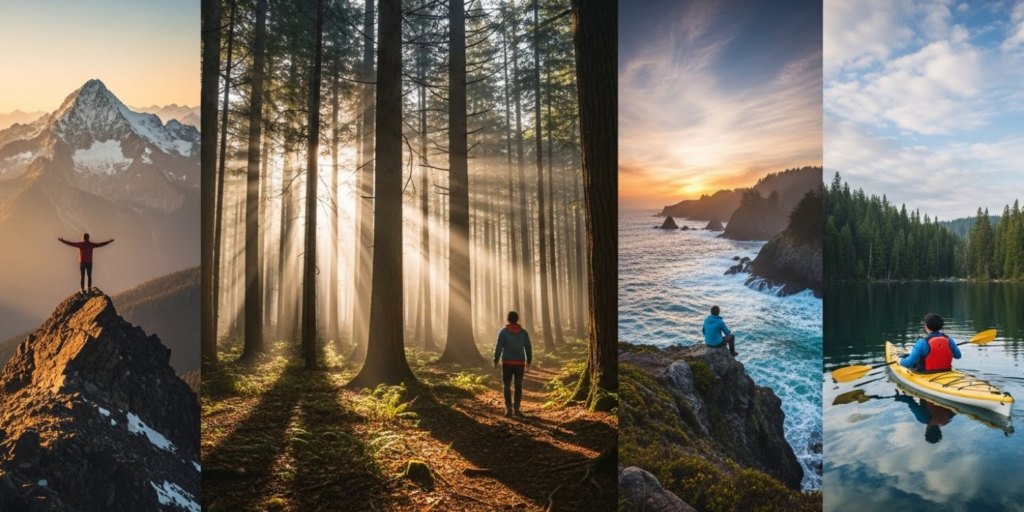
In this guide, we’ll explore seven unforgettable travel experiences that go beyond sightseeing to spark connection, awe, and personal growth. These aren’t just “bucket list” items—they’re immersive journeys that challenge your comfort zone, deepen your empathy, and remind you why you fell in love with exploring in the first place.
From sleeping under desert stars to learning traditional crafts from local artisans, each experience is accessible to curious travelers of all budgets and backgrounds. So whether you’re planning your next big trip or just daydreaming for now, let this list inspire you to travel not just farther—but deeper.
1. Stay with a Local Family (Not Just in a Hotel)
There’s a world of difference between observing a culture and living within it—even briefly. Homestays offer a rare window into daily life, traditions, and unfiltered local perspectives that no tour bus can provide.
Imagine sipping mint tea in a Moroccan riad while your host shows you how to roll couscous by hand. Or helping a Thai family harvest rice in the early morning mist. These aren’t performances for tourists—they’re genuine exchanges built on hospitality and curiosity.
Why it matters:
Homestays foster cross-cultural understanding and directly support local economies. You’re not just a guest—you’re a temporary member of the community.
How to do it responsibly:
- Use trusted platforms like Homestay.com, Workaway, or local NGOs that partner with families.
- Approach with humility: learn basic greetings, respect house rules, and never treat your hosts as “servants.”
- Bring a small gift from your home country—it’s a thoughtful gesture that opens doors.
Real impact:
After staying with a Quechua family in Peru’s Sacred Valley, traveler Lena didn’t just see Machu Picchu—she understood its spiritual significance through her host grandmother’s stories. That context made the ruins feel alive.
Tip: Even in big cities, look for family-run guesthouses or “cultural exchange” stays. The connection matters more than the remoteness.
2. Witness a Natural Wonder at Sunrise (or Sunset)
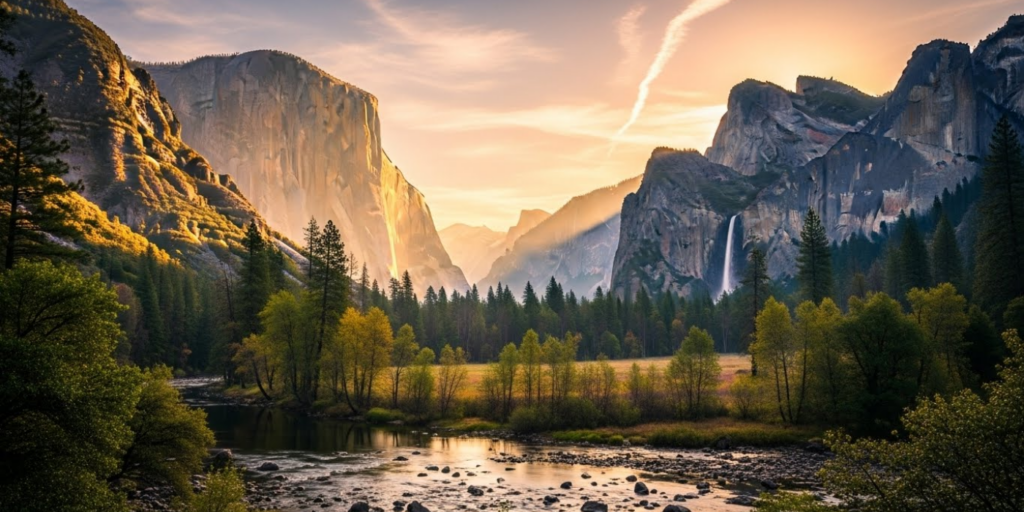
Natural wonders are powerful—but timing transforms them from impressive to transcendent. Sunrise or sunset light doesn’t just make photos glow; it creates a sense of solitude and reverence that midday crowds can’t touch.
Picture standing alone at the edge of the Grand Canyon as golden light spills into the abyss. Or watching mist rise off Angkor Wat as the first rays hit its towers. In those quiet moments, you’re not just a spectator—you’re part of something ancient and immense.
Why go early?
- Fewer people = more introspection
- Soft light reveals textures and colors missed in harsh daylight
- Many sacred sites (like Uluru or Haleakalā) hold spiritual significance at dawn
Pro tip:
Research the exact sunrise time and arrive at least 30 minutes early. Bring a light jacket, water, and silence your phone—this is your meditation.
Bonus: Some experiences—like bioluminescent bays in Puerto Rico or the Northern Lights in Iceland—are only visible in darkness. Embrace the night.
3. Take a Journey by Train Through Stunning Landscapes
In a world of rushed flights and highways, train travel is a radical act of slowing down. It invites you to savor the journey as much as the destination.
Few things compare to the romance of watching snow-capped Alps glide past your window on the Glacier Express, or tracing Vietnam’s coastline on the Reunification Express as fishing villages blur into jungle.
Why trains win:
- Large windows = panoramic views
- No security lines or baggage claim
- Freedom to walk, eat, and socialize while moving
Top scenic rail routes worth the splurge:
- Rocky Mountaineer (Canada): Glacier-fed rivers and bear sightings
- Trans-Siberian Railway (Russia): 6,000 miles of taiga, lakes, and steppes
- Blue Train (South Africa): Luxury through savannas and diamond country
Budget-friendly alternative:
Even regional trains offer magic. A $15 ticket on Portugal’s Douro Line takes you through terraced vineyards and river gorges.
Remember: Book window seats in advance, pack snacks, and leave your itinerary flexible. Sometimes the best stories happen between stops.
4. Learn a Traditional Craft or Skill from a Local Artisan
Travel becomes meaningful when you create something with your hands—not just consume with your eyes.
Signing up for a workshop—whether it’s weaving in Oaxaca, pottery in Kyoto, or cooking in Tuscany—connects you to centuries of heritage. You’re not just buying a souvenir; you’re preserving a tradition.
Benefits beyond the craft:
- Deepens respect for local knowledge
- Builds bridges across language barriers (hands speak universally)
- Gives you a story—and a skill—to take home
How to find authentic experiences:
- Avoid mass-tourism “demos” where you just watch. Look for hands-on classes with small groups.
- Platforms like EatWith, Cookly, or local cultural centers often list vetted workshops.
- Ask your hostel or guide for personal recommendations—they know the best artisans.
Real example:
In Kyoto, Mark spent a morning with a 70-year-old washi (Japanese paper) master. He left with paper he’d made himself—and a new appreciation for patience, precision, and the beauty of imperfection (wabi-sabi).
Even better: Choose crafts that are endangered. Your participation helps keep them alive.
5. Go on a Silent Hike or Nature Retreat

In our hyper-connected world, true silence has become rare—and revolutionary. Spending time alone in nature without distractions isn’t just peaceful; it’s clarifying.
Whether it’s a solo hike in Patagonia’s Torres del Paine, a meditation retreat in Bali, or simply walking without headphones through a redwood forest, silence recalibrates your senses.
What you gain:
- Mental clarity and reduced anxiety
- Heightened awareness of birdsong, wind, and your own footsteps
- A chance to reflect without external noise
Start small:
You don’t need a week-long retreat. Try a 2-hour silent walk in a national park or coastal trail. Leave your phone in your bag (or on airplane mode). Focus on your breath and surroundings.
Guided option:
Many eco-lodges and wellness centers offer silent walking meditations—a gentle intro if you’re new to the practice.
Remember: Silence isn’t emptiness—it’s space for your inner voice to be heard.
6. Attend a Local Festival or Ceremony
Festivals are the heartbeat of a culture—where music, food, faith, and community collide in vibrant celebration.
From the explosive colors of Holi in India to the haunting masks of Venice Carnival, or the rhythmic drumming of Rio’s Carnival, festivals reveal a place’s soul in ways museums cannot.
Why festivals transform travel:
- They’re participatory, not performative
- You witness joy, devotion, or resilience in real time
- Shared emotion creates instant human connection
How to attend respectfully:
- Research the meaning behind the event—never treat it as a photo op.
- Dress modestly if required (e.g., cover shoulders at religious festivals).
- Ask before taking photos of people—especially during sacred moments.
Pro tip: Smaller local festivals (like a village harvest celebration or a neighborhood saint’s day) often offer more authenticity than massive tourist draws.
Unforgettable moment:
At Thailand’s Yi Peng lantern festival, traveler Aisha released a khom loi (sky lantern) with a local family. As hundreds floated into the night sky, she didn’t feel like a tourist—she felt like part of a shared prayer.
7. Volunteer Meaningfully (Without “Voluntourism” Pitfalls)
Giving back while traveling can be deeply rewarding—but only if done ethically and sustainably.
True volunteer travel isn’t about “saving” anyone; it’s about collaborating on projects that locals have identified as needed—like reforestation, wildlife conservation, or teaching English to adults (not children, which often does more harm than good).
Red flags to avoid:
- Orphanage volunteering (it fuels child trafficking)
- Programs that require no skills or training
- Projects where locals could do the work but are excluded
Better alternatives:
- WWOOFing: Help on organic farms in exchange for food and lodging
- Conservation Corps: Assist with sea turtle monitoring or trail maintenance
- Skill-based volunteering: Offer your profession (graphic design, carpentry, nursing) through organizations like Moving Worlds
Key question to ask:
“Is this project led by the local community, and would it continue without foreign volunteers?”
When done right, volunteering creates mutual respect—not dependency.
Conclusion: Collect Moments, Not Milestones
The best travel experiences don’t just fill your camera roll—they fill your spirit. They humble you, connect you, and remind you that the world is vast, varied, and full of kindness.
We’ve explored staying with locals, embracing silence, learning from artisans, riding legendary trains, witnessing natural wonders, celebrating festivals, and volunteering with integrity. Each of these experiences invites you to move beyond the surface and engage with the world in a more human way.
You don’t need a huge budget or months of time. Sometimes, the most powerful moments happen on a quiet morning walk or over a shared meal. What matters is presence, respect, and openness.
So as you plan your next adventure, ask yourself: Do I want to see the world—or be changed by it?
Now we’d love to hear from you: Which of these experiences have you tried—or dreamed of trying? Do you have a travel moment that shifted your perspective? Share your story in the comments below! And if this list inspired you, pass it on to a fellow explorer who believes travel is about transformation, not just tourism. The world is waiting—go meet it with your whole heart.

James Anderson is a passionate enthusiast of travel, fine dining, financial freedom, and personal performance. Always seeking new experiences and challenges, he believes in living life fully while continuously improving himself. For James, exploring new destinations, savoring unique culinary experiences, and striving for independence are not just hobbies—they are a lifestyle built on curiosity, growth, and the pursuit of excellence.