
Introduction
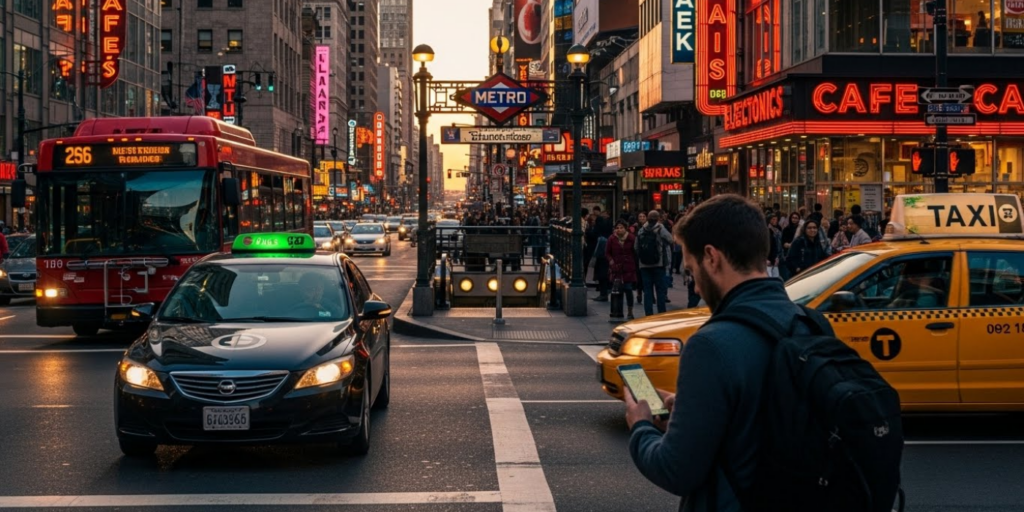
You’ve just landed in a bustling metropolis—New York, Tokyo, London, or São Paulo—and the energy is electric. But within minutes, that excitement turns to overwhelm as you face a maze of subway lines, honking taxis, and crowds moving faster than you can process. How do locals zip through this chaos with calm confidence? The secret isn’t magic—it’s knowing the right tools, routes, and rhythms of the city.
Navigating a large city doesn’t have to mean stress, missed connections, or draining your wallet. In fact, with the right strategies, getting around can be efficient, affordable, and even part of the adventure. Whether you’re a tourist, a new resident, or a frequent business traveler, mastering urban mobility unlocks freedom, saves time, and deepens your connection to the place you’re in.
In this guide, we’ll break down the best, most practical ways to get around large cities easily. You’ll learn how to use public transit like a pro, when ride-sharing makes sense (and when it doesn’t), how walking or biking can be smarter than you think, and why planning ahead pays off big time. No jargon, no fluff—just real-world tips that work in cities around the world. Ready to move like a local? Let’s go.
Master Public Transit: The Backbone of Urban Mobility
In most major cities, public transportation is the fastest, cheapest, and most eco-friendly way to get around—if you know how to use it.
Subways, buses, trams, and commuter trains move millions daily for a fraction of the cost of taxis or rideshares. In New York, a single subway ride costs $2.90; in London, an off-peak Tube ride is about £2.50 with an Oyster card. Compare that to a $30–50 Uber across town!
How to navigate like a pro:
- Download the official transit app (e.g., Citymapper, Moovit, or the city’s own app like NYC’s MYmta or Tokyo’s Japan Transit Planner). These show real-time arrivals, service changes, and step-by-step directions.
- Get a reloadable transit card (like London’s Oyster, Paris’s Navigo, or Chicago’s Ventra). They’re faster than fumbling with cash and often offer fare caps—once you hit a daily or weekly limit, rides are free.
- Learn key landmarks and transfer points. You don’t need to memorize every line—just know the main hubs near your hotel or destination.
- Avoid rush hour (7–9 a.m. and 5–7 p.m.) if possible. Trains are packed, delays are common, and stress levels soar.
Pro tip: Stand to the right on escalators (left for walking) in cities like London or Tokyo—it’s an unwritten rule that keeps traffic flowing.
Public transit also lets you see the city like a local. You’ll overhear conversations, spot street art, and stumble upon neighborhoods you’d never find from a car window. Plus, you’ll reduce your carbon footprint—win-win.
Ride-Sharing and Taxis: When to Use (and When to Skip)
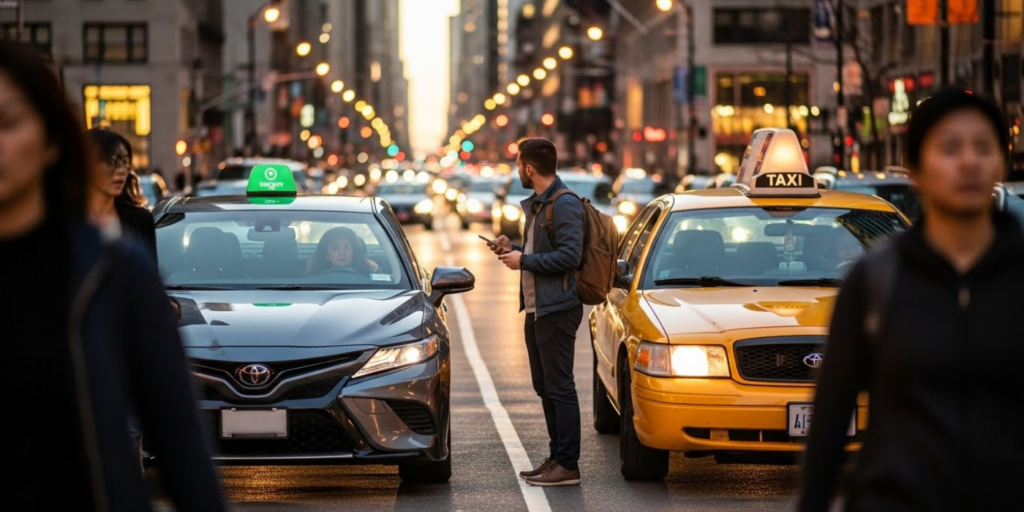
Ride-sharing apps like Uber, Lyft, Bolt, or DiDi offer convenience—but they’re not always the smartest choice in big cities.
Use them when:
- You’re traveling late at night (when transit is limited)
- You have heavy luggage or mobility needs
- You’re heading to a location with poor transit access (e.g., an airport or industrial area)
- You’re in a group of 3–4 people—splitting the fare can be cost-effective
Avoid them when:
- Rush hour = surge pricing and gridlock. That 10-minute ride could take 45 minutes and cost three times as much.
- Public transit is direct. In cities like Berlin or Seoul, the subway is faster than cars during peak times.
- You’re short on cash. A week of transit passes often costs less than one cross-town Uber.
Smart habits:
- Always compare upfront pricing in the app before confirming.
- In some cities (like Mexico City or Bangkok), licensed taxis with meters are safer and cheaper than unmarked cars.
- Use shared rides (UberPool, Lyft Shared) for shorter trips—though be prepared for detours.
Remember: ride-sharing is a tool, not a default. Use it strategically, and you’ll save money and avoid frustration.
Walk or Bike: The Underrated Superpowers of City Travel
In dense urban cores, walking or biking is often the fastest way to cover short to medium distances—especially under 2 miles.
Consider this: in Manhattan, walking 10 blocks (about half a mile) can take 10 minutes. Hailing a cab? Finding parking? Could take 20. Plus, you’ll burn calories, reduce emissions, and notice details you’d miss in a vehicle.
Walking tips:
- Wear comfortable shoes (non-negotiable!)
- Use pedestrian apps like Google Maps’ walking mode—it avoids highways and suggests scenic routes
- Stay aware of your surroundings, especially in unfamiliar areas
Biking options:
Most major cities now offer bike-share programs (Citi Bike in NYC, Santander Cycles in London, Vélib’ in Paris). They’re affordable ($1–3 for 30 minutes) and eco-friendly. Many also have protected bike lanes, making cycling safer than ever.
E-bikes and scooters (Lime, Bird, Bolt) add speed for hills or longer distances—but always check local laws and wear a helmet. Some cities ban scooters on sidewalks or in certain districts.
Bonus: Walking or biking lets you discover hidden gems—a tiny bookstore, a mural-lined alley, a bakery with the best croissants. City magic lives between the main attractions.
Plan Ahead and Use Tech Wisely
The difference between a smooth journey and a stressful one often comes down to 10 minutes of planning.
Before you go:
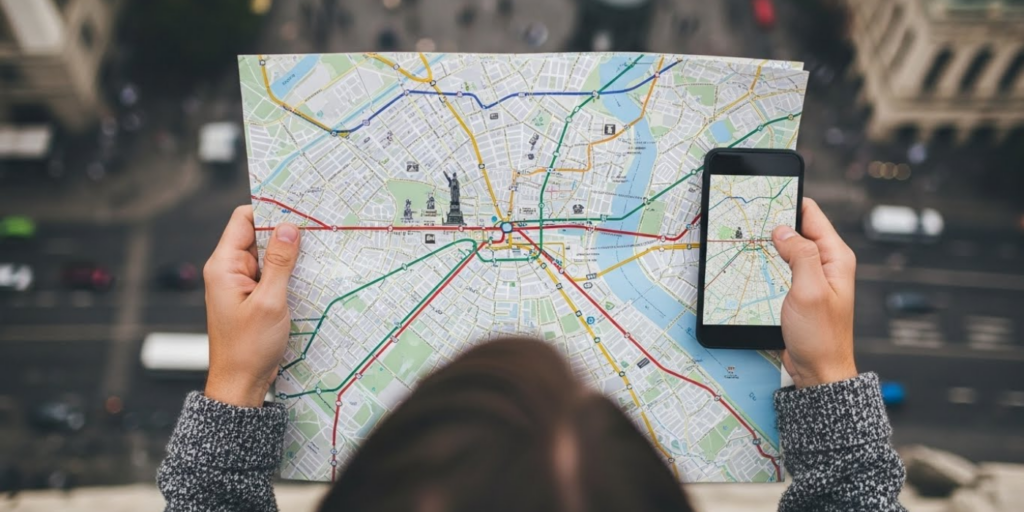
- Study a map of the area. Note transit lines, major streets, and key landmarks.
- Download offline maps (Google Maps or Maps.me work great). You’ll still get directions without data.
- Save addresses in local format. In Tokyo, “Shibuya Scramble Crossing” won’t help a taxi driver—but the building name or postal code will.
While you’re out:
- Use real-time transit alerts for delays or cancellations.
- Enable “transit-friendly” routing in navigation apps—it prioritizes walking to the nearest station over driving.
- Charge your phone (or carry a power bank). A dead phone = lost in translation.
Language tip: Save key phrases like “Where is the subway?” or “How much is the fare?” in the local language. Even a clumsy attempt shows respect and often sparks kindness.
Also, observe locals. Which entrance do they use? Do they tap a card or buy tickets? Mimicking behavior is a powerful (and free) navigation hack.
Understand the City’s Rhythm and Layout
Cities have personalities—and rhythms. Learning them gives you an edge.
- Grid cities (like Chicago or Barcelona) are easy to navigate—streets run in predictable lines.
- Organic cities (like Rome or Boston) have winding alleys and odd angles. Lean on landmarks, not street names.
- Zoned cities (like Dubai or Los Angeles) group functions (business, residential, entertainment). Know which zone you’re in to avoid long cross-town trips.
Also, timing matters:
- In Paris, many small shops close for lunch (12–2 p.m.).
- In Madrid, dinner starts at 9 p.m.—so public transit stays busy later.
- In Seoul, subways run until midnight, but night buses (Owl Buses) cover gaps.
Pro insight: The best way to “learn” a city is to take a short loop on a circular transit line (like London’s Circle Line or Tokyo’s Yamanote Line). You’ll see major districts in under an hour—and build mental geography.
Safety, Etiquette, and Mindful Travel
Getting around easily also means traveling respectfully and safely.
Safety tips:
- Keep valuables hidden (use crossbody bags, not back pockets)
- Avoid looking at maps while standing still in crowded areas—step into a café or doorway
- Trust your gut. If a situation feels off, leave
Etiquette matters:
- Don’t block doorways on trains or sidewalks
- Offer seats to elderly, pregnant, or disabled riders
- Keep noise down—earbuds in, phone calls brief
- In some cultures (like Japan), no eating or drinking on transit is the norm
Being courteous isn’t just polite—it makes the system work better for everyone. And when you blend in, you’ll feel less like a tourist and more like part of the city’s pulse.
Conclusion
Getting around a large city doesn’t require insider status or a bottomless budget. With the right mix of public transit savvy, strategic ride-sharing, active travel, and smart planning, you can move through urban landscapes with confidence, efficiency, and even joy. The key is to adapt to the city’s flow—not fight against it.
Whether you’re commuting to a meeting, exploring museums, or chasing sunset views, these strategies will save you time, money, and stress. More importantly, they’ll help you engage with the city on its own terms—observing, connecting, and discovering along the way.
So next time you’re in a big city, resist the urge to default to a rideshare. Try the subway. Walk that extra block. Rent a bike. You might just find that the journey becomes as memorable as the destination.
What’s your go-to way to navigate a new city? Have you had a “lightbulb moment” that changed how you travel urban spaces? Share your tips in the comments—we’re all learning from each other! And if this guide helped you feel more empowered, pass it along to a friend who’s about to dive into their next city adventure. Happy (and easy) travels!

James Anderson is a passionate enthusiast of travel, fine dining, financial freedom, and personal performance. Always seeking new experiences and challenges, he believes in living life fully while continuously improving himself. For James, exploring new destinations, savoring unique culinary experiences, and striving for independence are not just hobbies—they are a lifestyle built on curiosity, growth, and the pursuit of excellence.