Introduction
Imagine arriving in a new country after a long flight, excited to start your adventure—only to find your “charming budget hostel” is in a dimly lit alley with no lock on the front door, strange noises at night, and zero staff after 8 p.m. Suddenly, that $20/night deal doesn’t feel like a win.
Your lodging isn’t just a place to sleep—it’s your home base, your safe haven, and often your first impression of a destination. When you’re traveling abroad, safety should always come before savings or aesthetics.
The good news? You don’t need to stay in a five-star fortress to be safe. With the right research and a few smart habits, you can find accommodations that are secure, clean, well-located, and respectful of your peace of mind—whether you’re on a backpacker’s budget or treating yourself to a boutique hotel.
In this guide, we’ll walk you through practical, battle-tested tips to help you choose safe lodging anywhere in the world. From reading between the lines in reviews to evaluating neighborhood safety and verifying security features, you’ll learn how to book with confidence—so you can focus on exploring, not worrying.
1. Research the Neighborhood—Not Just the Property
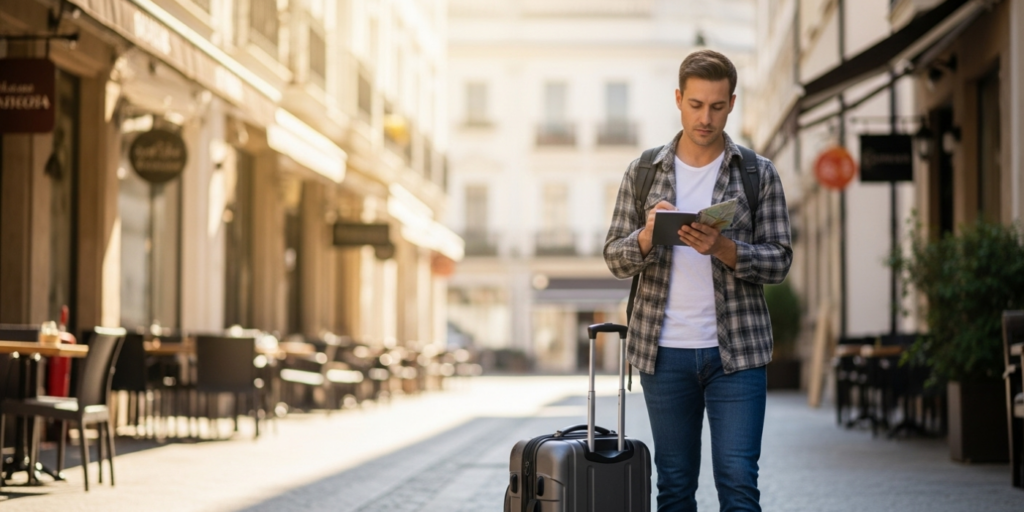
A beautiful hotel in a sketchy area can quickly turn your dream trip into a stressful experience. That’s why location is your first line of defense when choosing safe lodging abroad.
Start by checking the general safety of the city or region using reliable sources like:
- Your government’s travel advisory site (e.g., the U.S. Department of State or UK Foreign Office)
- Trusted travel forums like Reddit’s r/solotravel or Thorn Tree (Lonely Planet)
- Local news outlets for recent incidents
Then, zoom in. Use Google Maps’ Street View to “walk” around the property. Look for:
- Well-lit streets
- Active storefronts or cafes (signs of foot traffic)
- Clean sidewalks and maintained buildings
Avoid areas near:
- Known red-light districts
- Abandoned lots or industrial zones
- Isolated roads far from public transit
Pro tip: Search “[City] + safest neighborhoods for tourists” or “[City] + areas to avoid.” Local bloggers or expat guides often share honest insights big travel sites won’t.
For example, in Bangkok, staying near Sukhumvit or Silom is generally safe and convenient, while parts of Khaosan Road—though popular with backpackers—can be crowded and prone to petty theft at night.
Remember: a slightly more expensive room in a safe, central area is almost always worth it. You’ll save on transportation, reduce nighttime anxiety, and enjoy your trip more fully.
2. Read Reviews Like a Detective—Not a Scroller
Online reviews are your secret weapon—but only if you know how to read them critically. Don’t just glance at the average rating. Dig deeper into recent, detailed guest experiences, especially those mentioning safety, cleanliness, or staff behavior.
On platforms like Booking.com, Google Reviews, or TripAdvisor:
- Sort by “lowest rating” first to spot red flags fast.
- Search keywords like “safe,” “lock,” “security,” “night,” or “scared.”
- Look for recurring issues: “front door broken,” “strangers wandering halls,” or “no staff after dark.”
Pay special attention to reviews from solo travelers or women, as they often highlight safety concerns others might overlook.
Example: One traveler skipped a highly rated Lisbon guesthouse after noticing three recent reviews mentioning “men loitering outside at night” and “no intercom system.” She chose a slightly pricier option with 24/7 reception—and slept soundly.
Also, check how the property responds to negative feedback. A professional, empathetic reply (“We’ve since installed new locks and added night staff”) shows responsibility. Silence or defensiveness? Proceed with caution.
Pro tip: Avoid places with very few reviews (under 20) or a sudden spike in 5-star ratings—this can signal fake reviews.
3. Verify Security Features Before Booking
Not all locks are created equal—and not all “secure” properties actually are. Before confirming your reservation, confirm these essential safety features:
- 24/7 front desk or reception: Critical for late arrivals and emergencies.
- In-room safe: For passports, cash, and electronics.
- Secure room locks (not just a basic latch)—preferably with a deadbolt or digital keypad.
- Keycard or coded entry for building and room access (not a physical key that can be copied).
- Well-lit hallways, stairwells, and entrances.
- Security cameras in common areas (a deterrent to theft).
If you’re staying in a hostel:
- Are dorm rooms gender-segregated (if that matters to you)?
- Do beds have personal lockers that fit a laptop?
- Is there luggage storage with surveillance?
Don’t assume—email or call the property directly to ask. A legitimate, safety-conscious host will happily answer.
For example, a solo female traveler in Mexico City called a boutique hotel to ask, “Do you have security staff at night?” The answer (“Yes, plus CCTV and gated entry”) gave her peace of mind no photo gallery could.
Bonus: If booking through Airbnb or Vrbo, look for listings with “Verified” badges, professional photos, and hosts who respond quickly. Avoid entire apartments on ground floors with street-facing windows and no blinds.
4. Trust Your Gut—and Use Real-Time Tools
Sometimes, logic isn’t enough—your intuition matters. If a listing feels “off” (blurry photos, vague description, too-good-to-be-true pricing), listen to that inner voice. Scammers often prey on travelers’ excitement and hurry.
Use real-time tools to validate your choice:
- Google the property name + “scam” or “complaint”.
- Check if it’s listed on multiple reputable platforms (a sign of legitimacy).
- Use WhatsApp or Messenger to chat with the host before booking—professional hosts usually respond clearly and promptly.
Also, consider booking refundable rates whenever possible. If you arrive and the place doesn’t feel safe, you can leave without losing your money.
Real-life lesson: A backpacker in Bali booked a “private villa” for $15/night. Upon arrival, she found it was a flimsy shed behind a bar with no door lock. Because she’d chosen a free-cancellation option, she walked away and found a safe guesthouse nearby—losing only an hour, not her entire trip budget.
Moreover, share your lodging details with someone back home: name, address, and check-in time. Use apps like WhatsApp, Google Maps location sharing, or TripIt to keep loved ones in the loop.
Safe travel isn’t just about avoiding danger—it’s about empowering yourself with options and support.
5. Consider the Type of Accommodation That Matches Your Needs
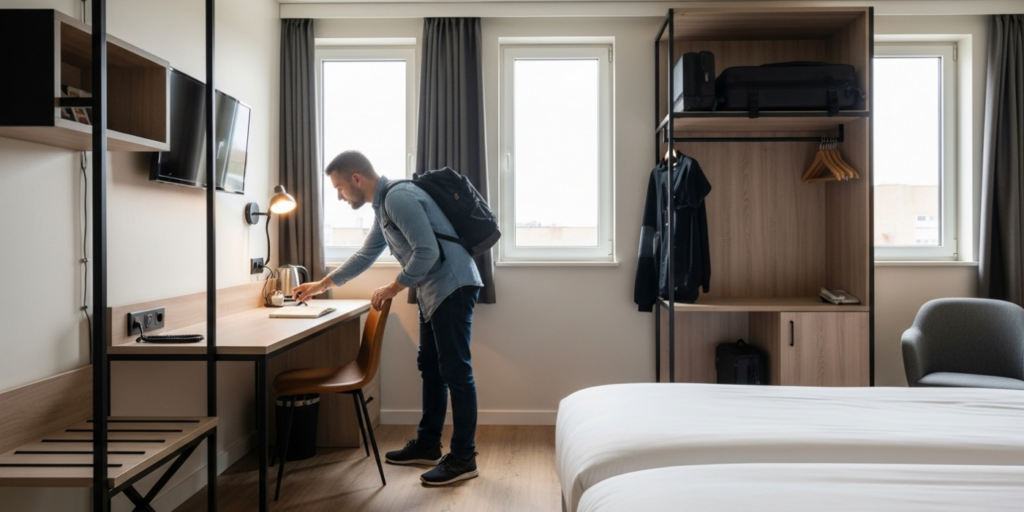
Not all lodging is equal when it comes to safety—and your travel style matters.
- Hotels with 24/7 reception are ideal for first-time travelers or solo visitors. Staff presence deters trouble and offers help anytime.
- Hostels can be safe too—but choose ones with female-only dorms, lockers, and strong online reputations (look for Hostelworld “Top Rated” badges).
- Guesthouses or family-run pensions often offer warm hospitality and neighborhood insight, but verify they have secure entry systems.
- Vacation rentals offer privacy but can lack oversight. Stick to entire units (not shared) and avoid ground-floor bedrooms in high-crime areas.
Pro tip: If you’re a solo traveler, especially a woman, prioritize properties with other solo travelers or female guests. Many hostels and hotels now highlight “solo traveler-friendly” features.
Also, think about noise and accessibility. A quiet, well-maintained property often reflects attentive management—which correlates strongly with safety.
Ultimately, the “safest” lodging is the one where you feel calm, respected, and in control—not just the one with the highest rating.
Bonus Checklist: Your Pre-Booking Safety Audit
Run through this quick list before confirming any international stay:
✅ Is the neighborhood well-reviewed for safety by recent travelers?
✅ Do multiple recent reviews mention security, staff, and nighttime safety?
✅ Does the property offer 24/7 reception or secure access?
✅ Are in-room safes, deadbolts, or digital locks confirmed?
✅ Is the booking refundable or flexible in case plans change?
✅ Have I shared my lodging details with a trusted friend or family member?
Spend five minutes on this—and you could avoid hours of stress or risk.
Conclusion
Choosing safe lodging abroad isn’t about fear—it’s about smart preparation and self-respect. You deserve to explore the world without constantly looking over your shoulder, and that starts with a secure, thoughtful place to rest.
By researching neighborhoods, reading reviews like a pro, verifying security features, trusting your instincts, and matching your lodging type to your travel style, you’ll build a foundation of safety that lets your adventure truly begin.
Remember: a little extra effort before your trip can save you from a lot of trouble during it. And peace of mind? That’s the ultimate travel luxury.
So next time you book, take that extra step. Your future self—relaxing safely after a day of unforgettable discoveries—will thank you.
What’s your go-to tip for finding safe stays abroad? Have you ever avoided a risky situation thanks to good lodging research? Share your story or advice in the comments below! And if you found this guide helpful, pass it on to a friend planning their first international trip—you might just help them travel safer and smarter. 🌍🔒🛏️

James Anderson is a passionate enthusiast of travel, fine dining, financial freedom, and personal performance. Always seeking new experiences and challenges, he believes in living life fully while continuously improving himself. For James, exploring new destinations, savoring unique culinary experiences, and striving for independence are not just hobbies—they are a lifestyle built on curiosity, growth, and the pursuit of excellence.