

Introduction
Picture this: You’re on vacation in Rome, starving after a day of exploring, and you stumble upon a charming trattoria with checkered tablecloths and the scent of garlic and basil in the air. You sit down, order a pasta, a glass of wine, and tiramisu—and the bill? Nearly $80. Suddenly, your dreamy Italian evening comes with a side of financial regret.
Sound familiar?
Dining out is one of travel’s greatest pleasures—but it can also be one of its biggest budget traps. The good news? You don’t have to choose between great food and financial peace of mind. With a little strategy, you can eat deliciously, authentically, and affordably—wherever you are.
In this guide, we’ll show you how to find restaurants that align with your budget before you sit down. You’ll learn how to read menus like a local, use free digital tools, spot hidden costs, and even time your meals for maximum value. Whether you’re on a backpacker’s budget or treating yourself to a splurge night, these tips will help you eat well—without the bill shock.
Because great food shouldn’t cost your rent.
1. Know Your Budget—Before You Open a Single App
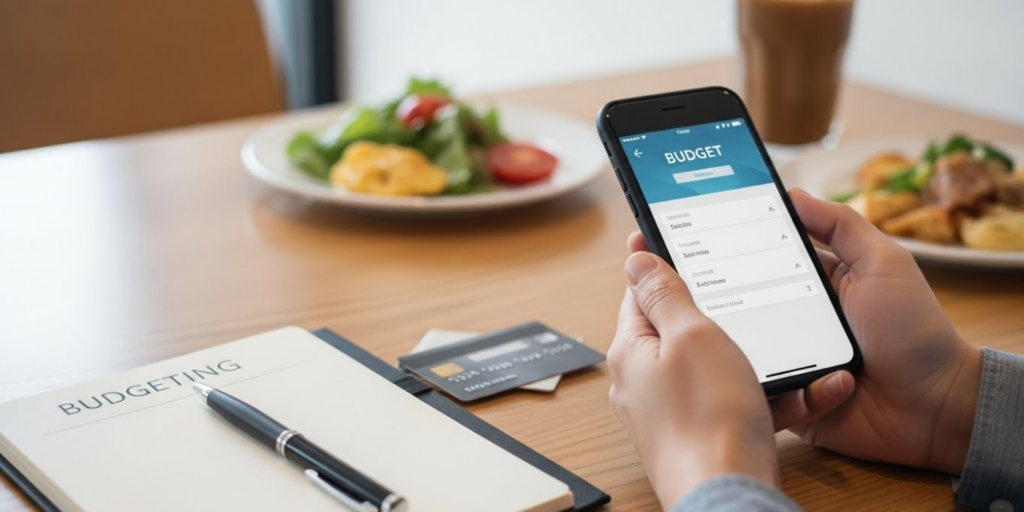
The first step to dining smart isn’t about restaurants—it’s about you.
Before you even research where to eat, decide:
- How much can I realistically spend per meal on this trip?
- Is this a “splurge” vacation or a “frugal adventure”?
- Am I paying for just myself, or for a group (kids included)?
Set daily food limits. For example:
- Budget traveler: $15–25/day
- Mid-range: $30–50/day
- Splurge: $75+/day
Pro tip: Allocate more for lunch—it’s often cheaper than dinner for the same quality. Many European restaurants offer “menu del día” or “plat du jour” specials at midday for 30–50% less than dinner prices.
Real-life example: On a trip to Barcelona, I capped my food budget at $40/day. I splurged on one dinner at a tapas bar ($35) but balanced it with a $5 bocadillo for lunch and supermarket yogurt for breakfast. Total: $40—even with a glass of cava!
Why this works: When you plan your food spending like any other line item (hotels, transport), you avoid impulse decisions that throw your whole budget off track.
2. Use the Right Tools—But Read Between the Lines
Not all restaurant review sites are created equal—and their price indicators can be misleading.
Google Maps is your best friend. Why?
- It shows real photos of menus and dishes (check recent uploads)
- Displays price labels (e.g., “$$” = moderate)
- Aggregates local reviews, not just tourist opinions
TripAdvisor can be useful—but be cautious. Tourists often rate “fancy” restaurants highly, even if they’re overpriced and inauthentic.
Better alternatives:
- TheFork (Europe): Shows real-time availability and often has discounts (up to 50% off)
- OpenTable: Offers points and sometimes free meals
- Local food blogs or Instagram accounts: Search “[City] food guide” or “[City] cheap eats”
Pro move: Look for the “Popular times” graph on Google Maps. If a place is packed at 7 p.m., it’s likely good—and if it’s quiet at lunch, you might get better service and even deals.
But remember: A “$” rating doesn’t tell the whole story. Always check actual menu prices (many restaurants post them online or on Google).
3. Learn the Local Dining Hacks
Every culture has its own unwritten rules for affordable, high-quality eating. Learn them, and you’ll eat like a local—without paying tourist prices.
In Italy: Avoid restaurants with photos of food or menus in five languages. Walk a few blocks off main squares. Look for places filled with nonnas and workers at lunch—that’s your sign.
In Japan: Conveyor belt sushi (kaiten-zushi) like Sushiro or Genki Sushi offers fresh, high-quality sushi for $2–$5 per plate. Lunch sets are also a steal.
In Mexico: Eat at fondas or comida corrida spots—fixed-price lunch menus (soup, main, drink, dessert) for $5–$8.
In France: Bakeries (boulangeries) sell savory quiches and sandwiches that make perfect, cheap lunches. Also, brasseries often have affordable “formule” lunch deals.
General rule: Lunch > dinner for value. Street food > sit-down for budget. Local markets > tourist zones for authenticity.
Personal story: In Bangkok, I skipped the fancy rooftop bars and ate at a riverside food stall recommended by my tuk-tuk driver. Pad Thai, mango sticky rice, and iced coffee—for $4. It’s still one of my best meals ever.
Key insight: The best food isn’t always in the most beautiful restaurant. Sometimes, it’s on a plastic stool next to a motorbike.
4. Read the Menu Like a Pro—Before You Sit Down
Never sit down without scanning the menu first. Most restaurants post them outside—or online.
Look for these red flags:
- No prices listed (a classic tourist trap)
- “Chef’s special” with no description (often overpriced)
- Photos of every dish (usually a sign of low quality)
Green flags:
- Daily specials written on a chalkboard
- Seasonal ingredients listed
- A short, focused menu (indicates freshness and expertise)
Check portion sizes. In the U.S., one entrée might feed two. In Spain, tapas are meant for sharing. Know the norms so you don’t over-order.
Also watch for hidden costs:
- Cover charges (common in Europe—look for “pane e coperto”)
- Service fees (automatically added in many countries)
- Bottled water markups (a $1 bottle can cost $6 in restaurants)
Smart move: Order one appetizer and one entrée to share. You’ll save money, try more dishes, and avoid food coma.
5. Time and Place Matter More Than You Think
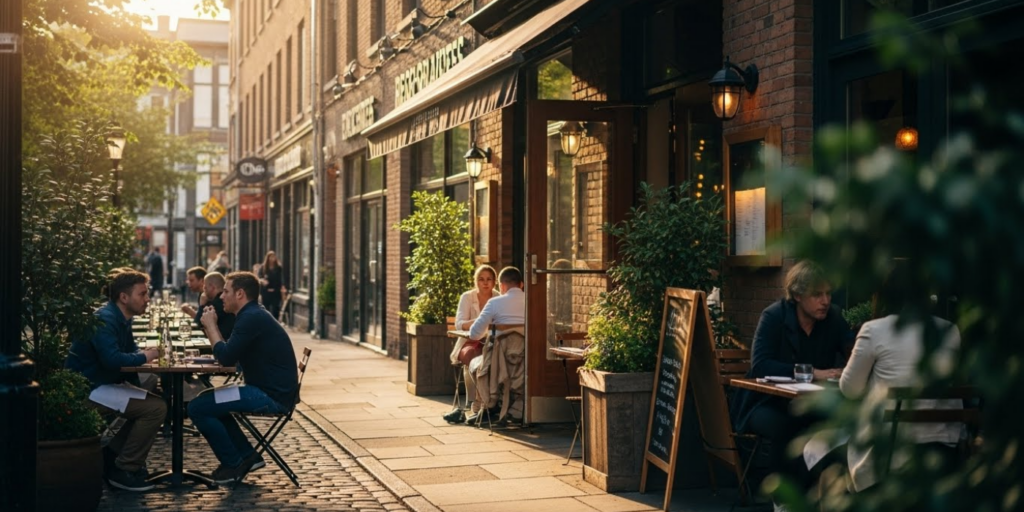
Where and when you eat can slash your bill—without sacrificing quality.
Avoid:
- Restaurants right next to major landmarks (Eiffel Tower, Colosseum, Times Square)
- Areas with touts or “free” flyers (they’re paid per customer)
- Dining between 7–9 p.m. on weekends (peak pricing and crowds)
Instead:
- Walk 3–5 blocks away from tourist hubs
- Eat early (6 p.m.) or late (after 9 p.m.)—you’ll get better service and sometimes off-menu deals
- Visit residential neighborhoods—locals eat well and cheaply where they live
Example: In Paris, a croque-monsieur near Notre-Dame cost €18. Five blocks away in Le Marais? €9—and twice as good.
Bonus tip: Use Google Maps’ “Dine-in” filter and sort by “Highest Rated” in less-touristy zones. You’ll often find gems with 4.7+ ratings and prices half of what you’d pay downtown.
6. Embrace Simple Meals—and Strategic Splurges
You don’t need a three-course meal every night to enjoy great food.
Mix it up:
- Breakfast: Hotel included, café pastry, or grocery store fruit
- Lunch: Hearty but affordable (soup, sandwich, street food)
- Dinner: One nice sit-down meal per week; otherwise, casual or shared
Prioritize experiences over quantity. Would you rather have seven mediocre dinners or one unforgettable meal and six delicious, simple ones?
Pro strategy: Choose one “splurge meal” per trip—maybe that Michelin-starred spot or the legendary seafood shack. Budget for it in advance, and savor every bite without guilt.
And don’t forget: Some of the world’s best meals cost under $10—think banh mi in Vietnam, arepas in Colombia, or falafel in Tel Aviv.
Remember: Food is about flavor, memory, and connection—not the size of the bill.
Bonus: How to Handle Group Dining on a Budget
Traveling with friends or family? Budget mismatches are common—but manageable.
Set expectations early:
“I’m keeping meals under $20—totally okay if you want to splurge, but I’ll meet you after!”
Choose flexible restaurants: Places with both cheap and expensive options (e.g., tapas bars, pizzerias, or Asian spots with lunch combos).
Split smartly: Order a few shared plates instead of individual entrées. Everyone gets variety, and the bill stays lower.
And never feel guilty for saying no. Your budget is your boundary—and good travel friends will respect that.
Quick Checklist: Your Budget-Friendly Dining Plan
✅ Set a daily food budget before your trip
✅ Use Google Maps + local blogs (not just TripAdvisor)
✅ Eat lunch instead of dinner when possible
✅ Avoid restaurants within 2 blocks of major attractions
✅ Always check the menu and prices before sitting
✅ Look for daily specials, fixed-price menus, or market stalls
✅ Plan one splurge meal—and enjoy it guilt-free
Conclusion
Eating well while staying within your budget isn’t about deprivation—it’s about intention. It’s about choosing where to spend your money so you can enjoy great food and peace of mind.
By knowing your limits, using smart tools, learning local dining customs, and avoiding tourist traps, you’ll discover that affordability and authenticity often go hand in hand. Some of the most memorable meals happen at hole-in-the-wall spots with plastic chairs and paper napkins—because they’re real, honest, and made with care.
So next time you’re hungry in a new city, take a breath, pull up a map, and ask: “Where would a local eat today?” Chances are, you’ll find something delicious—without breaking the bank.
We’d love to hear from you! What’s your best budget dining discovery while traveling? Have you ever avoided a tourist trap and found an amazing local spot instead? Share your tips or stories in the comments below—your recommendation could be someone else’s next favorite meal!
And if you found this guide helpful, please share it with a fellow food-loving traveler. Because everyone deserves to eat well—no matter their budget.
Bon appétit—and happy (affordable) eating!

James Anderson is a passionate enthusiast of travel, fine dining, financial freedom, and personal performance. Always seeking new experiences and challenges, he believes in living life fully while continuously improving himself. For James, exploring new destinations, savoring unique culinary experiences, and striving for independence are not just hobbies—they are a lifestyle built on curiosity, growth, and the pursuit of excellence.