Introduction
There’s something magical about island hopping—waking up to turquoise waves on one shore, then watching sunset from a different beach just hours later. But beneath the dreamy postcards lies a real truth: traveling between islands can be unpredictable, and safety should never be an afterthought.
Whether you’re island-hopping in the Greek Cyclades, exploring the Philippines’ 7,000+ islands, or navigating the Caribbean, water travel comes with unique risks—sudden weather changes, unregulated boats, language barriers, and limited emergency services. Yet with the right knowledge, these challenges become manageable, even empowering.
In this guide, we’ll walk you through the best, most reliable ways to move between islands safely—without sacrificing adventure or spontaneity. From choosing the right vessel to reading weather signs and verifying operators, these practical tips are designed for real travelers who value both discovery and peace of mind.
Because the most beautiful islands deserve to be reached—not just visited—safely.
1. Choose Reputable and Licensed Ferry or Boat Operators
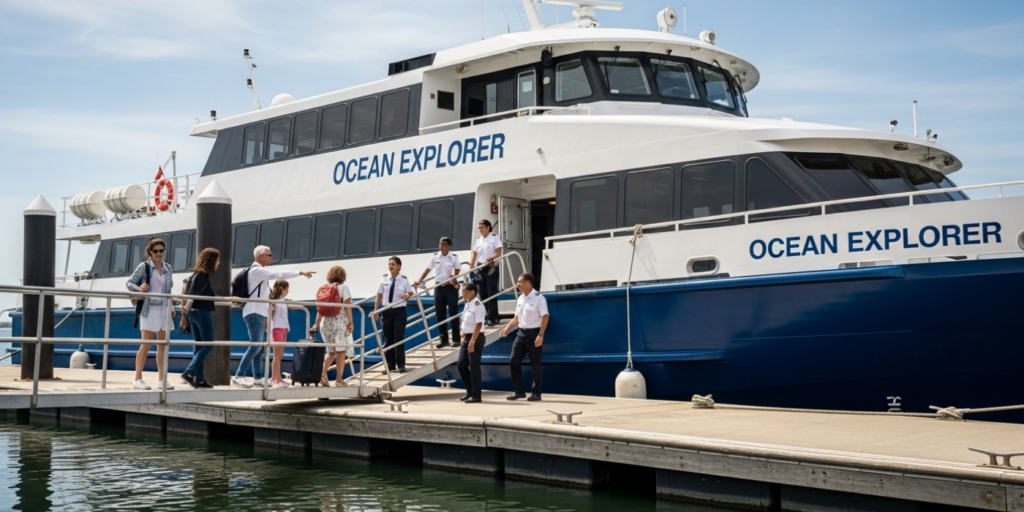
Not all ferries are created equal. In many island regions, a mix of large car ferries, high-speed catamarans, and small local boats serve the same routes—and their safety standards can vary dramatically.
Start with official sources:
- Use national ferry websites (e.g., Ferryhopper for Greece, 12Go.Asia for Southeast Asia)
- Book through licensed travel agencies or your hotel—locals know which operators have clean safety records
- Avoid random touts offering “cheap rides” on unmarked boats, especially in tourist-heavy areas like Bali or Phuket
What to look for:
- Visible licenses or registration numbers on the vessel
- Life jackets for every passenger (and crew who know how to use them)
- Clear passenger manifests and scheduled departure times (a red flag: “We leave when full”)
In the Philippines, for example, the Maritime Industry Authority (MARINA) certifies vessels—but many budget boats operate without proper inspection. In Greece, Blue Star Ferries and Hellenic Seaways are government-regulated and consistently rated safe by travelers.
Remember: A slightly higher fare is a small price to pay for reliable navigation, proper safety gear, and trained crew.
As one seasoned traveler in the Aegean put it: “I’d rather arrive late on a safe boat than early on a risky one.”
2. Check Weather and Sea Conditions Before Departure
The ocean doesn’t care about your itinerary. Sudden storms, high swells, or strong winds can turn a scenic ride into a dangerous situation—especially on smaller boats.
Always check the forecast the night before and morning of your trip. Reliable sources include:
- Local meteorological services (e.g., Greece’s HNMS, Philippines’ PAGASA)
- Apps like Windy, Windyty, or MyRadar, which show wave height and wind speed
- Port authority announcements—many islands post daily sailing advisories
Red flags to watch for:
- Wave heights over 1.5 meters (5 feet) for small boats
- Wind speeds above 25 knots (29 mph)
- “Small craft advisories” or “rough seas” warnings
Pro tip: Ask your hotel or guesthouse host—they often hear about cancellations or rough conditions before official notices go out.
And if a ferry is canceled due to weather, don’t try to find an “unofficial” boat willing to go anyway. Those operators are often uninsured and unprepared for emergencies.
Mother Nature sets the rules on the water. The safest travelers are the ones who respect them.
3. Understand the Type of Vessel You’re Booking
Island transport ranges from massive roll-on/roll-off ferries to open-air wooden pangas—and each has different safety implications.
Common vessel types:
- Conventional ferries: Slower but stable, with indoor seating, restrooms, and lifeboats. Ideal for families or rougher seas.
- High-speed catamarans: Faster and smoother, but more expensive. Usually well-maintained and regulated.
- Outrigger boats or bangkas: Common in Southeast Asia—great for calm, short hops, but less stable in choppy water.
- Private charters or water taxis: Convenient but require extra vetting (see below).
Key questions to ask:
- Is the boat covered or open-air? (Open boats offer no protection from sun or rain)
- Does it have a VHF radio or GPS?
- How many passengers is it certified to carry? (Overloading is a major cause of accidents)
In Indonesia, for instance, government-approved “public ferries” (like ASDP) follow strict capacity rules, while informal “speedboats” between Gili Islands may not.
Bottom line: Match the vessel to the conditions—and your comfort level. If you’re prone to seasickness or traveling with kids, opt for larger, enclosed ferries even if they take longer.
4. Verify Safety Equipment and Emergency Protocols
A boat might look clean and modern—but that doesn’t guarantee it’s safe. Always do a quick safety scan before boarding.
What to look for:
- One properly fitted life jacket per passenger (not just a pile in a corner)
- Visible fire extinguishers and first-aid kits
- Crew wearing life vests (if they don’t, neither will you in an emergency)
- Clear emergency instructions (even in basic pictograms)
If you’re booking a private charter (common in the Maldives, Thailand, or Croatia), ask directly:
- “Is your boat registered with the coast guard?”
- “Do you carry an EPIRB (emergency beacon) or satellite phone?”
- “What’s your policy if weather turns bad mid-trip?”
In 2018, a tourist boat capsized in Phuket during a storm—most victims weren’t wearing life jackets, and the operator had ignored weather warnings. Tragedies like this are often preventable with basic precautions.
Don’t be shy—your safety questions show you’re a responsible traveler, not a difficult one.
5. Share Your Itinerary and Carry Essential Supplies

When traveling between remote islands, communication can be limited—and help may be hours away. That’s why proactive planning saves lives.
Before you go:
- Share your full itinerary (departure time, boat name, expected arrival) with someone back home or at your accommodation
- Save local emergency numbers (coast guard, marine police) in your phone
- Carry a waterproof dry bag with:
- Phone (in a sealed case)
- Portable charger
- Water and snacks
- Basic meds (anti-nausea, antihistamines)
- A whistle or small flashlight
Bonus: Download offline maps (like Maps.me) showing island locations—cell service often drops mid-journey.
In Fiji or Vanuatu, where inter-island travel can mean 4+ hours on open water, these small steps create a critical safety net.
And if you’re prone to seasickness, take medication 30–60 minutes before boarding—dramamine, ginger chews, or acupressure bands can make a huge difference in your comfort and alertness.
Because safety isn’t just about avoiding danger—it’s about being ready if things don’t go as planned.
6. Trust Local Advice—and Your Gut
Locals live with the sea every day. Their instincts about tides, weather, and trustworthy captains are often more accurate than any app.
If your Airbnb host says, “Don’t take that boat—it’s been sketchy lately,” listen. If fishermen are pulling their boats ashore while tourists are boarding “fun tours,” pause and ask why.
Similarly, trust your own intuition. If a vessel looks overcrowded, smells of fuel, or has cracked hulls, walk away—even if it means missing your planned island for the day.
Travel is full of compromises, but safety isn’t one of them.
One traveler in the Cyclades shared how she skipped a “too-good-to-be-true” €10 ferry to Mykonos after noticing life jackets were moldy and torn. Later, that same operator was fined for safety violations. Her caution kept her safe—and stress-free.
Sometimes, the wisest choice isn’t the fastest or cheapest—it’s the one that lets you sleep soundly that night.
Conclusion: Adventure Responsibly, Travel Confidently
Island hopping is one of travel’s greatest joys—offering solitude, beauty, and cultural richness you won’t find on the mainland. But like all great adventures, it requires respect for the environment and preparation for the unexpected.
By choosing licensed operators, checking weather conditions, understanding your vessel, verifying safety gear, sharing your plans, and listening to local wisdom, you protect not just your safety—but your entire travel experience.
Because the goal isn’t just to reach the next island—it’s to enjoy every moment of the journey there.
So as you plan your island escape, remember: true freedom comes from confidence, not risk. Equip yourself with knowledge, stay curious, and let the sea carry you safely between horizons.
Have you ever had a close call—or a smooth, safe island transfer—thanks to smart planning? What safety tip would you pass on to fellow travelers? Share your story or advice in the comments below—your experience could help someone else navigate with confidence!

James Anderson is a passionate enthusiast of travel, fine dining, financial freedom, and personal performance. Always seeking new experiences and challenges, he believes in living life fully while continuously improving himself. For James, exploring new destinations, savoring unique culinary experiences, and striving for independence are not just hobbies—they are a lifestyle built on curiosity, growth, and the pursuit of excellence.