Introduction
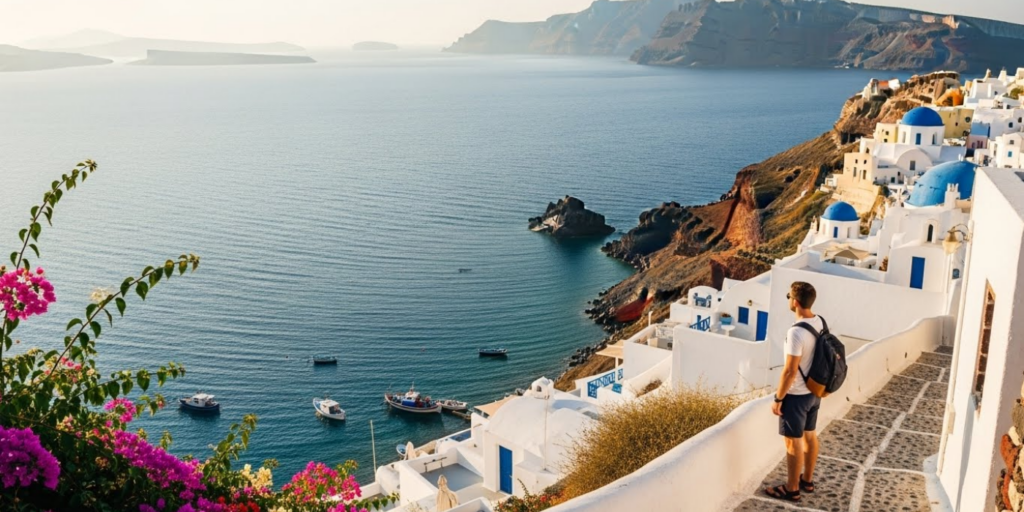
Close your eyes and imagine this: you’re sitting on a sun-bleached terrace overlooking the Aegean Sea, a plate of olives and feta beside you, the scent of jasmine in the air, and the only sound is the gentle chime of goat bells on a distant hillside. This isn’t just a fantasy—it’s the everyday magic of the Greek islands.
With over 6,000 islands (227 of them inhabited), Greece offers endless possibilities for island-hopping. But if you’re craving a relaxed, stress-free escape—not a whirlwind race from ferry to ferry—you’ll want to choose wisely. The secret? Focus on rhythm over rush, depth over distance, and moments over must-sees.
In this guide, we’ll walk you through a 7-day relaxed itinerary that blends the iconic charm of Santorini, the laid-back authenticity of Naxos, and the soulful beauty of Milos—three islands that are well-connected, stunningly diverse, and perfect for travelers who want to breathe, unwind, and truly connect with the Greek island spirit.
No packed schedules. No frantic packing between boats. Just sun, sea, slow meals, and the kind of peace that lingers long after you return home.
Why Choose a Relaxed Approach to the Greek Islands?
Let’s be honest: island-hopping in Greece can feel overwhelming. Ferries get delayed, luggage piles up, and the fear of “missing out” can turn paradise into pressure.
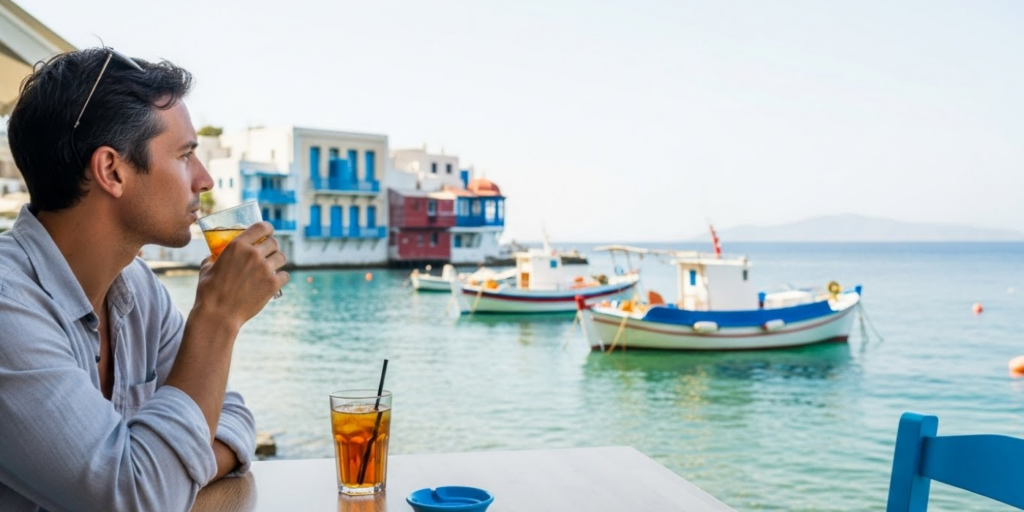
But here’s the truth: the Greek islands reveal their best selves when you slow down. Locals don’t rush. Meals last hours. Naps are honored. And the sea? It’s not going anywhere.
A relaxed itinerary isn’t about doing less—it’s about experiencing more deeply. By spending 2–3 nights on each island, you’ll move beyond postcard views and start noticing the little things: the baker who saves you a still-warm sesame ring, the fisherman mending nets at dawn, the way the light turns gold at 6 p.m. in July.
Practical benefits? Fewer ferry changes mean less stress and lower costs. Deeper stays also support local economies—your guesthouse owner, taverna chef, and boat captain become real people, not just service providers.
And remember: you don’t need to visit six islands to “do Greece right.” Three well-chosen ones can give you a richer, more memorable journey than ten rushed stops ever could.
Day 1–2: Santorini – Iconic Beauty at a Gentle Pace
Start your journey in Santorini, the island that needs no introduction. Yes, it’s famous—and for good reason. But it doesn’t have to feel crowded or chaotic if you know where to go and how to pace yourself.
Rather than staying in Oia (which is stunning but packed), consider basing yourself in Pyrgos or Megalochori—charming, less-touristed villages in the island’s center with whitewashed alleys, panoramic views, and authentic tavernas. You’ll still be close to the caldera, but with more peace.
On Day 1, arrive, unpack, and do nothing. Seriously. Walk to a nearby café, sip a freddo cappuccino, and let your body adjust to island time. Watch the sunset from Skaros Rock (near Imerovigli)—fewer crowds, equally dramatic views.
On Day 2, explore Ancient Thera, a hilltop ruin with sweeping vistas and far fewer visitors than the Akrotiri archaeological site. Afterward, head to Perissa Beach for a long lunch at a seaside taverna and a dip in the black-sand sea.
Evening tip: Book a sunset wine tasting at Santo Wines or Venetsanos Winery. Santorini’s volcanic soil produces unique whites like Assyrtiko—crisp, mineral, and perfect with grilled octopus.
Avoid the trap: Don’t try to see every village in one day. Pick one or two, wander slowly, and leave room for spontaneity—like stumbling upon a hidden chapel or accepting an invitation to taste homemade raki.
Day 3–4: Naxos – The Island That Feels Like Home
Next, take a 45-minute ferry (Blue Star or SeaJets) to Naxos—the largest of the Cyclades and one of its most underrated gems. Here, you’ll find golden beaches, mountain villages, and a strong agricultural tradition that means some of Greece’s freshest food.
Stay in Naxos Town (Chora), where the old Venetian harbor, Kastro, blends seamlessly with lively tavernas and family-run bakeries. From here, everything is accessible—and walkable.
On Day 3, explore the town: climb to the Portara, the massive marble doorway of an unfinished temple to Apollo that glows at sunset. Then, wander the fish market, where vendors might offer you a bite of freshly caught red mullet.
On Day 4, rent a car or scooter (highly recommended) and head inland. Visit Halki, a mountain village known for citrus groves and distilleries making kitron (a local citron liqueur). Stop at Panagia Drosiani, a 6th-century Byzantine church covered in rare frescoes.
In the afternoon, drive to Agios Prokopios Beach, a crescent of soft sand with shallow, turquoise water—ideal for swimming or reading under an umbrella.
Dinner idea: Try Mikri Vigla or To Elliniko for slow-cooked lamb, Naxian potatoes, and local cheese like arseniko (a peppery, hard cheese aged in barrels).
What makes Naxos special? It feels lived-in, not staged. You’re not just visiting—you’re temporarily belonging.
Day 5–6: Milos – Raw Beauty and Hidden Coves
From Naxos, catch a 2.5-hour ferry to Milos, the island that Instagram made famous—but that locals have always loved for its otherworldly landscapes and fishing-village soul.
Stay in Pollonia (quiet, family-friendly) or Adamas (central, with more amenities). Both offer easy access to beaches, boat tours, and tavernas serving the day’s catch.
Milos is all about geological wonder. The island’s volcanic origins created surreal formations: lunar-like hills, sea caves, and coves in shades of turquoise you didn’t think existed.
On Day 5, join a small-group boat tour (3–4 hours) around the island. You’ll visit the Kleftiko sea caves, Sarakiniko’s moon-like white rocks, and hidden beaches only reachable by water. Many tours include snorkeling gear and a light lunch—just bring your swimsuit and a sense of wonder.
On Day 6, rent an ATV or car and explore on land. Don’t miss Plathiena Beach (with its dramatic cliff backdrop) or Firiplaka, a long stretch of red-and-white sand perfect for solitude. Inland, visit the Catacombs of Tripiti, an early Christian burial site carved into volcanic rock.
Food highlight: Order sfougato, a fluffy cheese and herb baked dish unique to Milos, at Klimataria Taverna—a family-run spot with vine-covered pergolas and sea views.
Unlike more commercial islands, Milos still feels discovered, not exploited. It’s the kind of place where you’ll see grandmothers knitting on doorsteps and fishermen mending nets by hand.
Day 7: Reflect, Recharge, and Return with a Full Heart
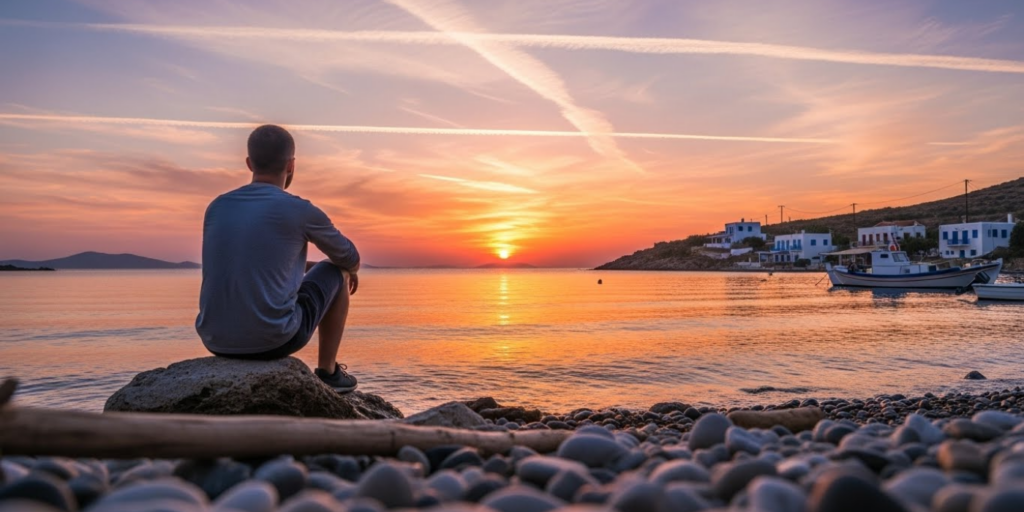
Your final day is intentionally light—because rushing on your last morning steals the peace you’ve worked so hard to cultivate.
Sleep in. Enjoy a long breakfast with fresh figs, yogurt, and honey. Walk barefoot on a quiet beach. Maybe buy a small handmade souvenir—a ceramic bowl, a bar of olive oil soap—as a tactile memory.
Use this time to reflect: What surprised you? What slowed you down in the best way? Did you find yourself smiling more, worrying less?
Travel insight: A relaxed itinerary isn’t just about where you go—it’s about how you show up. By choosing presence over pace, you’ve honored both the islands and yourself.
As you head back to Athens (or onward), carry this lesson home: slowness is its own kind of luxury.
Tips for a Truly Relaxed Greek Island Experience
To keep your trip calm and joyful, keep these practical tips in mind:
- Book ferries in advance via Ferryhopper or Direct Ferries, especially in July–August.
- Pack light: Rolling suitcases struggle on cobblestones. Opt for a backpack or soft duffel.
- Stay in small guesthouses or family-run hotels—they offer warmth, local tips, and often include breakfast.
- Eat like a local: Lunch is the main meal (served 1–3 p.m.). Many tavernas close in the afternoon and reopen for dinner around 8 p.m.
- Embrace “Greece time”: Things move slower. Buses may be late. That’s not a problem—it’s part of the rhythm.
And finally: don’t overplan. Leave one afternoon open for a spontaneous swim, a long chat with a shopkeeper, or simply sitting under a vine arbor with a glass of wine and nowhere to be.
Conclusion
The Greek islands don’t ask for your checklist. They ask for your presence.
This relaxed 7-day itinerary—Santorini, Naxos, and Milos—offers the perfect blend of drama, authenticity, and tranquility without the burnout of constant transit. You’ll see iconic sunsets, taste sun-ripened tomatoes, swim in hidden coves, and maybe even learn a few Greek phrases from your host.
But more than that, you’ll return home changed: a little softer, a little slower, and deeply reminded that travel isn’t about how many places you see—it’s about how deeply you let them touch you.
So if you’ve been dreaming of Greece but worried it’s too chaotic or crowded, remember: you get to define your own pace. Choose depth. Choose stillness. Choose connection.
Now we’d love to hear from you! Have you visited any of these islands? What’s your favorite quiet corner of the Aegean? Or are you planning your first trip and wondering where to start? Share your thoughts in the comments below—your story might inspire someone else’s next great escape.
And if this guide brought a little Greek sunshine to your day, please share it with a fellow wanderer. Because everyone deserves a slow, soulful journey through the islands.
Kαλό ταξίδι! (Kaló taxídi! – Have a good trip!)

James Anderson is a passionate enthusiast of travel, fine dining, financial freedom, and personal performance. Always seeking new experiences and challenges, he believes in living life fully while continuously improving himself. For James, exploring new destinations, savoring unique culinary experiences, and striving for independence are not just hobbies—they are a lifestyle built on curiosity, growth, and the pursuit of excellence.