
Introduction
You’ve landed in a new country, full of excitement—and then reality hits: public transport is limited, taxis are expensive, and your dream coastal road trip suddenly feels out of reach. Renting a car abroad can be the key to freedom, flexibility, and unforgettable adventures. But without the right preparation, it can also lead to hidden fees, stressful misunderstandings, or even legal trouble.
The good news? With a few smart strategies, you can rent a car overseas safely, affordably, and with confidence—even if you’ve never driven on the “wrong” side of the road before.
In this guide, we’ll walk you through everything international travelers need to know: how to choose the right rental company, avoid costly add-ons, understand insurance requirements, navigate foreign driving rules, and handle unexpected issues on the road. These practical, field-tested tips come from seasoned travelers and expats who’ve learned the hard way—so you don’t have to.
Whether you’re planning to cruise through Tuscany, explore Iceland’s Ring Road, or island-hop in Greece, these insights will help you drive like a local, not a tourist.
1. Know Your Documents—Before You Land
Before you even think about reserving a car, verify what you legally need to drive in your destination country. Requirements vary widely—and assumptions can get you stranded.
Essential documents almost every traveler needs:
- Valid driver’s license from your home country
- International Driving Permit (IDP)—required in over 100+ countries, including Japan, Italy, Australia, and Greece
What is an IDP?
It’s not a license—it’s an official translation of your license into 10+ languages, recognized under UN treaties. In the U.S., you can get one from AAA or the American Automobile Association for about $20. It must be issued before you leave home—you can’t get one abroad.
Real-life consequence:
Mark rented a car in Portugal with just his U.S. license. He was pulled over, fined €300, and his rental insurance was voided—because Portugal technically requires an IDP for non-EU licenses (even if rental desks don’t always ask).
Pro tip:
Take clear photos of your license, IDP, passport, and credit card. Save them in your phone and email. If you lose your wallet, you can still prove your identity at the rental desk.
Also: Some countries (like South Africa or Mexico) require a minimum driving experience (e.g., 1–2 years). Check official government travel sites or your embassy’s website for specifics.
2. Book Smart: Where, When, and How to Save
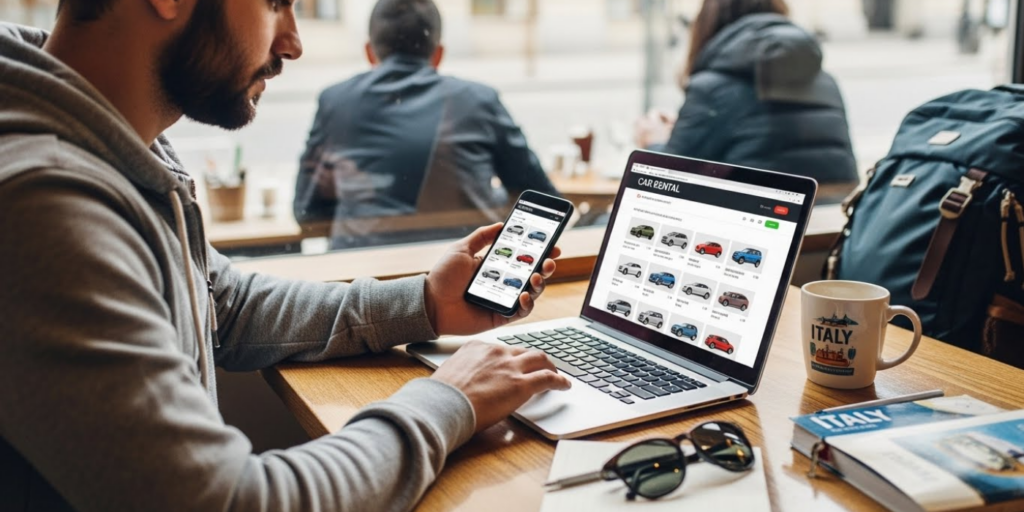
Booking a rental car isn’t like booking a flight—the cheapest rate isn’t always the best deal. Hidden costs can double your final bill.
Best practices:
✅ Book in advance—but not too early: 2–8 weeks out often yields the best prices.
✅ Compare across platforms: Use aggregators like Rentalcars.com, Kayak, or Auto Europe, but always check the rental company’s official site too—sometimes they offer “member-only” rates or free upgrades.
✅ Pay in local currency: If the rental desk offers to charge you in U.S. dollars, decline. Dynamic currency conversion usually adds 3–8% in hidden fees.
Avoid these sneaky add-ons:
- “Full-to-full” fuel policy: Agree to return the car with the same fuel level you received it. Never prepay for a full tank—gas stations near airports are marked up.
- Unnecessary insurance: Your credit card (especially premium travel cards like Chase Sapphire or Amex Platinum) may already include rental coverage. Call them before your trip to confirm.
- GPS or child seats: Bring your own or rent from a third party—they’re often 50% cheaper.
Golden rule: If a deal seems too good to be true, read the fine print. That $15/day rate in Bali might exclude insurance, add airport fees, and require a $500 deposit hold.
3. Understand Insurance—Your Biggest Risk (and Biggest Save)
This is where most international renters get burned. Rental companies will aggressively upsell “Collision Damage Waiver” (CDW) or “Loss Damage Waiver” (LDW)—but you likely don’t need it.
What you really need:
- Primary liability coverage (covers damage to others)—often included by law in the destination country.
- Collision/theft protection—this is what CDW covers.
Where you might already be covered:
- Credit card benefits: Many premium cards offer secondary or even primary rental insurance when you pay with the card and decline the rental company’s CDW.
- Personal auto policy: Some U.S. insurers (like Geico or Allstate) extend coverage to rentals abroad—call to confirm.
- Travel insurance: Comprehensive plans (like World Nomads or SafetyWing) often include rental car damage protection.
Critical: If you decline the rental company’s insurance, document the car thoroughly at pickup—photos and video of every scratch, dent, and tire. Email them to yourself as a timestamped record.
True story:
Sarah declined CDW in Ireland, relying on her credit card. When a stone chipped the windshield, the rental company tried to charge her $800. She filed a claim with her card—and won—because she had video proof the chip wasn’t there at pickup.
4. Master Local Driving Rules (They’re Not Just “Drive on the Left”)
Driving abroad isn’t just about steering with your “wrong” hand. Local traffic laws can be surprisingly specific—and strictly enforced.
Common surprises international drivers miss:
- Zero-tolerance alcohol limits: In countries like Hungary or Czechia, any detectable BAC can mean fines or jail.
- Mandatory car kits: Germany, Austria, and Spain require warning triangles, reflective vests, and first-aid kits in the car. Fines for missing them start at €50.
- Toll systems: France and Portugal use electronic toll tags; if your rental doesn’t include one, you’ll get billed later with a $20 admin fee.
- Restricted zones: Many European cities (like Rome, Madrid, or Athens) have ZTLs (limited traffic zones). Enter without permission, and you’ll get a €100+ fine—even if your GPS routed you there!
Pro tip:
Download offline maps (like Maps.me or Google Maps) and study your route before driving. GPS signals can drop in tunnels or rural areas.
Also: Learn basic road signs in the local language. A “STOP” sign might say “PARE” (Portugal) or “ALTO” (Mexico)—but the shape is always octagonal.
5. Inspect the Car Like a Pro—At Pickup and Drop-Off

Rental companies count on rushed travelers skipping inspections. Don’t be that traveler.
At pickup:
- Walk around the car with an agent—point out every scratch, dent, and rim scuff.
- Check headlights, blinkers, and tire pressure.
- Ensure the spare tire, jack, and toolkit are present (required in many countries).
- Take a 360-degree video with your phone, narrating any imperfections.
At drop-off:
- Return during business hours if possible (avoid “drop box” returns where no one checks the car with you).
- Get a signed receipt confirming the car was returned undamaged.
- Keep all paperwork for at least 6 months—charges can appear weeks later.
Red flag: If the agent refuses to note existing damage, take a different car. It’s not worth the risk.
6. Drive Defensively—and Respect Local Norms
Driving culture varies wildly. In Italy, honking is conversational. In Japan, it’s rude. In Morocco, roundabouts are survival-of-the-fittest.
Adapt quickly:
- Observe locals for 10 minutes before merging into traffic.
- Never assume right-of-way—even if you “have it.” In many countries, bigger vehicles (buses, trucks) take priority regardless of signs.
- Use turn signals religiously—they’re often interpreted as polite requests, not just legal requirements.
Stay calm:
If someone cuts you off or flashes lights, don’t escalate. A smile or wave diffuses tension. Remember: you’re a guest on their roads.
Bonus: Keep a small phrasebook or translation app handy for gas stations or police stops. Knowing how to say “Where is the nearest gas station?” or “I’m sorry, I didn’t understand” goes a long way.
7. Know What to Do in an Emergency
Accidents happen. Being prepared turns panic into problem-solving.
If you’re in a crash:
- Ensure safety first—move cars off the road if possible.
- Call local police—in most countries, a police report is required for insurance.
- Exchange info with the other driver (name, license plate, insurance).
- Notify your rental company immediately—delays can void coverage.
- Contact your credit card or travel insurer to start a claim.
Save these before you go:
- Local emergency number (112 works in most of Europe)
- Your country’s embassy phone number
- Rental company’s 24/7 roadside assistance line
Peace of mind tip: Enroll in the U.S. Department of State’s STEP program (Smart Traveler Enrollment Program). They’ll alert you to crises and help in emergencies.
Conclusion: Freedom on Four Wheels—Done Right
Renting a car abroad unlocks hidden villages, coastal cliffs, mountain passes, and spontaneous detours that public transport simply can’t offer. But that freedom comes with responsibility—and a little homework goes a long way.
By securing the right documents, booking wisely, understanding insurance, respecting local rules, and inspecting your vehicle thoroughly, you’ll avoid costly headaches and focus on what matters: the open road and the adventure ahead.
Remember, the goal isn’t just to drive—it’s to drive confidently, safely, and respectfully in someone else’s home.
So before your next trip, take 30 minutes to review these tips. Print your IDP, call your credit card company, and map your first route. Your future self—the one cruising down a sun-drenched highway with the windows down—will thank you.
Now we’d love to hear from you: Have you rented a car abroad? What’s your best tip—or biggest lesson learned? Share your story in the comments below! And if this guide helped you feel more prepared, pass it on to a fellow traveler planning their own road trip. Safe journeys—and happy driving!

James Anderson is a passionate enthusiast of travel, fine dining, financial freedom, and personal performance. Always seeking new experiences and challenges, he believes in living life fully while continuously improving himself. For James, exploring new destinations, savoring unique culinary experiences, and striving for independence are not just hobbies—they are a lifestyle built on curiosity, growth, and the pursuit of excellence.