
Introduction
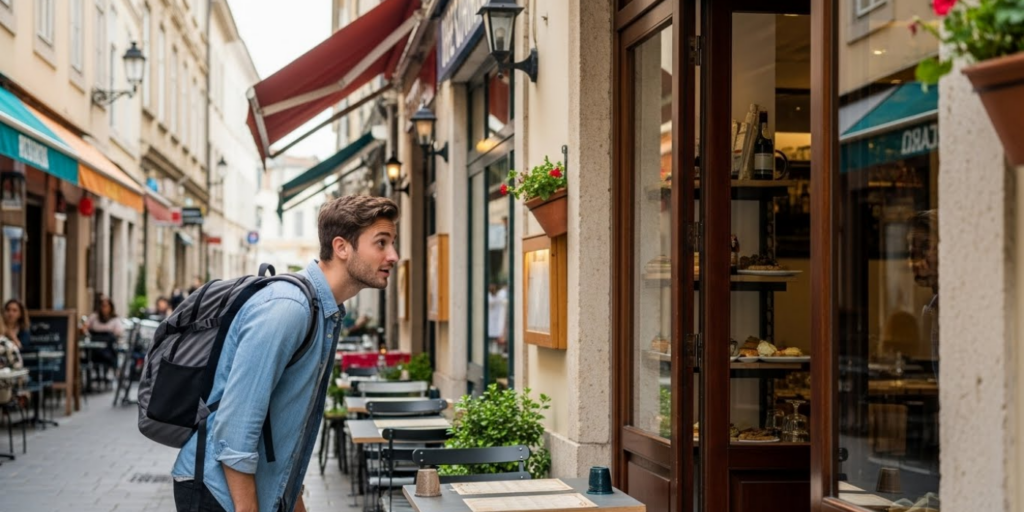
Imagine biting into a warm, flaky pastry in a sun-dappled Lisbon café—only to learn it’s been made the same way for 120 years by the same family. Or stumbling upon a hidden Bangkok alley where a 70-year-old grandma serves the city’s best boat noodles from a cart older than your passport.
These aren’t just meals. They’re moments that define a trip.
Yet so many travelers miss them—because they eat where it’s easy, not where it’s extraordinary. They follow crowds to Instagram-famous spots while missing the quiet gems where locals eat, laugh, and live.
The good news? You don’t need to be a chef or a critic to find incredible food while traveling. You just need the right mindset and a few smart strategies.
In this guide, we’ll show you how to discover true foodie hotspots in any destination—from bustling capitals to sleepy villages. You’ll learn how to use tech like a local, read cultural cues, build connections, and trust your senses. Whether you’re a curious first-timer or a seasoned traveler, these tips will transform your plate into a passport.
Let’s go beyond the menu and into the soul of a place—one unforgettable bite at a time.
1. Skip the Obvious—Start Where Locals Eat
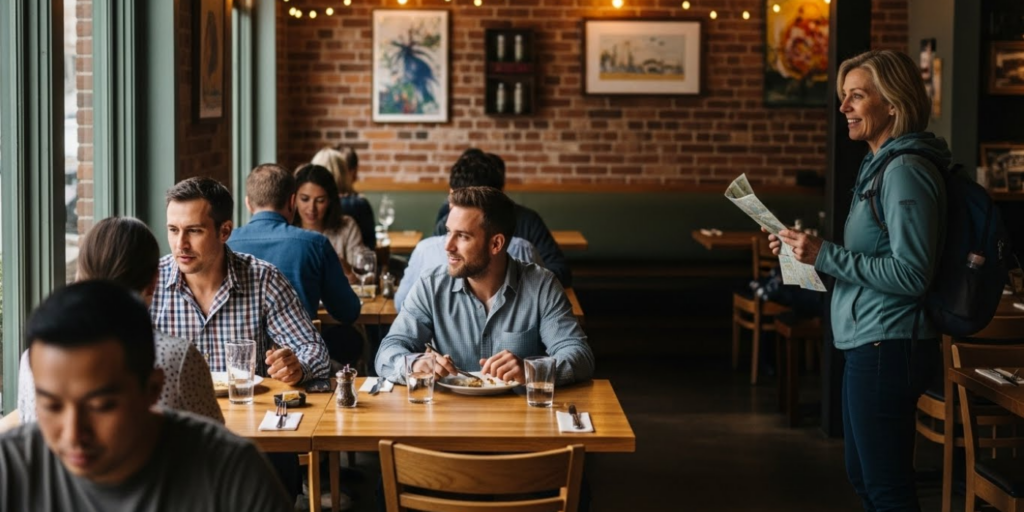
The biggest mistake food travelers make? Eating where it’s convenient—right off the tourist trail, with picture menus and English-speaking staff. Those spots aren’t bad—but they’re rarely authentic.
Real foodie hotspots thrive where locals gather, not where tour buses park.
So, take a walk. Head three blocks away from major attractions. Look for:
- Small restaurants with handwritten chalkboard menus
- Cafés filled with people in work clothes at lunchtime
- Street stalls with lines of residents (not backpackers)
In Naples, skip the pizza places near the Duomo. Walk to the neighborhood of Vomero, where nonnas debate which pizzeria makes the best Margherita. In Mexico City, bypass Polanco’s glossy restaurants and head to Mercado Roma or street carts in Tepito for tacos that cost $1 and taste like heaven.
Why this works: Local spots rely on repeat customers, not one-time tourist dollars. That means fresher ingredients, traditional recipes, and honest pricing.
Pro tip: Time your arrival like a local. In Spain, dinner starts at 9 p.m.—show up at 7, and you’ll get reheated leftovers. In Japan, lunch specials offer the same quality as dinner for half the price.
When you eat where locals eat, you’re not just filling your stomach—you’re stepping into their daily rhythm.
2. Use Apps and Online Tools—But Don’t Trust Them Blindly
Yes, apps like Google Maps, Yelp, and TripAdvisor can help. But the best foodie spots often fly under the digital radar.
Here’s how to use tech wisely:
- Sort Google Maps reviews by “Most Recent”—not just highest rated. A 4.7-star place with 20 reviews from the past week is more reliable than a 5-star with 500 generic posts from 2019.
- Look for detailed reviews: “Their handmade pasta with wild boar ragù changed my life” beats “Good food!”
- Search Instagram geotags: Type “[City] food” and scroll through recent posts. You’ll often find pop-ups, market stalls, or hole-in-the-wall cafés that haven’t made it to review sites.
But remember: In many countries, locals don’t use Yelp or TripAdvisor. In Paris, Tokyo, or Istanbul, Google Maps is far more accurate.
Even better: Use niche platforms like:
- The Infatuation: For vetted, witty, and honest reviews in major cities
- Eater Heatmaps: Updated lists of the “hottest” new openings
- Local food blogs: Search “[City] best food blog” for hyper-local insights
Golden rule: Use tech as a starting point—not the final word. Cross-reference a few sources, then explore with your own eyes (and nose).
Because sometimes, the best meal has no online footprint—just a pot of something fragrant simmering on the stove.
3. Talk to People—Especially Those Who Work with Food
The most powerful tool for finding foodie hotspots isn’t an app—it’s human connection.
Start simple:
- Ask your Airbnb host or hotel concierge: “Where do you go when you’re not working?”
- Talk to bartenders, baristas, or shopkeepers: They eat out often and know the scene.
- Compliment a dish at a café and ask, “Who taught you to make this?” You might get invited to a family recipe—and a recommendation.
Real-life example: A traveler in Athens asked her Airbnb host for a “non-touristy souvlaki spot.” He took her to a tiny grill in a parking lot behind a gas station—where the meat was marinated for 48 hours and wrapped in paper stamped with the chef’s nickname. No sign. No website. Just perfect.
Also: Visit local markets. Talk to vendors. Say, “What would you cook with this?” They’ll often point you to the best nearby restaurant that uses their produce.
Why this works: Food is personal. When someone shares their favorite spot, they’re sharing a piece of their life. And that’s where trust—and taste—begin.
So don’t be shy. A kind question can unlock a world of flavor.
4. Follow Food Festivals, Markets, and Pop-Ups
Some of the most exciting foodie hotspots aren’t permanent—they’re ephemeral, seasonal, or secret.
Check for food events before you go:
- Night markets (like Taipei’s Shilin or Bangkok’s Rot Fai)
- Street food festivals (Madrid’s Mercado de San Miguel hosts weekly tastings)
- Pop-up dinners (often advertised on Instagram or Eventbrite)
- Harvest festivals (truffle fairs in Italy, mango festivals in Thailand)
These events gather the best local talent in one place—often with small plates, live cooking demos, and chances to meet chefs.
Pro tip: Sign up for local food walking tours—not the touristy kind, but small-group experiences led by food writers or home cooks. Companies like Eatwith or Withlocals connect you with hosts who open their kitchens for intimate meals.
Bonus: Visit farmers’ markets early in the morning. That’s when chefs shop—and when you can spot which vendors they return to again and again. Follow them, and you’ll find their restaurants.
These aren’t just meals—they’re immersive cultural experiences that connect you to land, tradition, and community.
5. Learn to “Read” a Menu (Even in a Foreign Language)

You don’t need to speak the language to spot a great foodie spot—just know what to look for.
Signs of authenticity:
- Handwritten or chalkboard menus (updated daily based on what’s fresh)
- Short menus (a focus on a few dishes done perfectly)
- Local ingredient names (like “heirloom tomatoes from X farm” or “wild-caught sea bream”)
- No photos (real food doesn’t need stock images to sell itself)
Red flags:
- Laminated menus in five languages
- “World cuisine” that tries to do everything
- Prices that seem too good to be true (they usually are)
If you’re unsure, point to what other diners are eating. Or ask, “What’s your specialty?” Most chefs light up when asked.
Pro hack: Learn three key phrases:
- “What do you recommend?”
- “Is this made fresh today?”
- “Thank you—this was delicious!”
Even broken pronunciation shows respect—and often earns you an extra dessert or a story about the recipe.
Remember: A great menu isn’t about fancy words—it’s about honest food, clearly told.
6. Embrace the Unexpected—Let Curiosity Lead
The best foodie hotspots often defy expectations. They might be:
- A gas station in Texas serving award-winning brisket
- A laundromat in Brooklyn with a secret ramen counter in back
- A grandma’s kitchen in Oaxaca, open only on Sundays
Stay open-minded. Don’t dismiss a place because it looks humble. Some of the world’s best meals happen on plastic stools, under string lights, with paper napkins.
Try this mindset: Order what you don’t recognize. Ask, “What’s that dish I keep seeing?” You might discover cecina in Peru, khachapuri in Georgia, or bunny chow in South Africa—foods you’d never find on a tourist menu.
Also: Give yourself permission to wander. Skip the plan one evening. Follow a smell. Peek into a doorway. Say yes to the tiny place with no English menu.
Because food isn’t just fuel—it’s an invitation to wonder.
And the most memorable bites often come from saying “yes” to the unknown.
Conclusion: Eat Like a Guest, Not a Tourist
Discovering true foodie hotspots isn’t about chasing trends or ticking off famous names. It’s about showing up with humility, curiosity, and respect—for the food, the people, and the place.
By stepping off the beaten path, talking to locals, using tech wisely, and trusting your senses, you turn every meal into a story. And those stories—of shared tables, secret recipes, and unexpected flavors—become the heart of your journey.
So next time you travel, don’t just eat. Explore. Ask. Taste. Connect.
The world’s best food isn’t hiding—it’s waiting for you to notice it.
Now we’d love to hear from you: What’s the most unexpected foodie gem you’ve discovered while traveling? Or what city surprised you with its hidden culinary scene? Share your story in the comments below—or tag a fellow food lover who needs these tips!
Because when you eat like a local, you don’t just visit a place—you belong to it, if only for one perfect bite.

James Anderson is a passionate enthusiast of travel, fine dining, financial freedom, and personal performance. Always seeking new experiences and challenges, he believes in living life fully while continuously improving himself. For James, exploring new destinations, savoring unique culinary experiences, and striving for independence are not just hobbies—they are a lifestyle built on curiosity, growth, and the pursuit of excellence.