
Introduction
There’s a special kind of magic in finding a tiny taco stand tucked behind a laundromat, a family-run pasta shop with no sign, or a breakfast nook where the locals line up before sunrise. These hidden gems serve more than just food—they offer authenticity, culture, and stories you won’t find on a glossy menu or a sponsored Instagram post. Yet, in an age of algorithm-driven recommendations and influencer hotspots, discovering these treasures can feel like searching for buried gold.
The good news? You don’t need a secret map or insider connections. With the right mindset and a few smart strategies, any traveler—or even a local—can uncover the most delicious, under-the-radar spots in any city. It’s less about luck and more about curiosity, observation, and knowing where to look beyond the usual apps.
In this guide, we’ll share practical, field-tested methods to find authentic local eateries that fly under the radar. You’ll learn how to read the subtle signs of a great food spot, leverage community knowledge, use technology wisely (without becoming a slave to it), and even turn small talk into culinary gold. Whether you’re exploring a new city or rediscovering your hometown, these tips will help you eat like a local—every single time.
Look Beyond the Apps: Why Google and Yelp Aren’t Enough
Let’s be honest: Google Maps and Yelp are useful—but they’re also biased toward popularity, not authenticity. The top-rated spots are often the ones with the best marketing, not necessarily the best food. Plus, algorithms favor places with lots of recent reviews, which means quiet, decades-old joints get buried under flashy new brunch cafes.
Instead of starting with your phone, start with your eyes. Walk through residential neighborhoods or commercial districts away from tourist zones. Look for:
- Crowds of locals (especially during off-peak hours)
- Minimal signage—many legendary spots don’t need ads
- Steam, smells, or music spilling out the door
- Cars parked out front at odd hours (a good sign of consistent quality)
Real example: In New Orleans, the famous Domilise’s Po-Boys doesn’t have a website or social media—and barely a sign. But locals know it’s been serving perfect po’boys since 1924. You’ll only find it if you’re paying attention.
Also, dig deeper into review platforms. On Google, sort reviews by “newest” or “with photos” to see what recent diners experienced. On Yelp, look past the 5-star hype and read detailed 3- and 4-star reviews—they’re often more honest.
Remember: The best food rarely shouts. It whispers.
Talk to the Right People: Unlock Local Knowledge
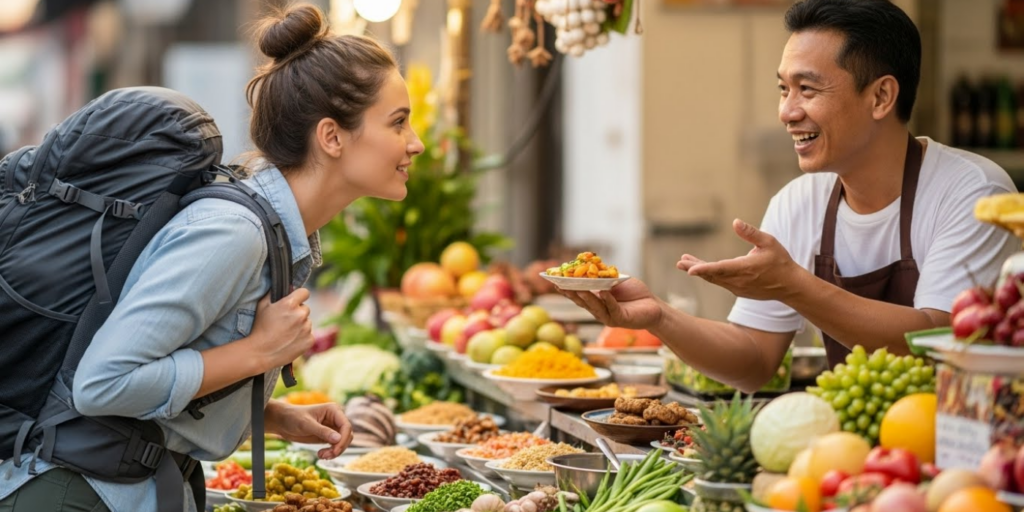
Sometimes, the fastest route to a hidden gem is a simple conversation. But not all advice is equal—so know who to ask.
Avoid: Hotel concierges (they often have partnerships with certain restaurants) or ride-share drivers who just moved to town.
Ask instead:
- Bartenders and baristas: They’re rooted in the community and talk to hundreds of locals weekly. Try: “Where do you go when you want a really great meal after your shift?”
- Butchers, bakers, or farmers at markets: They supply ingredients to restaurants—and know which kitchens respect their craft.
- Taxi or delivery drivers: They see where people actually eat, not where they post about eating.
- Local shop owners: The woman running the hardware store or bookstore has lived there for years—and probably has a favorite lunch spot.
Pro tip: Use open-ended questions like “Where’s your favorite place for pho?” instead of “Is there good food around here?” The more specific, the better the answer.
In Lisbon, a casual chat with a bookstore owner led me to a tiny tasca serving the city’s best bacalhau—no English menu, plastic chairs, and a line out the door by 1 p.m. That’s the power of human connection.
Follow the Workers, Not the Tourists
A foolproof rule: Where the workers eat, the food is real—and affordable.
Look for:
- Lunch trucks parked near construction sites or office parks
- Small cafés filled with people in uniforms (nurses, teachers, mechanics)
- Restaurants that open early for breakfast and close by 3 p.m.—they cater to locals with day jobs, not tourists.
These spots prioritize flavor and value over ambiance. You might sit on folding chairs or order from a handwritten board—but the soup will be made from scratch, the bread baked that morning, and the portions generous.
Case in point: In Los Angeles, the best birria isn’t in a trendy downtown taqueria—it’s at a food truck in Boyle Heights where factory workers line up at 7 a.m. for bowls of rich, spicy stew.
Similarly, if you see a restaurant packed at 2 p.m. on a Tuesday, that’s a stronger signal than one full of tourists at 8 p.m. on a Saturday. Consistency beats Instagrammability every time.
Use Social Media Strategically (Without Falling for Hype)
Yes, social media can help—but you have to use it like a detective, not a follower.
Instead of searching “best restaurants in Austin,” try:
- Location-based hashtags: #AustinEats, #EastSideATX, #AustinFoodie
- Geotags on Instagram: Zoom into neighborhoods on the map and see what real people are posting
- Local food bloggers with modest followings—they’re often more authentic than mega-influencers
Even better: Look for photos of food with no posed flat lays or ring lights. Grainy, overhead shots of a steaming bowl of ramen taken by someone clearly enjoying their meal? That’s your sign.
Also, follow local chefs or food critics on Twitter or Instagram. They often share under-the-radar spots they love—not just places paying for promotion.
And don’t ignore Facebook Groups. Search “[City Name] Food Lovers” or “Hidden Gems in [Neighborhood].” These communities are full of passionate locals sharing honest recommendations.
Bonus: If you see the same unassuming spot mentioned by three different locals online, it’s probably gold.
Embrace the “Wrong” Side of Town
Some of the best food in any city hides in overlooked or “undesirable” neighborhoods—not because the area is unsafe, but because it’s undiscovered by tourism.
Industrial zones, residential backstreets, or areas near bus depots often host immigrant-run eateries serving hyper-regional, home-style cooking. These places survive on word-of-mouth and repeat customers, not Yelp stars.
Example: Queens, New York—often passed over for Manhattan—boasts the most diverse food scene in the U.S., with authentic Uzbek, Colombian, and Thai restaurants operating out of unmarked storefronts.
Safety tip: Always check recent travel advisories and use common sense. Visit during daylight hours if you’re unsure, and trust your gut. But don’t let stereotypes keep you from incredible culinary experiences.
Sometimes, the best meals come from places that look like they shouldn’t be good—and that’s exactly why they are.
Learn Basic Food Cues in the Local Language
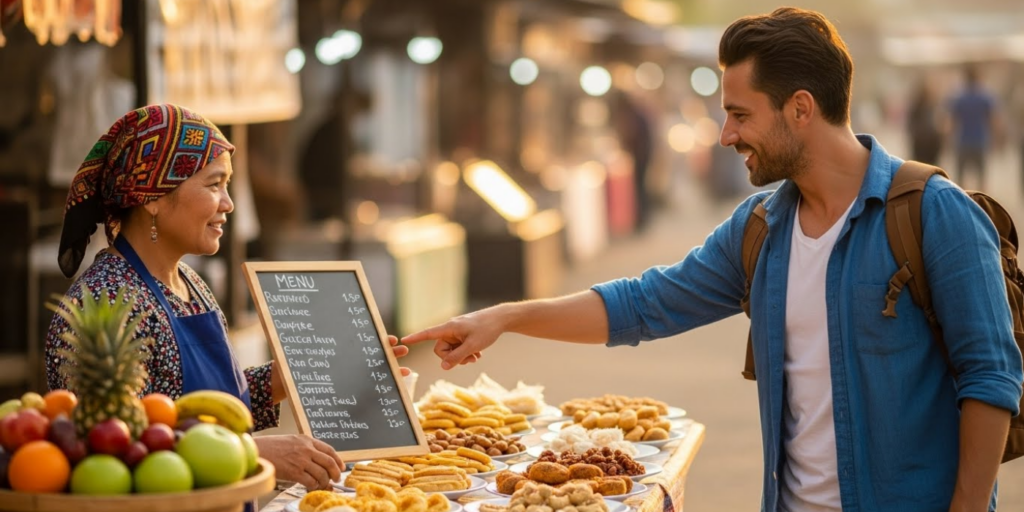
You don’t need fluency—but knowing a few key phrases can open doors (and menus).
- “What do you recommend?” in the local language shows respect and curiosity.
- Look for signs like “casero” (home-style in Spanish), “du jour” (daily special in French), or “mama’s special” on handwritten boards.
- Avoid places with large, laminated, photo-heavy menus in multiple languages—a sign they cater primarily to tourists.
In Thailand, a simple “Aroy mak?” (“Very delicious?”) with a smile can lead a street vendor to hand you their best dish—before you even order.
Food is a universal language. When you approach it with humility and interest, locals often respond with generosity and pride.
Keep a Personal Food Journal (Digital or Analog)
Once you start discovering gems, track them. Use a notes app, a small notebook, or even voice memos to record:
- Name and location
- What you ordered (and loved)
- Who recommended it
- Any quirks (“Only open Tues–Thurs,” “Cash only,” “Ask for Maria’s special sauce”)
This becomes your personal culinary compass—not just for revisiting, but for sharing with friends or planning future trips.
Over time, you’ll notice patterns: maybe you love family-run spots with red-checkered tablecloths, or hole-in-the-wall joints with one signature dish. Your journal helps you refine your taste and hunt more intentionally.
Conclusion
Finding hidden local eateries isn’t about secret hacks—it’s about slowing down, staying curious, and valuing authenticity over aesthetics. The best meals often come from places that don’t try to impress; they simply feed people with care, tradition, and pride.
By looking beyond apps, talking to the right locals, following where workers eat, and using social media with intention, you’ll transform every trip—near or far—into a flavorful adventure. You’ll not only eat better; you’ll connect more deeply with the culture and community around you.
So next time you’re in a new place (or even your own backyard), put your phone away for an hour. Walk down a side street. Smile at a shopkeeper. Order something you can’t pronounce. You might just find your new favorite meal—and the story behind it.
What’s the most unforgettable hidden eatery you’ve ever discovered? How did you find it? Share your story in the comments—we’d love to add your gem to our mental map! And if this guide inspired you to eat like a local, pass it along to a fellow food lover who’s tired of tourist traps and ready for real flavor. Bon appétit!

James Anderson is a passionate enthusiast of travel, fine dining, financial freedom, and personal performance. Always seeking new experiences and challenges, he believes in living life fully while continuously improving himself. For James, exploring new destinations, savoring unique culinary experiences, and striving for independence are not just hobbies—they are a lifestyle built on curiosity, growth, and the pursuit of excellence.