
Introduction
Imagine standing on a sun-drenched beach in Bali—only to realize you’re shoulder-to-shoulder with thousands of other tourists, humidity clinging to your skin, and a monsoon warning flashing on your phone. Now picture the same beach two months earlier: soft breeze, empty shoreline, and golden light filtering through palm trees. Same place. Totally different experience.
The difference? Timing.
Choosing when to travel can be just as important as choosing where to go. The “best” time isn’t one-size-fits-all—it depends on your priorities, budget, tolerance for crowds, and even your idea of a perfect day. Yet, most travelers book flights based on convenience or flashy sale alerts, only to arrive during peak crowds, off-season closures, or unexpected weather chaos.
In this guide, you’ll learn a flexible, personalized framework to pick the ideal travel window for any destination—whether you’re chasing northern lights in Iceland, hiking in Patagonia, or sipping wine in Tuscany. We’ll break down how to weigh seasons, events, prices, and personal preferences so you can travel smarter, smoother, and more meaningfully. No crystal ball needed—just a few smart questions and some local insight.
1. Understand the Destination’s Climate and Seasons (Beyond the Calendar)
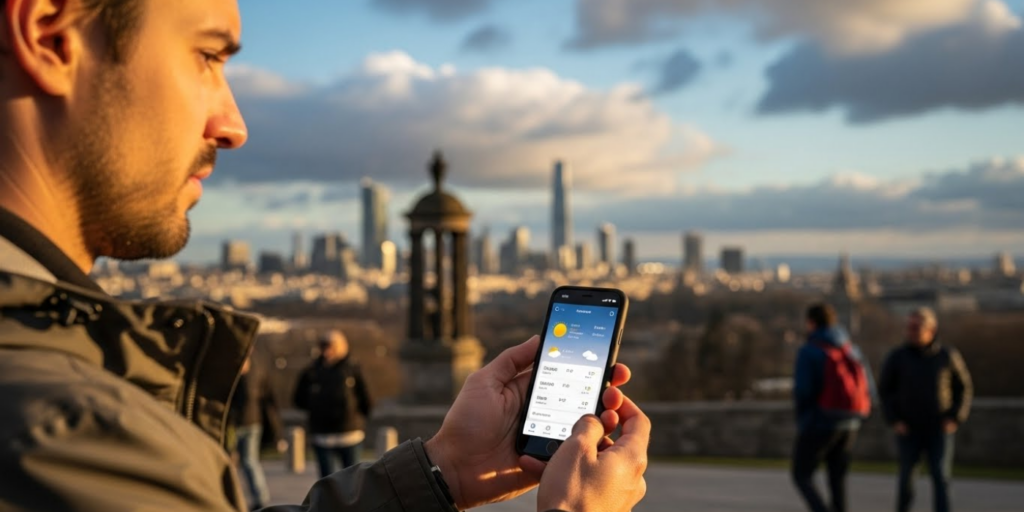
Most travelers think in terms of summer and winter—but many parts of the world don’t follow the four-season model. Southeast Asia has wet and dry seasons. The Mediterranean has a short, intense summer and a long, mild shoulder season. And in places like Kenya or Costa Rica, wildlife activity shifts dramatically with rainfall.
Start by researching the actual weather patterns, not just average temperatures. For example:
- Japan: Spring (March–April) brings cherry blossoms—but also massive crowds and soaring prices. Autumn (October–November) offers equally stunning foliage with fewer tourists.
- Greece: July and August are hot, crowded, and expensive. May or September? Warm seas, open restaurants, and half the crowds.
- Thailand: November to February is “cool” and dry—but also peak tourist season. Consider April (post-Songkran) for lower prices and lush greenery, despite occasional rain.
Pro tip: Use tools like WeatherSpark or Climate-Data.org to see monthly rainfall, humidity, and “real feel” temperatures—not just highs and lows.
Also, remember: “Off-season” doesn’t always mean closed. In many European cities (like Paris or Barcelona), museums and restaurants stay open year-round—just with shorter lines and better hotel deals in January or November.
By aligning your trip with the destination’s natural rhythm—not your hometown’s school calendar—you’ll avoid surprises and unlock richer experiences.
2. Consider Your Personal Travel Priorities
The “best” time hinges on what you value most. Ask yourself:
- Do I want perfect weather—or lower prices?
You usually can’t have both. Bali’s dry season (April–October) has ideal beach weather but higher costs. The wet season (November–March) brings rain—but also empty beaches, $20/night villas, and dramatic sunsets. - Am I seeking festivals or solitude?
Want to see Rio’s Carnival or Munich’s Oktoberfest? You’ll deal with crowds and premium pricing—but gain unforgettable energy. Prefer quiet temples in Kyoto? Avoid Golden Week (late April–early May) when Japan shuts down for holidays. - Do I need everything to be open?
In Italy’s coastal towns, many restaurants and B&Bs close entirely from November to March. But inland Tuscany or Umbria remain fully operational with cozy agriturismi open year-round. - What’s my tolerance for heat, cold, or rain?
Someone from Florida might find Lisbon in August unbearable, while a Scandinavian traveler finds it perfect.
Create a simple priority list:
✅ Ideal weather
✅ Low crowds
✅ Budget-friendly
✅ Cultural events
✅ Wildlife sightings
Rank them. Your top two will guide your decision. For instance, if “low crowds” and “budget” win, you’ll lean toward shoulder season—even if the weather is merely “good,” not perfect.
Remember: There’s no universal “best.” Only what’s best for you.
3. Use the “Shoulder Season Sweet Spot” Strategy
The secret weapon of savvy travelers? Shoulder season—the windows just before or after peak tourist times.
Why it works:
- Weather is often still excellent (e.g., May in Croatia: 75°F, sea warm enough to swim).
- Prices drop 20–40% compared to high season.
- Attractions are less crowded, meaning faster entry and more personal experiences.
- Locals are more relaxed and welcoming—not exhausted from months of tourist overload.
Examples of prime shoulder seasons:
- Morocco: March–April or October–November (avoid summer heat and winter chill).
- New Zealand: October–November (spring bloom) or March–April (autumn colors).
- Peru: April–May or September–October (dry, mild, fewer hikers on the Inca Trail).
- Iceland: May or September—long daylight hours without the summer rush or winter darkness.
Bonus: In many destinations, shoulder season aligns with local harvests or cultural transitions, offering unique experiences: truffle hunting in Piedmont (October), grape stomping in Portugal (September), or rice planting festivals in Bali (March).
How to find it: Search “[Destination] shoulder season” or “best month to visit [Destination] for fewer tourists.” Local travel blogs often highlight these golden windows better than generic guides.
This strategy turns “compromise” into competitive advantage—giving you nearly all the benefits of peak season, without the downsides.
4. Track Events, Holidays, and Local Closures
Even perfect weather can’t save you from arriving during a city-wide strike, a national holiday shutdown, or a music festival that books every hotel.
Always check for:
- Public holidays: In Spain, many businesses close during Semana Santa (Holy Week). In China, the Lunar New Year halts travel for days.
- Major events: Olympics, World Cups, or international conferences can double hotel prices overnight.
- Seasonal closures: Swiss mountain villages shut ski lifts in April–May; Caribbean islands reduce ferry schedules in September.
- Religious observances: During Ramadan, some restaurants in Muslim-majority countries only serve food after sunset.
Practical tools:
- Google “[Country] public holidays 2026”.
- Use Time and Date for global holiday calendars.
- Check government tourism sites—they often publish “travel advisories” about seasonal closures.
Real-life example: A couple booked a dream trip to Venice in November—only to arrive during acqua alta (high water season), when parts of St. Mark’s Square flood daily. Had they known, they could’ve packed boots—or shifted to October.
Pro move: Email your hotel or Airbnb host before booking: “Are there any local events or closures I should know about during my dates?” Their answer often reveals what websites won’t.
Being event-aware doesn’t mean avoiding festivals—it means planning around them intentionally.
5. Factor in Your Budget and Flight Patterns

Timing affects cost more than almost any other factor. According to Hopper’s 2024 Travel Report, booking a trip during peak season can cost up to 65% more than the same itinerary in shoulder season.
But it’s not just about when you go—it’s about when you book and how you search.
Smart budget tips:
- Fly mid-week: Tuesday and Wednesday flights are often cheapest.
- Avoid school holidays: North American spring break (March), European summer (July–August), and Chinese Golden Week (October) = price spikes.
- Use fare calendars: Google Flights’ price graph shows cheapest months at a glance.
- Be flexible by ±3 days: Shifting your dates slightly can unlock big savings.
Example: A round-trip from NYC to Lisbon in August might cost $1,200. In May? $650—with better weather than June and fewer crowds than September.
Also consider hidden costs: In high season, you’ll pay more for:
- Skip-the-line museum tickets
- Restaurant reservations
- Rental cars
- Even simple things like beach chair rentals
By choosing a smarter window, you free up budget for experiences, not just survival.
Conclusion
Choosing the best time to visit any destination isn’t about finding a magic date—it’s about making conscious trade-offs that align with who you are as a traveler. Do you crave perfect beach weather, or are you willing to swap a few rain showers for empty trails and authentic interactions? Would you pay extra to see a once-in-a-lifetime festival, or would you rather stretch your budget across two trips?
As you plan your next adventure, remember: the right timing transforms a good trip into a great one. It’s the difference between fighting crowds at the Louvre and having a quiet morning in a local Parisian gallery. Between sweltering on a packed beach and snorkeling in crystal-clear water with only a few fellow travelers in sight.
So before you book, pause. Ask the questions. Do the light research. Your future self—relaxed, delighted, and not overcharged—will thank you.
Now we’d love to hear from you: What’s your best (or worst) timing decision while traveling? Did you accidentally visit during a festival—or discover a perfect shoulder-season gem? Share your story in the comments below! And if this guide helped you, pass it on to a fellow traveler who’s still booking trips based on vacation days alone. Happy planning!

James Anderson is a passionate enthusiast of travel, fine dining, financial freedom, and personal performance. Always seeking new experiences and challenges, he believes in living life fully while continuously improving himself. For James, exploring new destinations, savoring unique culinary experiences, and striving for independence are not just hobbies—they are a lifestyle built on curiosity, growth, and the pursuit of excellence.