
Introduction
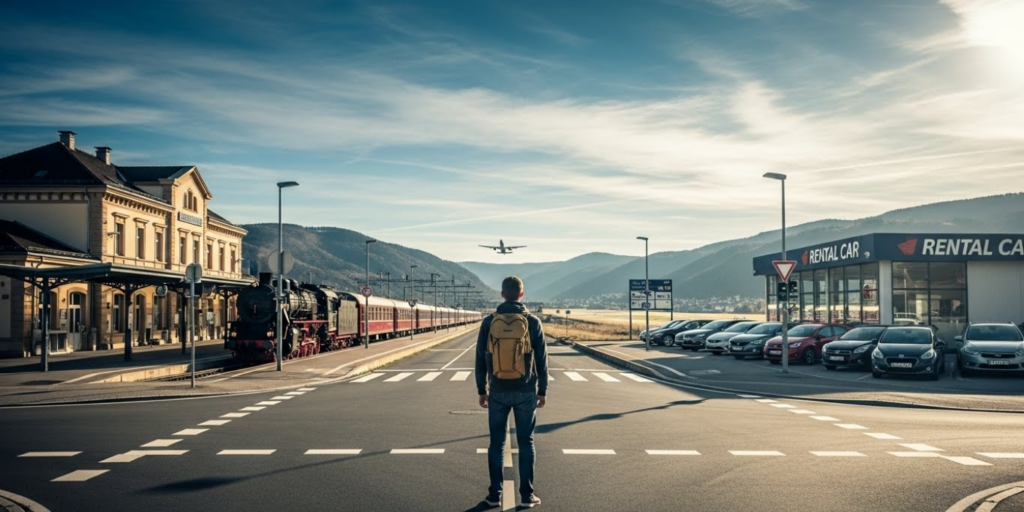
You’ve booked your flights, researched the top sights, and packed your favorite outfit—but have you thought about how you’ll actually get around once you arrive? The right transportation can turn a good trip into a great one, while the wrong choice can drain your budget, time, and energy before you even reach your first museum or beach.
Whether you’re navigating Tokyo’s subway, renting a scooter in Bali, or deciding between a rental car and a train in Tuscany, your mode of transport shapes your entire travel experience. It affects how much you’ll spend, how much you’ll see, how spontaneous you can be, and even how deeply you connect with a place.
In this guide, we’ll walk you through a practical, step-by-step approach to choosing the best transportation for any trip. You’ll learn how to match your options to your destination, travel style, group size, and budget—plus insider tips to avoid common pitfalls. By the end, you’ll move through any city or countryside with confidence, efficiency, and ease.
Let’s get you from point A to B—and everywhere in between—like a seasoned local.
1. Start with Your Destination: Not All Places Are Created Equal
The best way to get around depends entirely on where you’re going. A strategy that works in Amsterdam might fail in rural Morocco.
Ask yourself:
- Is the city walkable? Many European cities (like Prague, Lisbon, or Dubrovnik) have compact historic centers where driving is forbidden or parking costs $50/day. In these cases, walking + public transit is ideal.
- How developed is the public transport system? Cities like Berlin, Singapore, or Seoul have clean, efficient, and affordable subways. In contrast, places like Bangkok or Mexico City have extensive systems—but they can be overwhelming for first-timers.
- Is the countryside your focus? If you’re exploring the Scottish Highlands, Tuscany, or the American Southwest, a rental car gives you freedom to reach remote villages, hiking trails, and hidden viewpoints.
Pro tip: Use Google Maps before your trip. Type in routes between your planned stops and see how long each mode (walking, transit, driving) takes. This reveals whether you’ll need wheels or if a bike will suffice.
For example, in Kyoto, buses are more useful than subways for reaching temples—but a bicycle rental offers the most flexibility for under $10/day. In New York City, a subway pass beats rideshares for cost and speed. Know your terrain, and your transportation choice becomes obvious.
2. Match Transportation to Your Travel Style and Group

Your ideal ride also depends on who you are and who you’re with.
- Solo travelers: Often benefit from public transit or walking. It’s affordable, safe, and forces you to engage with local rhythms. Apps like Citymapper or Moovit make navigation easy.
- Couples or friends: Might enjoy bike rentals, scooters, or shared rideshares for spontaneity and shared experience.
- Families with kids: Need comfort and space. A rental car with car seats (booked in advance) or private transfers reduce stress. Strollers + subways = tricky.
- Luxury or relaxed travelers: May prefer private drivers, taxis, or ride-hailing apps for door-to-door convenience—especially when jet-lagged.
Real-life scenario: The Martinez family (two adults, two toddlers) chose a rental car for their Portugal trip. “Yes, it cost more,” says Maria, “but we stopped for playgrounds, packed snacks, and napped in the car. Public transit with strollers and diaper bags would’ve been chaos.”
Also consider mobility needs. If you or someone in your group uses a wheelchair, research accessibility ahead of time. Many historic cities have limited elevator access in stations.
Remember: The “coolest” option isn’t always the best fit. Choose what supports your comfort and goals—not Instagram aesthetics.
3. Compare Costs—Including Hidden Fees
Transportation costs add up fast, and the cheapest upfront option isn’t always the most affordable long-term.
Let’s break down common modes:
| Option | Best For | Avg. Daily Cost (USD) | Watch Out For |
|---|---|---|---|
| Public Transit | Cities with good systems | $5–$15 | Confusing routes; no luggage space |
| Rental Car | Rural areas, road trips | $40–$100+ | Insurance, fuel, tolls, parking fees |
| Rideshares | Short trips, late nights | $10–$30 per ride | Surge pricing; not budget-friendly for daily use |
| Bike/Scooter | Flat, bike-friendly cities | $10–$25 | Helmet laws; theft risk; weather-dependent |
| Walking | Compact historic centers | $0 | Limited range; not for long distances |
Hidden costs to consider:
- Rental cars: “Free” insurance may not cover damage; gas in Europe is $7+/gallon; city centers often charge congestion fees (e.g., London’s £15/day).
- Public transit: Tourist passes sound great—but if you’re only taking 2–3 rides/day, a pay-as-you-go card may be cheaper.
- Taxis: Always confirm if the meter is on or agree on a fare upfront (common in Southeast Asia, Latin America).
Smart move: Calculate your estimated weekly cost for each option. If you’ll take 10 Uber rides at $20 each ($200), a $60/week rental car might save money—and offer flexibility.
4. Prioritize Safety, Convenience, and Local Culture
Beyond cost, consider safety, ease of use, and cultural respect.
Safety first:
- In some countries, unmarked taxis or moto-taxis can be risky—opt for official cabs or app-based rides (Uber, Bolt, Grab).
- Rental cars: Avoid driving at night in unfamiliar rural areas, especially in countries with poor road conditions.
- Public transit: Be vigilant about pickpockets in crowded metros (common in Paris, Rome, Barcelona).
Convenience matters:
- If you land at 11 p.m., a pre-booked airport transfer beats fumbling with bus schedules.
- Language barriers: In places where English is limited, download offline maps or use apps with voice navigation.
Go local: Sometimes, the most authentic—and efficient—way to travel is the one locals use. In Vietnam, hop on a Grab (like Uber for bikes). In Turkey, use the Havabus shuttle from the airport. In Colombia, the TransMilenio bus system is faster than cabs in Bogotá.
Cultural insight: In many countries, tuk-tuks, songthaews (shared trucks), or colectivos (shared vans) aren’t “tourist traps”—they’re daily lifelines. Using them respectfully (learn basic fare negotiation, don’t haggle aggressively) connects you to real life.
Transportation isn’t just logistics—it’s part of the adventure.
5. Plan for Flexibility—and Have a Backup
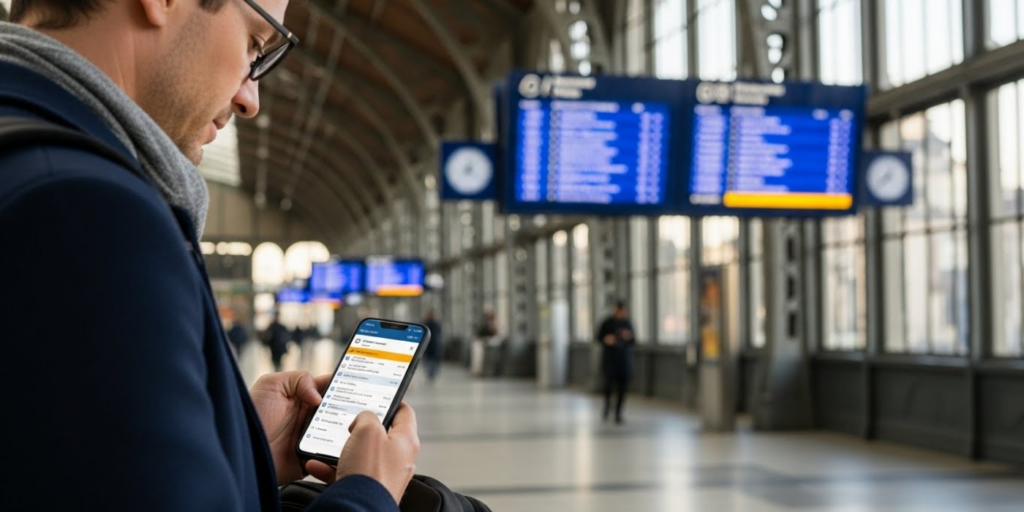
Even the best-laid plans can derail. Trains get delayed. Rental cars break down. Bike-share apps glitch.
Build in buffers:
- If catching a flight, leave extra time for traffic or transit delays.
- Keep local emergency contacts saved: your hotel, embassy, and a trusted local driver.
- Download offline maps (Google Maps, Maps.me) and translation apps (Google Translate) before you go.
Have a Plan B:
- In cities with spotty transit, know which ride-hailing apps work (e.g., DiDi in China, Bolt in Europe).
- If renting a car, take photos of any existing damage before driving off—disputes are common.
- For solo female travelers, share your route with someone back home when using unfamiliar transport.
Pro tip: Carry small bills in local currency. Many local buses, tuk-tuks, or vendors don’t accept cards—and you’ll avoid overpaying due to “no change” scams.
Flexibility isn’t about expecting problems—it’s about traveling with peace of mind.
Final Thoughts: Your Journey Is Part of the Story
How you move through a place shapes how you experience it. Walking through a medina lets you smell the spices and hear street musicians. Riding a train through the Alps gives you panoramic views no car window can match. Even a delayed bus can lead to a conversation with a local who shares their lunch.
The best transportation isn’t the fastest or cheapest—it’s the one that enhances your connection to the place and your people.
Conclusion
Choosing the best transportation for your trip comes down to four key questions: Where am I going? Who am I with? What’s my budget? And what kind of experience do I want? By matching your mode of transport to your destination’s layout, your group’s needs, your finances, and your values, you’ll move through your journey with ease, safety, and authenticity.
Don’t just plan your itinerary—plan how you’ll flow through it. Whether you’re strolling cobblestone alleys, zipping on a scooter, or cruising scenic highways, your transportation choice is your first act of engagement with a new world.
We’d love to hear from you! What’s your go-to way to get around when you travel? Have you ever had a transportation fail—or a magical local ride you’ll never forget? Share your stories or tips in the comments below! And if this guide helped you travel smarter, please share it with a friend planning their next adventure. Safe travels—and smooth rides ahead!

James Anderson is a passionate enthusiast of travel, fine dining, financial freedom, and personal performance. Always seeking new experiences and challenges, he believes in living life fully while continuously improving himself. For James, exploring new destinations, savoring unique culinary experiences, and striving for independence are not just hobbies—they are a lifestyle built on curiosity, growth, and the pursuit of excellence.