Introduction
Let’s be honest: no one books a 14-hour flight for the in-flight experience. Between cramped seats, recycled air, and the mystery of airplane food, long-haul travel can feel more like an endurance test than a journey. But here’s the good news—comfort on long flights isn’t a matter of luck; it’s a matter of preparation.
Whether you’re flying economy to Tokyo, business class to Paris, or anywhere in between, small choices before and during your flight can make a huge difference in how you feel when you land. And it’s not just about physical ease—your mental well-being, sleep quality, and even jet lag recovery are deeply tied to how you handle those hours in the air.
In this guide, we’ll share practical, field-tested tips to help you stay relaxed, rested, and refreshed—even on the longest flights. From what to pack in your carry-on to how to move your body mid-air, these strategies are designed for real travelers with real budgets. No first-class ticket required.
So if you’re tired of arriving at your destination stiff, groggy, and already exhausted, keep reading. Your most comfortable flight ever starts before you even board.
1. Choose the Right Seat—It Makes All the Difference
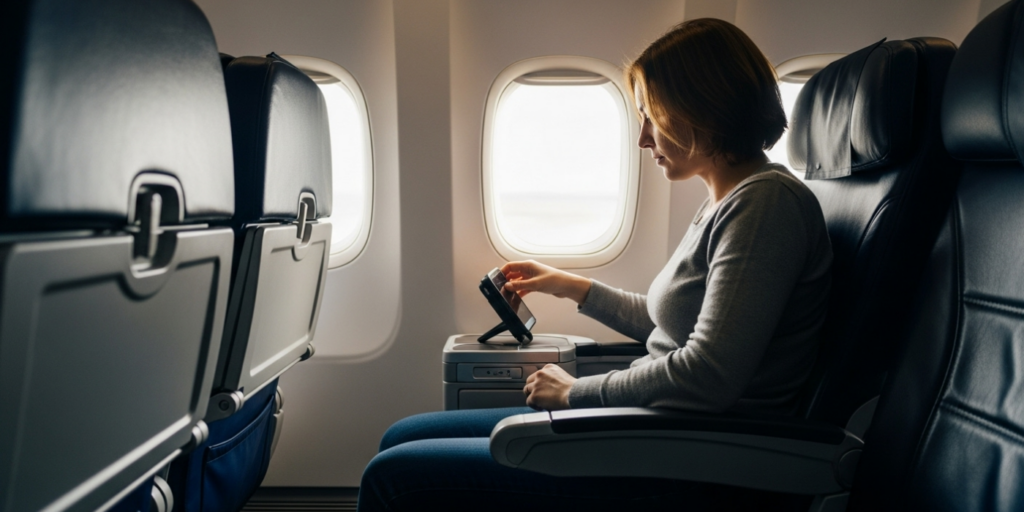
Your seat can dramatically impact your comfort, and you don’t need an upgrade to get it right. Where you sit matters almost as much as how you prepare.
Aisle seats offer freedom: easy bathroom access, leg-stretching room, and the ability to stand up without climbing over strangers. Window seats provide a wall to lean on for sleeping and unbeatable views—but come with the trade-off of being “trapped” during snack service or when your neighbor needs out.
Pro tip: Use seat-selection tools like SeatGuru or Aerolopa to check your aircraft’s layout. Look for:
- Extra legroom seats (often near exits—but confirm you’re eligible to sit there)
- Seats away from galleys and lavatories, which are noisy and high-traffic
- Bulkhead rows, which offer more knee space (though tray tables may be in armrests)
If you’re flying with a companion, consider booking aisle seats across from each other—many couples swear by this for easy conversation without shared armrest wars.
Remember: Even in economy, a well-chosen seat can mean the difference between tossing and turning and catching a few hours of rest. So spend five minutes researching—it’s free comfort.
2. Pack a Thoughtful In-Flight Comfort Kit
Your carry-on isn’t just for your laptop and snacks—it’s your personal comfort command center. What you bring onboard determines how you’ll feel after hour 8.
Start with the basics:
- Noise-canceling headphones or high-quality earplugs (airplane cabins hover around 85 decibels—equivalent to city traffic)
- An eye mask (not just for sleeping—blocking light helps signal your brain it’s rest time)
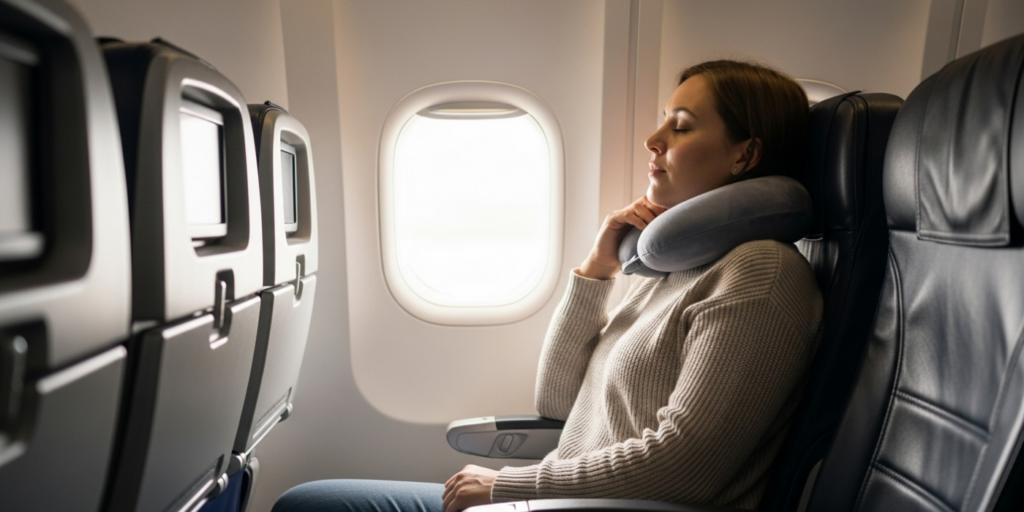
- A compact travel pillow (neck pillows with wrap-around support prevent the dreaded head-bob)
- Compression socks (recommended by doctors to reduce swelling and lower the risk of deep vein thrombosis on flights over 4 hours)
Don’t forget hydration essentials:
- An empty reusable water bottle (fill after security)
- Lip balm and moisturizer (cabin humidity can drop below 20%—drier than most deserts!)
- Saline nasal spray to combat dry sinuses
Bonus items:
- A lightweight scarf or pashmina (doubles as a blanket, eye shade, or pillow)
- Wet wipes or facial mist for quick refreshes
- A few healthy snacks (nuts, protein bars) to avoid relying solely on in-flight meals
Think of your comfort kit as insurance against discomfort. It’s small, light, and pays dividends in well-being.
3. Dress for Success—Not for Style
That cute outfit might look great in your travel pics, but if it’s tight, scratchy, or hard to move in, it’ll haunt you by hour six. Prioritize function over fashion when flying.
Opt for loose, breathable layers:
- Soft joggers or stretchy pants (no zippers or tight waistbands)
- A comfortable top (cotton or moisture-wicking fabric)
- Slip-on shoes that are easy to remove at security and swell-friendly if your feet puff up
Avoid:
- Jeans (they stiffen and restrict circulation)
- Sandals (your feet may get cold, and you’ll need socks for hygiene)
- New shoes (blisters mid-flight are the worst)
Layering is key because cabin temperatures can swing from chilly to stuffy. A zip-up hoodie or cardigan lets you adjust without rummaging through your bag.
And yes—wear socks. Not only do they keep your feet warm, but going barefoot on a plane floor (even with shoes off) exposes you to germs. Bring a clean pair just for flying.
As one frequent flyer puts it: “I dress like I’m going to a very quiet, very long nap party—and I always win.”
4. Move, Breathe, and Hydrate—Your Body Will Thank You
Sitting still for hours isn’t just boring—it’s bad for your circulation, digestion, and energy levels. Movement is your secret weapon against stiffness and fatigue.
Aim to get up and walk the aisle every 60–90 minutes. Not only does this boost blood flow, but it also reduces the risk of blood clots. If the seatbelt sign is on, do seated exercises:
- Ankle circles and foot pumps
- Shoulder rolls and neck stretches (gentle!)
- Seated spinal twists
Hydration is equally crucial. Airplane cabins dehydrate you faster than you realize. Drink water consistently—aim for 8 oz per hour—and skip alcohol and caffeine, which worsen dehydration and disrupt sleep.
Breathing matters, too. Practice slow, deep belly breathing to calm your nervous system. Try the 4-7-8 method: inhale for 4 seconds, hold for 7, exhale for 8. Repeat 3–4 times. It’s a discreet way to reduce anxiety and encourage relaxation.
Studies show that passengers who move and hydrate regularly report less jet lag, better sleep, and higher energy upon arrival. Your body wasn’t built to sit motionless for 12 hours—so don’t ask it to.
5. Master the Art of In-Flight Sleep
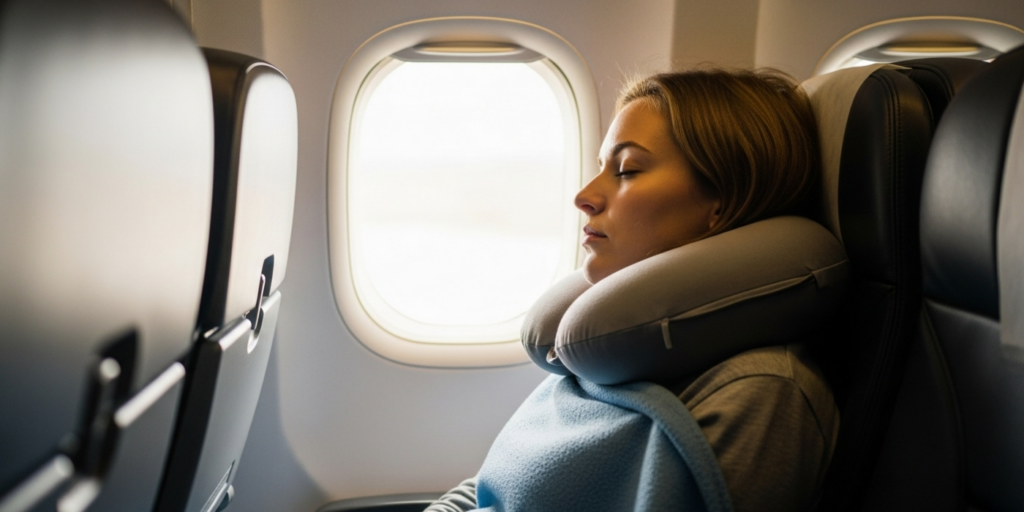
Sleeping on a plane is tough—but not impossible. The key? Create a sleep-friendly mini-environment, even in economy.
First, sync with your destination’s time zone. If it’ll be nighttime when you land, try to sleep on the plane. If it’ll be morning, stay awake and nap later. This helps reset your internal clock faster.
Use your comfort kit:
- Put on your eye mask and headphones
- Spray a calming scent (like lavender) on your scarf or wrist
- Use a neck pillow that supports your chin without tilting your head forward
Avoid heavy meals before sleep—opt for a light snack instead. And never sleep with your seat upright if you’re prone to neck pain; recline slightly (politely!) or use a small rolled towel behind your lower back for support.
If you struggle to fall asleep, try progressive muscle relaxation: tense and release each muscle group from toes to head. It’s a proven technique used by pilots and flight attendants alike.
Remember: even 90 minutes of quality rest can dramatically improve how you feel post-landing. You don’t need 8 hours—you just need some rest.
6. Manage Your Mindset—Comfort Starts in Your Head
Physical comfort is only half the battle. Your mental state plays a huge role in how you experience a long flight.
Instead of dreading the hours ahead, reframe the flight as “me time.” No emails, no chores, no decisions—just you, a book, a podcast, or your thoughts. This mental shift alone can reduce perceived discomfort.
Bring entertainment that truly engages you:
- Download movies, shows, or audiobooks before you board
- Pack a physical book or journal (screen-free options reduce eye strain)
- Try a meditation app like Calm or Headspace (many offer “sleep” or “travel” sessions)
And if turbulence or anxiety creeps in, focus on what you can control: your breath, your posture, your next sip of water. Let go of the rest.
Frequent travelers often say the difference between a “bad” flight and a “bearable” one isn’t the seat—it’s the attitude. You can’t control the airline, but you can control your response.
Conclusion: Arrive Refreshed, Not Wrecked
Long flights don’t have to leave you drained. By choosing your seat wisely, packing smart, dressing for comfort, moving regularly, sleeping strategically, and managing your mindset, you take back control of your in-flight experience.
These tips aren’t about luxury—they’re about intentionality. You don’t need a lie-flat bed to feel good; you just need a plan and a few thoughtful habits.
Because the real goal of travel isn’t just to reach a destination—it’s to arrive there ready to enjoy it. And that starts the moment you step on the plane.
So next time you book a long-haul flight, treat comfort like a priority, not an afterthought. Your body—and your future self—will thank you.
What’s your go-to trick for staying comfortable on long flights? Do you swear by compression socks, a favorite travel blanket, or a specific sleep routine? Share your best tip in the comments below—let’s help fellow travelers fly better, together!

James Anderson is a passionate enthusiast of travel, fine dining, financial freedom, and personal performance. Always seeking new experiences and challenges, he believes in living life fully while continuously improving himself. For James, exploring new destinations, savoring unique culinary experiences, and striving for independence are not just hobbies—they are a lifestyle built on curiosity, growth, and the pursuit of excellence.