Introduction
There’s something magical about train travel—the rhythmic clack of wheels on tracks, panoramic views unfolding like a living postcard, and the freedom to stretch your legs without turbulence or security lines. But let’s be honest: after hour six, that magic can fade fast if you’re stiff, hungry, or bored.
Whether you’re riding the Trans-Siberian Railway, Amtrak’s California Zephyr, or Europe’s high-speed TGV, comfort is the difference between a memorable journey and a grueling slog.
The good news? With a little planning and the right mindset, even an 8- or 12-hour ride can feel restful, productive, or even luxurious. You don’t need a first-class ticket—just smart strategies for your body, your gear, and your mood.
In this guide, we’ll walk you through seven essential tips to stay comfortable on long train rides: from choosing the best seat and packing a comfort kit, to staying nourished, moving your body, and protecting your peace. Whether you’re a solo traveler, a family, or a digital nomad, these tips will help you arrive refreshed—not frazzled.
Because the journey is the destination—and you deserve to enjoy every mile.
1. Choose the Right Seat (It Matters More Than You Think)
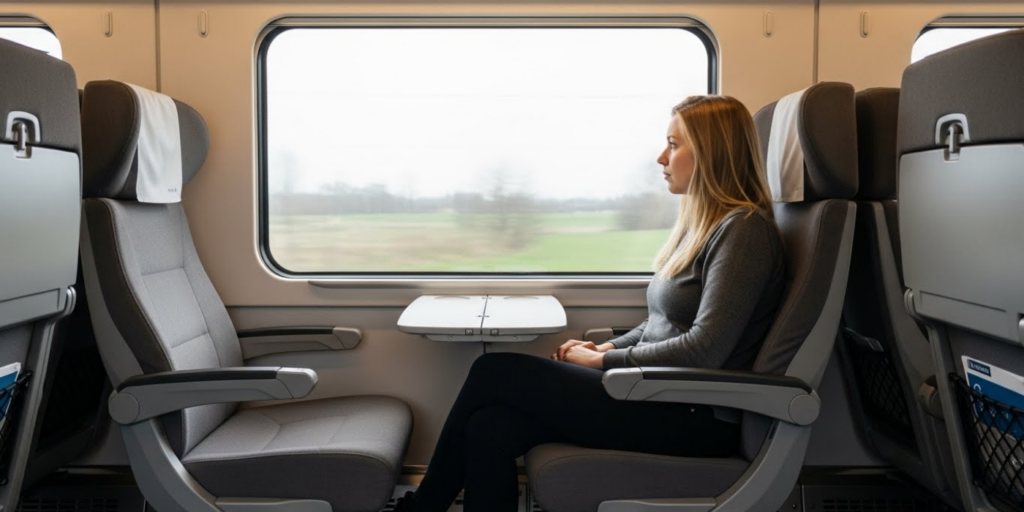
Not all train seats are created equal. Where you sit can affect your views, legroom, noise level, and even bathroom access.
Window seat: Best for scenery lovers and nappers (you can lean against the wall). But you’ll need to climb over others to use the restroom.
Aisle seat: Ideal if you plan to walk around, stretch, or grab snacks frequently. Great for claustrophobic travelers.
Avoid:
- Seats near doors or restrooms (constant foot traffic and noise)
- Back-to-back seats in open cars (less privacy, more distractions)
- Forward-facing vs. backward-facing: Some people get motion sickness facing backward—check seat orientation when booking.
Pro tip: On overnight trains (like Europe’s Nightjet or India’s sleeper classes), book a lower bunk if possible—it’s easier to get in and out, and you won’t feel “trapped” under someone else’s feet.
Bonus: Many rail apps (like Omio or Trainline) let you select your seat during booking—use this feature! A quiet corner seat by the window can transform your entire experience.
2. Pack a Personal Comfort Kit
Your carry-on is your mobile sanctuary. Fill it with items that soothe your senses and support your body.
Essentials for your comfort kit:
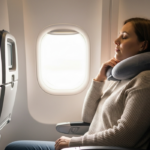
- Neck pillow: Choose a compact, washable one (like Trtl or Cabeau)
- Eye mask & earplugs (or noise-canceling headphones)
- Reusable water bottle (fill after security)
- Snacks: Nuts, fruit, protein bars—avoid smelly or crumbly foods
- Mini blanket or scarf (train AC can be freezing!)
- Moisturizer & lip balm (dry cabin air is real)
- Hand sanitizer & wet wipes (for freshening up pre-meal)
For overnight rides:
- Toothbrush and mini toothpaste
- Face wipes or a travel towel
- Slip-on shoes or cozy socks (easy to remove at security and comfy onboard)
Real-life win: On a 10-hour Amtrak ride from Chicago to New Orleans, my scarf doubled as a blanket, pillow, and sunshade—and my almonds kept me from overpaying for vending machine junk.
Remember: You don’t need luxury—just thoughtful simplicity.
3. Dress for Success (Not Style)
Train travel is not a fashion show. Comfort should always trump trends.
Wear:
- Layers: Temperatures swing wildly—from sweltering stations to icy cabins
- Soft, stretchy fabrics: Think joggers, leggings, or loose cotton pants
- Breathable tops: Moisture-wicking or natural fibers (cotton, linen, merino)
- Comfortable shoes: Slip-ons that pass security but support walking (like Allbirds or Ecco)
Avoid:
- Jeans (they stiffen and chafe on long sits)
- Tight waistbands or restrictive clothing
- New shoes (blisters + no escape = misery)
Pro move: Pack a change of clothes in your carry-on for overnight trips. Fresh socks and a clean tee can make you feel human again by morning.
Personal tip: I once wore “comfy pants” that looked like dress trousers but felt like pajamas—best of both worlds!
4. Stay Hydrated and Eat Smart
Dehydration is a silent comfort killer. It causes fatigue, headaches, and irritability—and train air is notoriously dry.
Hydration strategy:
- Bring an empty reusable bottle and fill it post-security
- Sip water every 30–60 minutes (set a phone reminder if needed)
- Limit alcohol and caffeine, which dehydrate you
Food wisdom:
- Don’t rely on dining cars—they’re often expensive and sell out
- Pack balanced snacks: protein + fiber + healthy fats (e.g., apple + almond butter packets)
- Avoid garlicky, fishy, or overly fragrant foods—your seatmates will thank you
For international rides: In Europe, grab a picnic at the station—many (like Paris Gare de Lyon or Berlin Hauptbahnhof) have amazing bakeries, cheese shops, and wine bars. In Japan, ekiben (train bento boxes) are a delicious, affordable tradition.
Bonus: Some trains (like Switzerland’s Glacier Express) offer included meals in first class—worth the splurge for foodies!
5. Move Your Body—Even in Tight Spaces
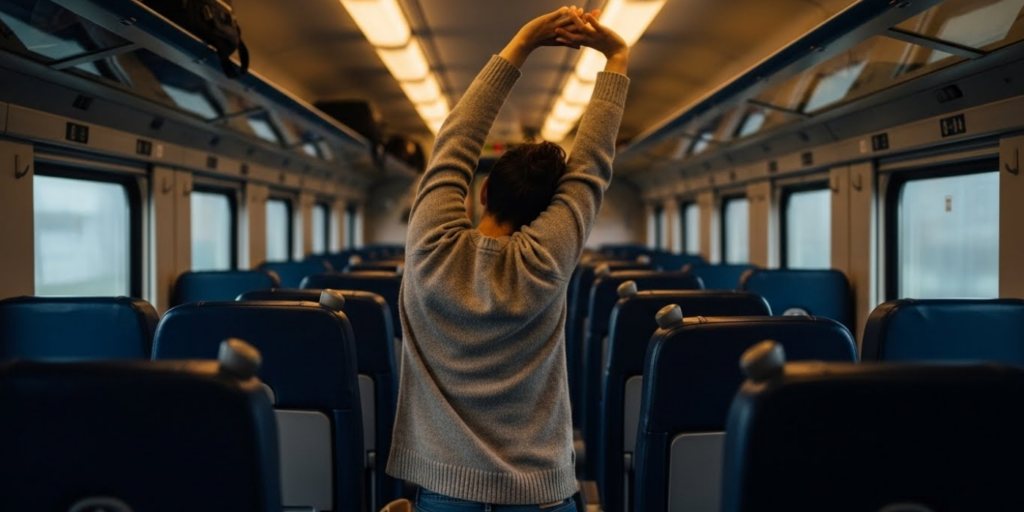
Sitting for hours slows circulation, stiffens joints, and tanks your energy. But you don’t need a gym—just micro-movements.
Every 60–90 minutes, do this:
- Stand up and walk the length of the car (great for leg circulation)
- Do seated stretches: ankle rolls, shoulder shrugs, neck tilts
- Visit the dining or observation car—even if you’re not buying anything
On scenic routes (like Norway’s Flåm Railway or Canada’s Rocky Mountaineer), spend time in the observation car—standing, stretching, and soaking in views.
For overnight travelers: Do a 5-minute “hotel room” routine in the vestibule: forward bends, calf raises, deep breaths.
Why it works: Movement boosts blood flow, reduces DVT risk, and resets your mood. Plus, you’ll sleep better later.
6. Protect Your Peace—Mentally and Physically
Trains are social spaces—but that doesn’t mean you owe anyone your attention.
Set boundaries gently:
- Put on headphones (even if music is off)—it’s a universal “do not disturb” sign
- Use a scarf or light blanket as a visual barrier
- Smile but keep conversations light unless you’re in the mood
Manage noise:
- Use white noise or calming playlists (try “train sounds” on Spotify—they’re oddly soothing!)
- Carry foam earplugs for snorers or crying babies
Digital detox tip: Download offline books, podcasts, or calming apps (like Calm or Insight Timer) before departure. Avoid doomscrolling—it drains energy.
Remember: It’s okay to say no to chatty neighbors or unsolicited advice. Your comfort is valid.
7. Embrace the Rhythm—Let the Train Do the Work
Finally, shift your mindset. Instead of fighting the journey, lean into its natural rhythm.
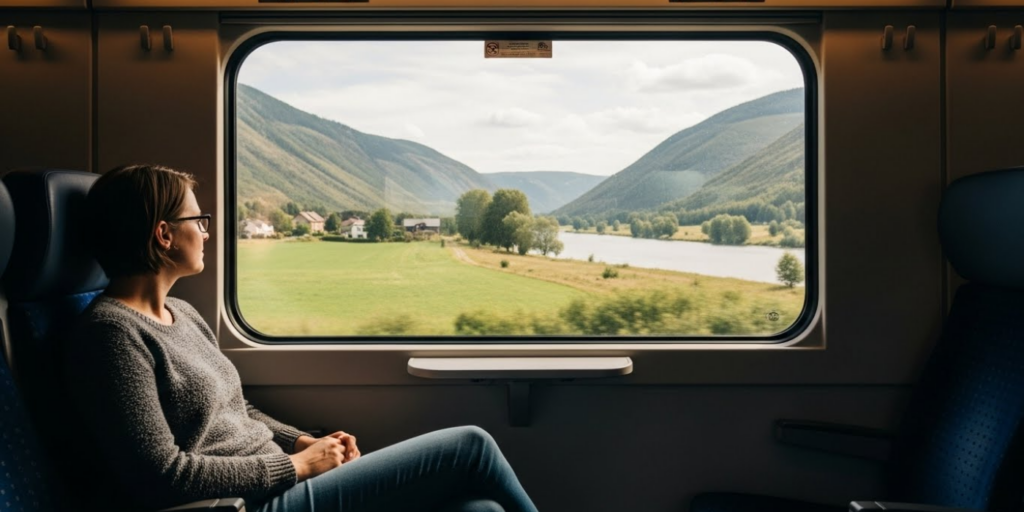
Trains move at a human pace. There’s no rushing to deplane. No baggage claim chaos. You’re free to read, nap, journal, or simply stare out the window as landscapes change.
Try this:
- Unplug for one hour and just observe
- Write postcards to loved ones from scenic stops
- Practice mindfulness: Notice the sounds, the light, the sway of the car
True story: On a 14-hour ride through the Swiss Alps, I put my phone away and watched glaciers, waterfalls, and villages pass by. I arrived not just at my destination—but centered, inspired, and calm.
That’s the magic of train travel: It forces you to slow down. And in that slowness, you often find joy.
Bonus: Special Tips for Families and Solo Travelers
Traveling with kids?
- Bring quiet activities: coloring books, sticker sets, audiobooks
- Choose seats near the family car or play area (many European trains have them)
- Pack extra snacks and a change of clothes (for them and you)
Solo travelers:
- Sit in car 6 or 7 on European trains—often designated quiet zones
- Use the trip to plan your itinerary or journal your thoughts
- Stay aware of your belongings—but don’t let fear steal your peace
Quick Checklist: Your Long Train Ride Comfort Kit
✅ Book the best seat in advance (window, quiet zone, lower bunk)
✅ Pack layers, slip-on shoes, and cozy socks
✅ Bring water, healthy snacks, and a reusable bottle
✅ Include neck pillow, eye mask, and noise-canceling headphones
✅ Plan movement breaks every 60–90 minutes
✅ Download offline entertainment and set digital boundaries
✅ Embrace the journey—let yourself be present
Conclusion
Long train rides don’t have to be endurance tests. With the right preparation and mindset, they can become some of your most restorative, scenic, and soulful travel experiences.
By choosing your seat wisely, dressing for comfort, staying nourished, moving your body, and protecting your peace, you’ll arrive not just on time—but refreshed, inspired, and ready for what’s next.
And sometimes, the best part of a trip isn’t the destination at all. It’s the quiet hours between cities, when the world blurs past your window and you finally breathe.
So next time you book a train, don’t just pack your bag—pack your intention to be kind to yourself. You’ve earned the comfort.
We’d love to hear from you! What’s your favorite long train route? Do you have a secret comfort tip that’s gotten you through epic rides? Share your story in the comments below—your wisdom could help another traveler find their calm on the rails!
And if this guide helped you rethink train travel, please share it with a friend who’s planning a scenic journey. Because everyone deserves to ride in comfort—and arrive with joy.
All aboard!

James Anderson is a passionate enthusiast of travel, fine dining, financial freedom, and personal performance. Always seeking new experiences and challenges, he believes in living life fully while continuously improving himself. For James, exploring new destinations, savoring unique culinary experiences, and striving for independence are not just hobbies—they are a lifestyle built on curiosity, growth, and the pursuit of excellence.