

Introduction
We’ve all been there: frantically digging through a suitcase at 3 a.m. for a charger that’s definitely somewhere, only to realize you left it at home. Or standing in a foreign train station, heart racing, because your printed itinerary is buried under snacks, sunscreen, and three different currencies.
Travel is supposed to be exciting—not stressful. Yet without a little structure, even dream vacations can unravel into chaos.
The good news? Staying organized isn’t about rigid control—it’s about creating simple systems that give you more freedom, not less. When your logistics are in order, you have more mental space to be present, spontaneous, and truly enjoy the journey.
In this guide, we’ll walk you through practical, stress-reducing strategies to stay organized before and during your trip—from pre-departure checklists to on-the-road hacks that seasoned travelers swear by. Whether you’re jetting off for a weekend or backpacking for months, these tips will help you travel smarter, smoother, and with a lot less “Where did I put that?!”
Let’s turn travel prep from overwhelming to empowering.
1. Build a Pre-Trip Checklist (and Stick to It)
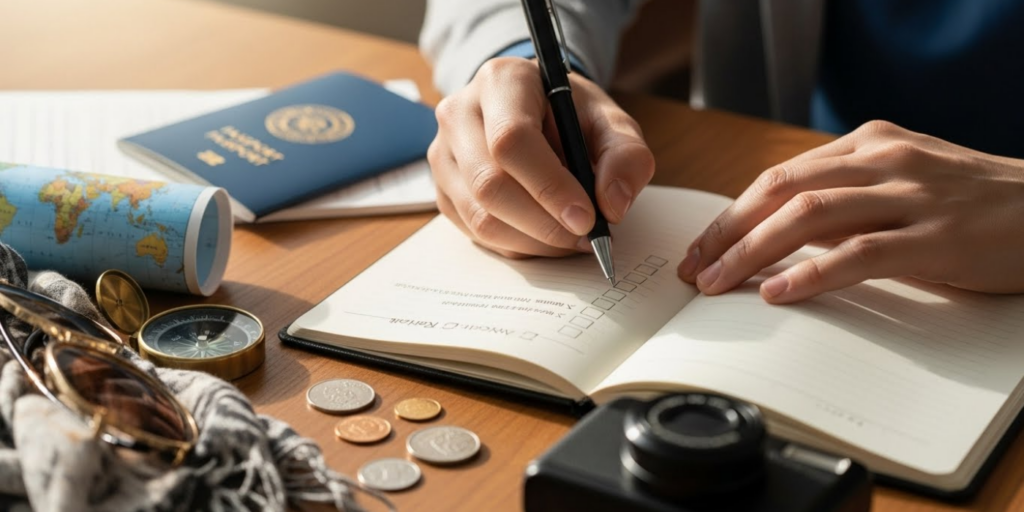
The foundation of any organized trip starts weeks before you leave—not the night before. A well-structured checklist prevents last-minute panic and ensures nothing important slips through the cracks.
Start by creating a master list divided into categories:
- Documents (passport, visa, ID, insurance, reservations)
- Packing (clothes, toiletries, electronics, medications)
- Home prep (stop mail, water plants, set thermostat)
- Money & tech (notify bank, exchange currency, download apps)
Pro tip: Use a digital tool like Google Keep, Notion, or TripIt—or go old-school with a printed sheet taped to your fridge. The key is visibility. Check off items as you go, and you’ll avoid that “Did I forget something?” dread at the airport.
Real-life example: Sarah used to forget her international adapter on every trip. Now, she keeps it in a small pouch labeled “Travel Essentials” that never leaves her carry-on. Problem solved.
Bonus: Set calendar reminders! Schedule alerts for:
- Passport renewal (many countries require 6+ months validity)
- Booking airport transfers
- Pre-checking in for flights (saves time and secures better seats)
A checklist isn’t about perfection—it’s about peace of mind. And that begins long before you zip up your suitcase.
2. Digitize and Centralize Your Travel Info
Imagine this: your flight is delayed, your phone dies, and your hotel confirmation is buried in your email inbox—which you can’t access. Suddenly, you’re stranded with no proof of where you’re supposed to go.
This scenario is far too common. But it’s 100% avoidable with smart digital organization.
Start by creating a single digital hub for all your trip details. Options include:
- TripIt: Forward confirmation emails, and it auto-builds a master itinerary
- Google Drive folder: Save PDFs of boarding passes, hotel bookings, car rentals, and travel insurance
- Notes app: Create one note titled “[Destination] Trip – All Info” with addresses, phone numbers, and key links
Crucially: Download everything offline. Screenshots of reservations, offline Google Maps of your neighborhood, and even your insurance policy PDF can be lifesavers when Wi-Fi is spotty or nonexistent.
Also: Share your itinerary with a trusted friend or family member. If something goes wrong, they’ll know where you’re supposed to be.
Why this works: Having all your info in one place—accessible without internet—means you’re never “lost,” even when plans change. You become your own travel agent, ready to adapt with confidence.
3. Pack Smart with Systems, Not Just Lists
Packing isn’t just about what you bring—it’s about how you organize it. A well-packed bag saves time, reduces stress, and even helps you avoid airline fees.
Start with the right luggage:
- A carry-on with compartments (like a spinner with a front “quick-access” pocket) keeps essentials—passport, snacks, headphones—within reach.
- Use packing cubes to separate categories: tops, bottoms, underwear, tech. No more digging!
- Keep toiletries in a clear, TSA-approved bag—and store it in an outer pocket for fast security screening.
Pro packing hacks:
- Roll clothes to save space and reduce wrinkles
- Wear your bulkiest items (jacket, boots) on the plane
- Pack a mini “first-night kit” in your carry-on: toothbrush, sleep shirt, phone charger—so you’re comfortable even if your checked bag is delayed
For longer trips: Bring a foldable tote bag. It’s perfect for souvenirs, laundry, or a grocery run—and takes up zero space when empty.
Remember: Organization isn’t about minimalism—it’s about efficiency. When everything has a home, you spend less time searching and more time exploring.
4. Set Up Financial and Tech Systems Before You Go
Money and tech chaos can derail even the best-planned trips. A frozen card, surprise fees, or a dead phone can turn a sunny day into a crisis.
Before you leave:
- Notify your bank and credit card companies of your travel dates and destinations. This prevents fraud alerts from blocking your cards abroad.
- Get a no-foreign-transaction-fee card (like Chase Sapphire or Capital One). Save yourself 3% on every purchase.
- Carry multiple payment methods: one card in your wallet, one in your suitcase, and a small amount of local cash for arrival.
For tech:
- Download key apps offline: Google Translate (with language packs), Maps, airline apps, and your hotel’s app
- Bring a universal power adapter and a portable charger (aim for 10,000mAh+ for multiple phone charges)
- Enable two-factor authentication on travel accounts—and save backup codes in your password manager
Safety net: Keep a photo of your passport and credit cards in a secure cloud folder (or emailed to yourself). If they’re lost or stolen, you can quickly share details with authorities.
These small steps might take 20 minutes—but they prevent hours of stress in a foreign city with no backup plan.
5. Stay Organized On the Road with Simple Daily Habits
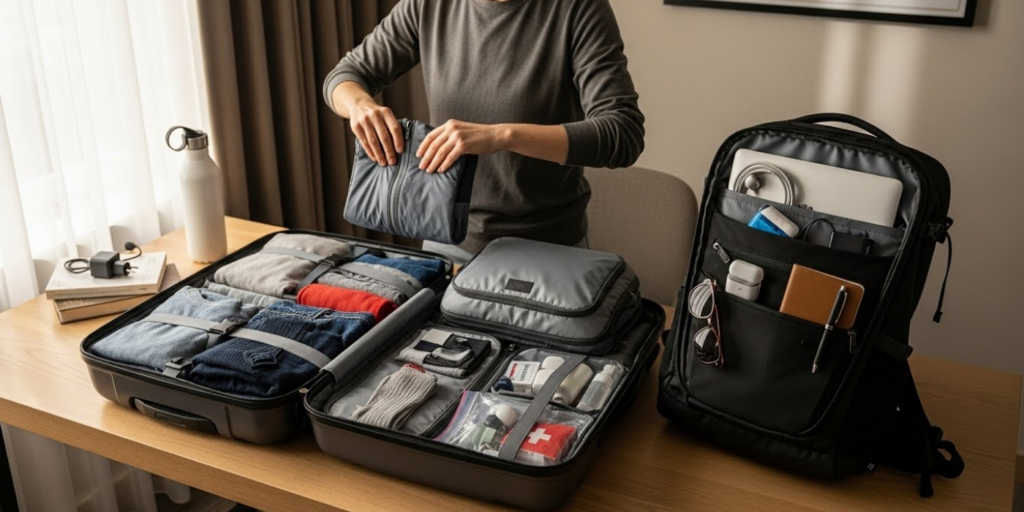
Organization doesn’t stop when you land. In fact, on-trip habits are what keep your journey running smoothly day after day.
Adopt the “Evening Reset” ritual:
- Lay out tomorrow’s outfit
- Charge all devices overnight
- Check the weather and your schedule for the next day
- Tidy your bag—toss receipts, reorganize packing cubes
This 5-minute routine ensures you wake up ready to go, not scrambling.
Also: Use a small notebook or notes app to jot down:
- Restaurant names you want to try
- Local phrases you hear
- Directions scribbled by a kind stranger
And keep a consistent spot for essentials—like your room key or transit pass. Whether it’s a specific pocket or a mini pouch, “a place for everything” prevents frantic searches.
Pro mindset: Think like a minimalist. Every item you carry should earn its place. If you haven’t used it in three days, consider leaving it behind (or shipping it home).
By building these tiny habits, you create rhythm in the chaos—turning travel from exhausting to energizing.
6. Handle Emergencies Calmly with a Backup Plan
Even the most organized travelers face surprises: lost luggage, missed connections, sudden illness. But organization includes planning for the unexpected.
Build a “travel emergency kit”:
- $50–100 in local currency or U.S. dollars (hidden separately from your wallet)
- A printed copy of your passport, insurance, and emergency contacts
- Basic meds (pain reliever, antidiarrheal, allergy pills)
- A backup SIM card or portable Wi-Fi device
Know your resources:
- Save the local U.S. embassy number
- Bookmark your airline’s customer service line
- Know how to file a lost luggage claim (usually within 24 hours)
Real example: When Mark’s flight to Lisbon was canceled, he used his pre-downloaded offline map to find a hotel, called his insurer via local SIM, and rebooked using airline app credits—all before panic set in.
The truth: You can’t prevent every problem. But with a backup plan, you respond instead of react—turning stress into resilience.
Conclusion: Organization = Freedom to Explore
Staying organized before and during your trip isn’t about rigid control or obsessive planning. It’s about removing friction so you can focus on what really matters: the people, the places, and the moments that make travel unforgettable.
From building a simple checklist to digitizing your documents, packing with purpose, and preparing for the unexpected, each small system adds up to more confidence, less stress, and deeper presence.
The most organized travelers aren’t the ones with color-coded spreadsheets (though those can help!). They’re the ones who anticipate needs, simplify choices, and stay calm when things shift.
So before your next adventure, take a few quiet minutes to set up your systems. Future-you—sipping coffee in a Parisian café or watching sunset over Bali—will thank you.
Now we’d love to hear from you: What’s your #1 travel organization hack? Or what’s one thing you always forget? Share your tips or lessons in the comments below—or send this guide to a friend who’s always “packing in a panic”!
Because with a little prep, your next trip won’t just be organized—it’ll be exactly what travel should be: joyful, smooth, and full of wonder.

James Anderson is a passionate enthusiast of travel, fine dining, financial freedom, and personal performance. Always seeking new experiences and challenges, he believes in living life fully while continuously improving himself. For James, exploring new destinations, savoring unique culinary experiences, and striving for independence are not just hobbies—they are a lifestyle built on curiosity, growth, and the pursuit of excellence.