
Introduction
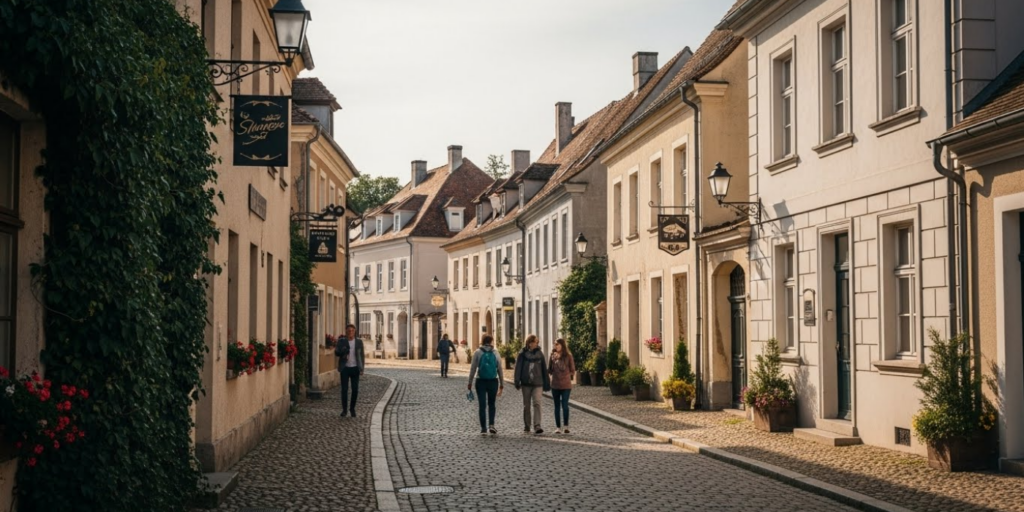
Imagine strolling down cobblestone streets where flower boxes spill over with geraniums, church bells chime in the distance, and the scent of fresh bread wafts from a centuries-old bakery. Europe is full of grand capitals and famous cities—but some of its most soul-stirring moments happen in its small towns, where time slows down and authenticity thrives.
If you’re craving a travel experience that feels personal, peaceful, and rich with history, stepping off the beaten path into Europe’s charming villages and petite towns might be exactly what you need. These hidden gems offer stunning architecture, local cuisine, and cultural depth—often without the crowds (or prices) of major tourist hubs.
In this article, we’ll take you on a journey through some of the most beautiful small towns across Europe—each with its own character, story, and allure. You’ll discover where to go for fairy-tale views, coastal calm, alpine serenity, and historic charm. Plus, we’ll share practical tips to help you plan your visit like a savvy traveler.
Whether you’re planning your next getaway or just daydreaming from your couch, get ready to fall in love with places you may have never heard of—but won’t soon forget.
Why Small Towns Offer the Best European Experiences
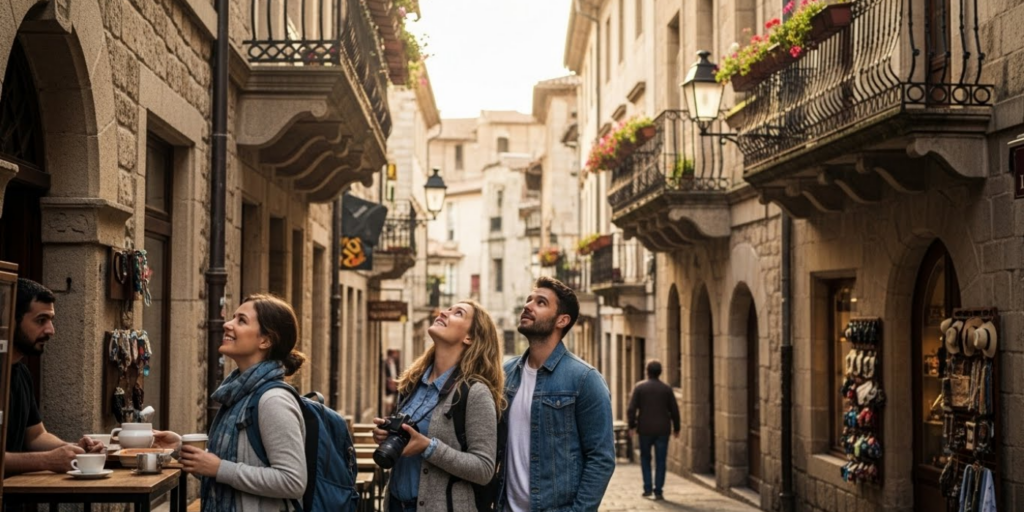
Big cities like Paris, Rome, or Barcelona are undeniably captivating—but they’re also packed, pricey, and often overwhelming. Small towns, on the other hand, offer something increasingly rare in modern travel: intimacy.
In a town of 2,000 people, you’re not just another tourist—you’re a guest. Locals might wave from their doorsteps, invite you to a village festival, or recommend the family-run trattoria that doesn’t have a website. These moments can’t be scheduled or bought; they happen when you’re open to slower, simpler travel.
Moreover, small towns are often where Europe’s cultural roots run deepest. Ancient traditions, regional dialects, and artisan crafts survive here in ways they’ve vanished from urban centers. You’ll taste cheese made the same way for 300 years or see embroidery patterns passed down through generations.
Bonus for travelers: Accommodations are often more affordable, parking is easier (if you’re driving), and you can explore the entire town on foot in a day—leaving more time for relaxation, photography, or lingering over coffee in a sun-dappled square.
In short, if you want to feel Europe—not just see it—small towns are your gateway.
Hallstatt, Austria – A Lakeside Dream Straight Out of a Painting
Tucked between the Dachstein Mountains and the glassy waters of Lake Hallstatt, this Austrian village looks almost too perfect to be real. With pastel-colored houses clinging to steep hillsides and a 16th-century square at its heart, Hallstatt has become iconic—thanks in part to its resemblance to a scene from Frozen (though locals will tell you the inspiration went the other way!).
Despite its Instagram fame, Hallstatt remains deeply historic. It’s home to the world’s oldest salt mine, dating back to prehistoric times, and the nearby Hallstatt Skywalk offers panoramic views that justify every step of the climb.
What to do:
- Take a boat ride on the lake at sunrise
- Visit the Hallstatt Ossuary (a chapel decorated with over 1,200 painted skulls—a local tradition)
- Ride the funicular up to the salt mine for a unique underground tour
Travel tip: To avoid crowds, visit in late spring (May) or early fall (September). Stay overnight—most day-trippers leave by 5 p.m., and the town transforms into a peaceful haven after dark.
Hallstatt reminds us that beauty and history can coexist in the quietest corners of the world.
Colmar, France – A Storybook Village in Alsace
If Hallstatt is Europe’s alpine postcard, Colmar is its half-timbered fairytale. Located in the Alsace region of northeastern France—just a stone’s throw from Germany—Colmar blends French elegance with Germanic architecture in the most delightful way.
Wander through La Petite Venise (“Little Venice”), where colorful houses line flower-fringed canals, or browse artisan shops along Rue des Marchands. Every corner feels like a painted canvas, especially during the Christmas season when the town’s famous market draws visitors from across the continent.
And let’s not forget the food: think flaky tarte flambée, Alsatian wines like Riesling and Gewürztraminer, and buttery brioche sold at family bakeries.
Why it works for a short trip: Colmar is compact, walkable, and well-connected by train from Strasbourg (just 30 minutes away). It’s perfect for a romantic weekend or a solo recharge amid beauty and quiet charm.
Colmar proves that sometimes, the most enchanting places are the ones that feel like they’ve been preserved in amber.
Ronda, Spain – Drama, Depth, and a Bridge Over a Canyon
Perched dramatically atop the El Tajo gorge in southern Spain, Ronda is not your typical quaint village. It’s bold, dramatic, and unforgettable. The town is split in two by a 360-foot-deep chasm, connected by the Puente Nuevo—a stone bridge built in the 18th century that has become one of Spain’s most photographed landmarks.
Beyond the views, Ronda pulses with history. It was a key Moorish stronghold for centuries, and its old quarter, La Ciudad, still bears the marks of that era—narrow alleys, Arab baths, and whitewashed houses glowing in the Andalusian sun.
What makes Ronda special:
- It’s less touristy than Seville or Granada but just as rich in culture
- The bullring here is Spain’s oldest—and a fascinating (if controversial) piece of history
- The surrounding countryside is dotted with olive groves and vineyards, perfect for day trips
Practical note: Visit at sunset. Watching the light shift over the gorge from the bridge’s viewpoint is a moment you’ll carry with you long after you leave.
Ronda teaches us that beauty isn’t always gentle—it can be rugged, intense, and awe-inspiringly grand.
Giethoorn, Netherlands – The “Venice of the North” Without the Crowds
Tired of motorized traffic and urban noise? Enter Giethoorn, a car-free village in the Dutch province of Overijssel where canals replace roads and wooden bridges connect thatched-roof cottages. Locals glide through town in whisper-quiet electric boats, and visitors can rent punts to explore at their own pace.
There are no souvenir shops blaring music here—just serene waterways, reed-fringed gardens, and the occasional duck family paddling by. It feels less like a tourist attraction and more like stepping into a living watercolor.
Best ways to experience Giethoorn:
- Rent a whisper boat (electric punt) for a self-guided tour
- Visit the Museum Giethoorn ’t Olde Maat Uus to learn about rural Dutch life
- Bike along the surrounding polders—flat, peaceful, and perfect for leisurely rides
When to go: Spring and early summer, when the gardens burst into bloom and the light is soft and golden.
Giethoorn is a gentle reminder that some of the world’s most beautiful places ask only for quiet presence—not loud consumption.
Positano, Italy – Coastal Glamour with Heart
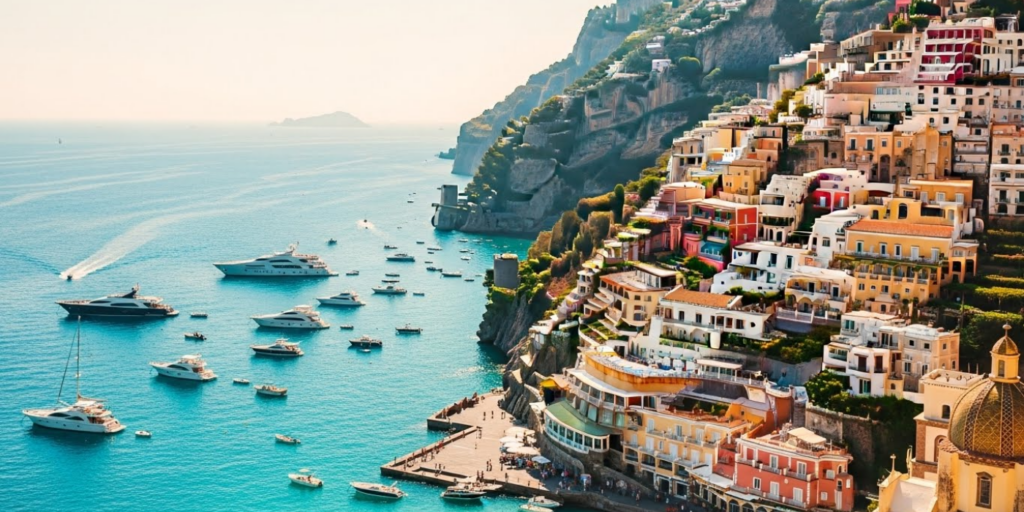
Perched on the Amalfi Coast, Positano cascades down a cliffside in a cascade of pastel buildings, lemon groves, and panoramic sea views. Yes, it’s popular—but for good reason. Every balcony seems to overlook the Tyrrhenian Sea, and every alleyway leads to a hidden trattoria or artisan shop.
While luxury yachts bob in the harbor, the soul of Positano remains rooted in simplicity: handmade sandals, locally woven linens, and seafood caught that morning. It’s glamorous, yes—but also deeply Italian in its warmth and rhythm.
Don’t miss:
- A hike along the Path of the Gods for jaw-dropping coastal views
- Dinner at a family-run osteria with spaghetti alle vongole and a crisp local white wine
- A boat trip to the nearby island of Capri for a day of exploration
Smart travel tip: Book accommodations in the upper part of town for better rates and quieter streets—but be prepared for stairs! Positano is built vertically, not horizontally.
Positano shows us that beauty and liveliness can coexist—and that even the most photographed places can still feel magical if you look beyond the surface.
Český Krumlov, Czech Republic – A Medieval Masterpiece
Tucked in the South Bohemian countryside, Český Krumlov looks like it was lifted straight from a storybook. Its winding streets, Gothic castle, and Baroque theater are so well-preserved that UNESCO declared it a World Heritage Site—and with justifiable pride.
The Vltava River loops around the old town like a protective moat, and from the castle tower, you can see red rooftops stretching in every direction. In summer, the river fills with kayakers; in winter, snow dusts the rooftops like powdered sugar.
Highlights:
- Tour the castle complex, including its stunning Baroque garden and revolving theater
- Enjoy a pint of local Budweiser (yes, it originated here—long before the American brand!)
- Take a day trip to nearby Hluboká Castle, often called the “Czech Neuschwanstein”
Why it’s underrated: It’s far less crowded than Prague (just 2.5 hours away by bus), yet offers just as much medieval charm—often at half the price.
Český Krumlov is proof that Europe’s magic isn’t reserved for famous capitals—it’s also hidden in valleys and river bends, waiting for curious travelers to find it.
Final Thoughts: Beauty Lives in the Details
Europe’s most beautiful small towns aren’t just pretty—they’re living museums of culture, history, and human connection. They remind us that travel isn’t about ticking off landmarks, but about slowing down enough to notice the way light falls on an old doorway, or how a local greets you with a nod and a smile.
Whether you’re drawn to alpine lakes, coastal cliffs, or medieval alleys, there’s a quiet European town that matches your travel soul. And the best part? Many of them are easier (and cheaper) to visit than you think—especially if you’re willing to explore beyond the guidebook headlines.
So next time you plan a European trip, consider skipping the third day in Paris or the second museum in Rome. Instead, hop on a regional train, rent a car for a weekend, or take a scenic bus ride into the countryside. You might just find your new favorite place in a town so small it doesn’t even have a traffic light.
Which of these towns captured your imagination? Have you visited any hidden gems we didn’t mention? Share your favorite small-town finds in the comments below—we’d love to add them to our travel list!

James Anderson is a passionate enthusiast of travel, fine dining, financial freedom, and personal performance. Always seeking new experiences and challenges, he believes in living life fully while continuously improving himself. For James, exploring new destinations, savoring unique culinary experiences, and striving for independence are not just hobbies—they are a lifestyle built on curiosity, growth, and the pursuit of excellence.