

Introduction
Imagine standing on a sun-drenched cliff overlooking a turquoise bay—where the only footprints in the sand are yours, the air smells of wild herbs, and the nearest tourist crowd is hundreds of miles away. Sounds like a dream? It’s not. Across the globe, hidden travel gems are waiting for curious explorers who crave authenticity over Instagram hotspots.
In a world where overtourism strains beloved destinations like Barcelona, Bali, and Santorini, savvy travelers are seeking quieter, more meaningful experiences. And the best part? These off-the-beaten-path locales often offer richer culture, lower prices, and deeper connections—with fewer crowds and zero lines at the “must-see” sites.
In this guide, we’ll take you on a curated journey to six extraordinary hidden gems—one for every kind of traveler: the beach lover, the history buff, the foodie, the adventurer, the nature seeker, and the slow traveler. Each destination is accessible, safe, and bursting with charm, yet still flying under the mainstream radar. Plus, we’ll share practical tips to help you visit responsibly and get the most out of your trip.
Pack your bags—and your sense of wonder. It’s time to discover the world’s best-kept secrets.
1. For Beach Lovers: El Nido, Palawan (But Skip the Tours—Go Local!)
Most travelers know El Nido in the Philippines as a tropical paradise—and for good reason. Towering limestone cliffs, hidden lagoons, and water so clear it looks Photoshopped. But here’s the secret: skip the crowded island-hopping tours and explore the mainland instead.
Stay in the quieter barangays (villages) like Corong-Corong or Las Cabañas, where family-run guesthouses offer ocean-view rooms for under $50/night. Rent a scooter and discover beaches like Nacpan Beach—a 4-km stretch of golden sand with just a few sunbathers and a local coconut stall serving fresh buko juice.
Why it’s special: Unlike Boracay or Phuket, El Nido’s mainland retains its village soul. You’ll eat grilled squid with fishermen, watch fireflies at dusk, and swim in bioluminescent bays without another soul in sight.
Pro tip: Visit between November and May for calm seas and sunny skies. Avoid Chinese New Year and Easter, when domestic tourism spikes.
This is paradise—without the price tag or the crowds.
2. For History Buffs: Gjirokastër, Albania – Europe’s Forgotten Ottoman Gem
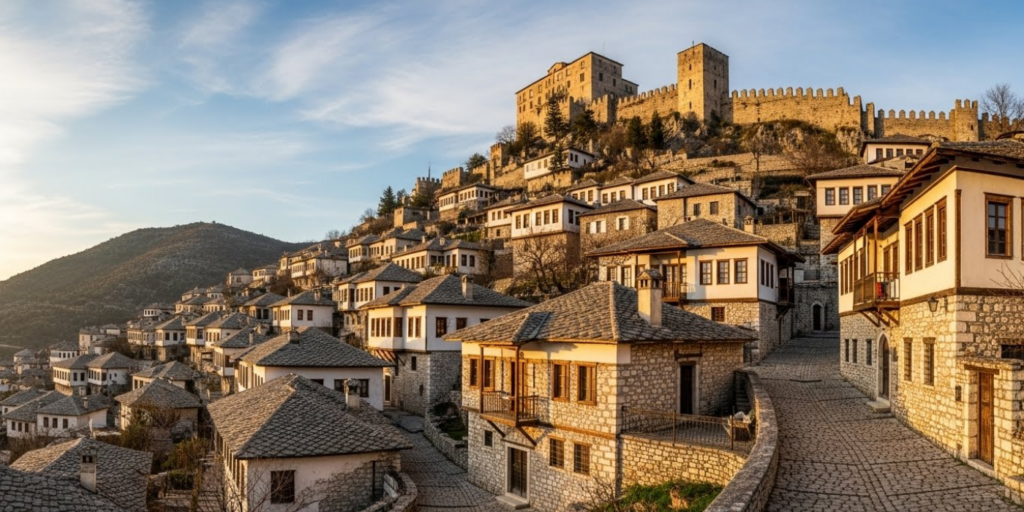
Tucked in southern Albania, Gjirokastër feels like stepping into a fairy tale—stone houses with slate roofs cascade down a steep hill beneath a 13th-century castle. A UNESCO World Heritage site, it’s one of the best-preserved Ottoman towns in Europe, yet sees just a fraction of the visitors that flock to Dubrovnik or Santorini.
Wander cobblestone streets where Ismail Kadare, Albania’s Nobel-nominated writer, was born. Visit the Ethnographic Museum housed in his family home, or hike up to Gjirokastër Castle for panoramic views over the Drino Valley.
Local insight: Try qifqi (rice balls with herbs) and byrek (flaky cheese pastry) at a family-run taverna. A full meal with local wine costs under $10.
Why go now? Albania is investing in tourism—but quietly. Flights from major European cities are increasing, yet prices remain low. A private room with mountain views? Around $35/night.
Bonus: Pair it with a day trip to Butrint, an ancient Greek-Roman city surrounded by wetlands and peacocks—Albania’s best-kept archaeological secret.
3. For Foodies: Oaxaca’s Sierra Norte – Beyond the Mole
Everyone knows Oaxaca City for its moles, mezcal, and markets. But venture just two hours north into the Sierra Norte mountains, and you’ll find a world where food is tied to earth, community, and ancient Zapotec traditions.
Stay in an eco-lodge run by Indigenous communities like Latuvi or Benito Juárez, where meals are prepared with ingredients grown on-site: wild mushrooms, quelites (edible greens), and corn ground on a metate stone. Join a cooking class led by local abuelas who share recipes passed down for generations.
Unforgettable experience: A temazcal ceremony (sweat lodge) followed by a feast of tamales wrapped in banana leaves and sipped with tejate, a pre-Hispanic corn-and-cacao drink.
Why it’s transformative: This isn’t culinary tourism—it’s cultural reciprocity. Your stay directly supports Indigenous land stewardship and language preservation.
Travel tip: Visit during the Guelaguetza festival (July) for traditional dances and communal feasts—but book lodges 6+ months ahead.
4. For Adventurers: Socotra Island, Yemen – Another Planet on Earth
If you’ve ever wanted to feel like an astronaut landing on an alien world, Socotra Island delivers. Located in the Indian Ocean off Yemen’s coast, this UNESCO site is home to 700+ endemic species—like the dragon’s blood tree (with umbrella-shaped canopy and red sap) and the cucumber tree.
Hike through Dixam Plateau, snorkel in the Detwah Lagoon, or camp under stars so bright they cast shadows. There are no resorts, no mega-yachts—just raw, untouched nature.
Important note: Due to Yemen’s political situation, most travelers access Socotra via chartered flights from Cairo or Abu Dhabi with licensed tour operators. Always check your government’s travel advisories first.
Why it’s urgent: Climate change and invasive species threaten Socotra’s fragile ecosystem. Responsible tourism—small groups, zero plastic, local guides—is critical.
For the bold: This is adventure travel at its purest. No Wi-Fi. No crowds. Just you and a landscape that evolved in isolation for 6 million years.
5. For Nature Seekers: Azores, Portugal – The Atlantic’s Green Secret
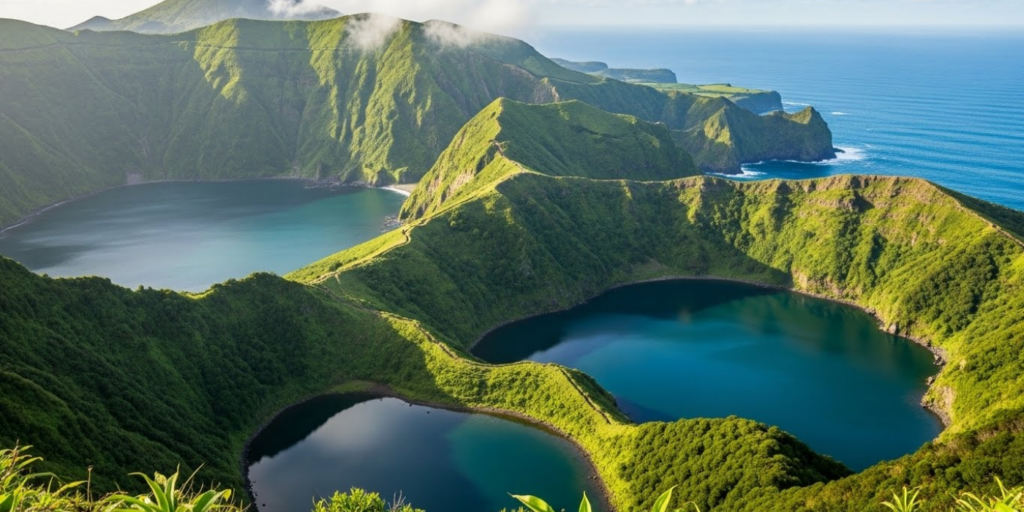
While mainland Portugal draws millions, the Azores archipelago—nine volcanic islands in the mid-Atlantic—remains refreshingly uncrowded. Think emerald craters, geothermal hot springs, whale-filled waters, and hydrangea-lined roads.
On São Miguel, hike to Lagoa do Fogo (Lake of Fire), soak in Ferraria’s ocean-heated tidal pools, or whale-watch with scientists from the Whale Watching Center (sperm whales and dolphins are year-round residents).
Eco-perk: The Azores are a UNESCO Biosphere Reserve. Over 30% of the land is protected, and plastic bags are banned island-wide.
Best time to visit: May–October for warm weather and whale activity. Spring brings wildflowers; fall offers fewer tourists and lower prices.
Stay local: Choose guesthouses or agritourism farms that serve cozido das Furnas—a stew slow-cooked underground by volcanic steam.
This is nature’s playground—where sustainability and beauty go hand in hand.
6. For Slow Travelers: Gokayama, Japan – Snowy Villages Frozen in Time
Tucked in Japan’s Toyama Prefecture, Gokayama is part of the historic Shirakawa-go region—but far less visited than its famous neighbor. Here, steep thatched-roof farmhouses (called gassho-zukuri) dot misty valleys, some dating back 400 years.
In winter, snow blankets the roofs like frosting, creating a scene straight out of a Studio Ghibli film. Stay overnight in a family-run farmhouse where you’ll sleep on tatami mats, eat mountain vegetable hot pots, and hear folktales by the hearth.
Cultural gem: Gokayama is one of Japan’s last places where washi paper is still handmade using 1,300-year-old techniques. Visit a workshop and try your hand at crafting your own sheet.
Why choose Gokayama over Shirakawa-go? Fewer tour buses, more authenticity, and deeper interaction with locals who genuinely welcome guests.
Travel tip: Take the scenic World Heritage Bus from Kanazawa (2.5 hours). Visit February for snow festivals—but book stays early; rooms are limited.
This is slow travel at its most poetic.
How to Visit Hidden Gems Responsibly
Discovering these places comes with a responsibility: to protect them. Follow these principles:
- Travel off-season when possible to reduce strain on infrastructure.
- Stay in locally owned lodgings—not international chains.
- Eat at family restaurants, not tourist traps.
- Carry a reusable water bottle and utensils—many remote areas lack waste systems.
- Ask permission before photographing people—especially in Indigenous communities.
- Leave no trace: Pack out what you pack in.
Remember: The goal isn’t to “discover” a place before others do—it’s to connect with it respectfully.
As traveler and author Pico Iyer said, “The real voyage of discovery consists not in seeking new landscapes, but in having new eyes.”
Final Thoughts: The World Is Vast—Go Deeper, Not Just Farther
These hidden gems remind us that travel isn’t about ticking off bucket-list landmarks. It’s about presence, curiosity, and humility. It’s about letting a place change you—through a shared meal, a silent forest, or a conversation with a stranger.
And the best part? For every place on this list, there are a hundred more waiting just off the map.
Conclusion
From Albania’s Ottoman alleys to Japan’s snowy farmhouses and the alien forests of Socotra, the world’s hidden travel gems offer richer, quieter, and more meaningful experiences than overcrowded hotspots ever could. You’ve discovered six incredible destinations—each catering to different passions—and learned how to explore them with care and respect.
This year, consider trading the well-trodden path for something quieter, truer, and more transformative. You don’t need a passport full of stamps—you need just one unforgettable journey that shifts how you see the world.
Where will your curiosity take you? Have you visited a hidden gem that changed your perspective? Share your favorite lesser-known destination in the comments below—and inspire others to travel deeper. If you found this guide helpful, please share it with a fellow wanderer. After all, the best travel secrets are the ones we pass on with love.

James Anderson is a passionate enthusiast of travel, fine dining, financial freedom, and personal performance. Always seeking new experiences and challenges, he believes in living life fully while continuously improving himself. For James, exploring new destinations, savoring unique culinary experiences, and striving for independence are not just hobbies—they are a lifestyle built on curiosity, growth, and the pursuit of excellence.