
Introduction
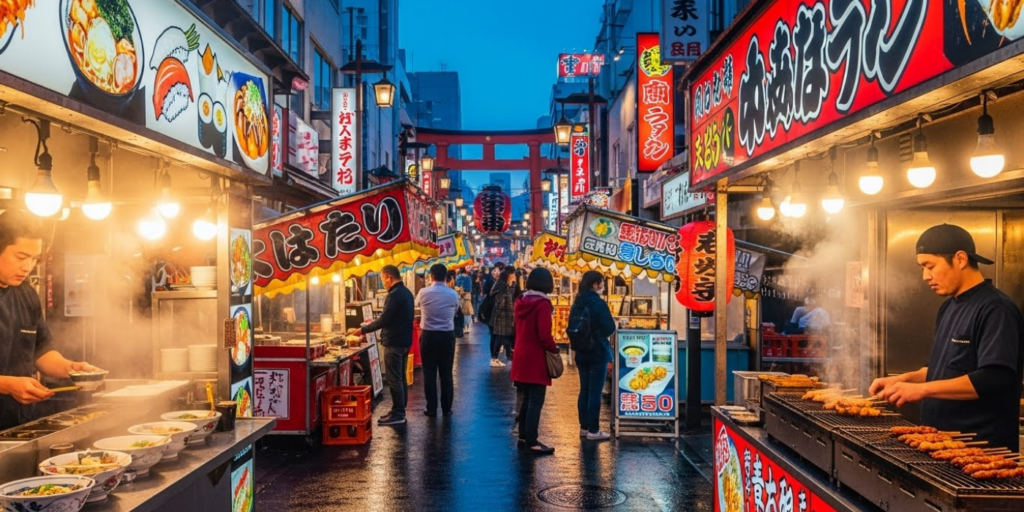
Imagine biting into a piece of melt-in-your-mouth tuna so fresh it practically dissolves on your tongue. Or slurping steaming ramen in a tiny alleyway stall where the broth has simmered for 18 hours. Tokyo isn’t just a city—it’s a living, breathing culinary wonderland, home to more Michelin-starred restaurants than any other city on Earth and some of the most soul-satisfying street food you’ll ever taste.
But with just 48 hours on the ground, how do you experience the best of Tokyo’s food scene without burning out—or missing the gems?
This carefully crafted itinerary balances iconic must-tries with local secrets, high-end omakase with humble comfort dishes, and gives you realistic timing (including transit!) so you can eat like a connoisseur, not a tourist. Whether you’re a sushi purist, a ramen obsessive, or just hungry for adventure, this guide will help you make every bite count—from sunrise at Tsukiji to midnight yakitori under neon lights.
So pack your stretchy pants, charge your phone for Google Maps, and get ready to eat your way through the world’s most delicious metropolis.
Morning of Day 1: Start Where the Pros Eat—Tsukiji Outer Market
Rise early (aim for 7:30 a.m.) and head to Tsukiji Outer Market (Tsukiji Jōgai Shijō)—the vibrant, chaotic, and utterly delicious successor to the old inner wholesale market. While the tuna auctions moved to Toyosu, Tsukiji’s outer lanes remain the heart of Tokyo’s food soul.
Why start here?
This is where chefs, locals, and food lovers gather for ultra-fresh seafood, street snacks, and kitchenware. It’s sensory overload in the best way—smoky grills, glistening fish mounds, and the sizzle of tamagoyaki (sweet rolled omelet) being made to order.
Must-try bites:
- Fatty tuna skewers (toro kushi) at Marukatsu – buttery, smoky, unforgettable
- Sea urchin (uni) bowls at Sushizanmai Tsukiji – creamy, briny, served over warm rice
- Matcha soft-serve from Tsukiji Gindaco – not traditional, but a refreshing palate cleanser
Pro tip: Go hungry but pace yourself—you’ve got a full 48 hours ahead! Avoid sitting at the first stall you see; walk deeper into the alleys for better quality and fewer crowds.
Bonus: Grab a tamagoyaki (Japanese omelet) from Yamachō—lightly sweet, custardy, and wrapped in paper for on-the-go snacking as you explore.
By 9:30 a.m., you’ll be buzzing with energy, flavor, and that first magical taste of Tokyo.
Late Morning to Lunch: Ramen in Ginza (Yes, Really!)
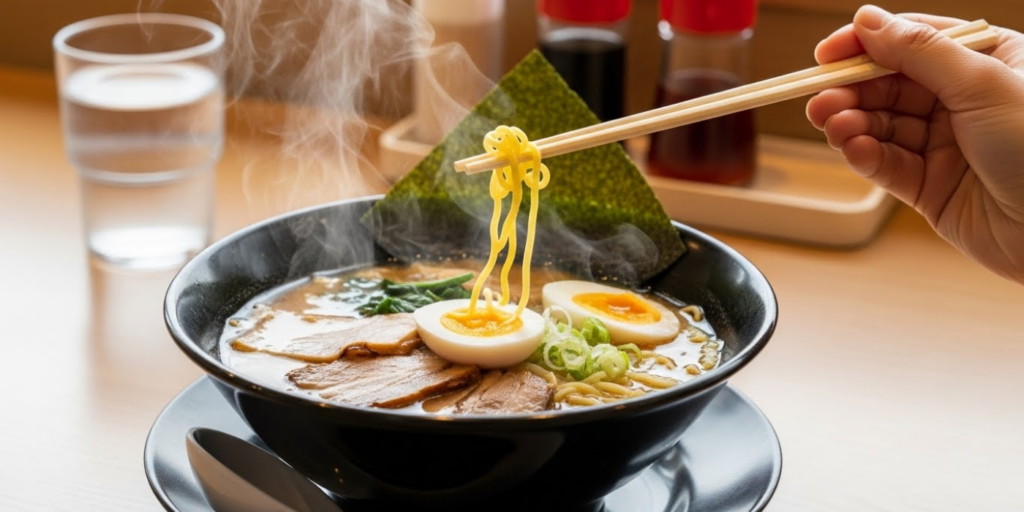
After Tsukiji, take a short 10-minute walk to Ginza, Tokyo’s upscale shopping district—and yes, it’s a fantastic place for ramen. Forget the stereotypes: Ginza hides some of the city’s most refined noodle experiences.
Destination: Ippudo Ginza or, for a more local feel, Rokurinsha (famous for tsukemen—dipping ramen).
Why tsukemen?
Unlike traditional ramen, tsukemen features cold, firm noodles served separately from a rich, hot broth. You dip, slurp, and savor the intense umami without the noodles getting soggy. It’s a textural masterpiece.
What to expect:
- Thick, chewy noodles
- Intensely savory broth (often fish- and pork-based)
- Optional add-ons like chashu pork or ajitama (marinated soft-boiled egg)
Timing tip: Arrive by 11:00 a.m. to avoid lunch rush lines. Most top ramen spots don’t take reservations—and lines can stretch 30+ minutes.
After lunch (around 1:00 p.m.), stroll through Ginza’s backstreets. Peek into depachika (department store food basements)—like at Mitsukoshi or Takashimaya—for exquisite bento boxes, wagashi (traditional sweets), and free samples. Even if you don’t buy anything, it’s a masterclass in Japanese food presentation.
Afternoon of Day 1: Sweet Treats & Tea in Harajuku
From Ginza, hop on the Tokyo Metro (about 20 minutes) to Harajuku, the epicenter of youth culture—and unexpected culinary delights.
First stop: Totti Candy Factory (open from 2 p.m.) for their famous giant rainbow cotton candy. It’s Instagram-famous for a reason: fluffy, pastel clouds that taste like spun sugar dreams. While gimmicky, it’s a fun, light treat to share.
Then, head to Sakurai Japanese Tea Experience (reservation recommended). This serene, minimalist tea house offers a guided tasting of premium Japanese teas—from delicate sencha to smoky hojicha and rare gyokuro.
Why this matters:
Most tourists skip tea, but Japanese tea culture is as refined as wine. Learning to taste the subtle notes of umami, sweetness, and minerality deepens your appreciation for the country’s palate.
Pair your tea with a delicate wagashi (seasonal sweet)—often shaped like cherry blossoms or autumn leaves. The balance of bitter tea and sweet confection is pure harmony.
Spend 1.5–2 hours here absorbing the calm before the evening’s energy.
Evening of Day 1: Izakaya Hopping in Shinjuku’s Golden Gai
As dusk falls, take the train to Shinjuku—Tokyo’s neon-drenched entertainment district—and dive into Golden Gai, a maze of narrow alleys packed with over 200 tiny bars and izakayas (Japanese pubs).
Why Golden Gai?
Each bar seats 5–10 people, often themed (jazz, punk, film noir), and run by passionate owners. It’s intimate, authentic, and the perfect place to try yakitori (grilled skewers), karaage (fried chicken), and highballs (whiskey + soda).
How to navigate:
- Walk the alleys and peek in—many post menus with English or photos
- Look for places with “English OK” signs if you’re nervous
- Try Omoide Yokocho nearby for a slightly less touristy (but equally atmospheric) alternative
Must-order dishes:
- Tsukune (chicken meatballs with egg yolk)
- Negima (chicken and scallion skewers)
- Hiyayakko (chilled tofu with ginger and scallions)
Cultural tip: It’s polite to order at least one drink and one food item per person. Don’t be shy—most owners speak a little English and love sharing their favorites.
Spend 2–3 hours hopping between 2–3 spots. End the night with a quiet moment under Shinjuku’s glowing skyline—full, happy, and already planning tomorrow’s eats.
Morning of Day 2: Depachika Delights & Breakfast in Shibuya
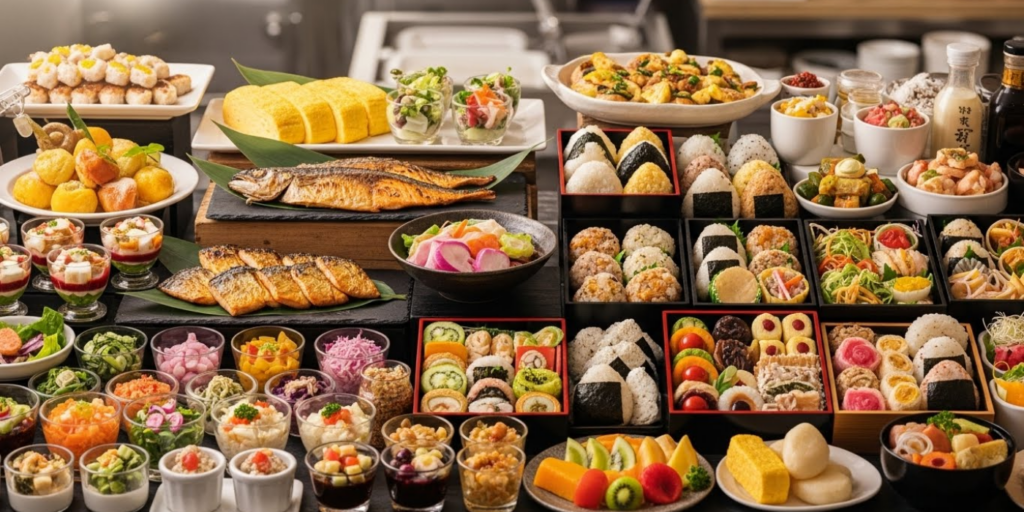
Start Day 2 a little later—9:00 a.m.—with a visit to Shibuya’s depachika at Shibuya Hikarie or Tokyu Department Store.
Unlike chaotic markets, depachika are orderly, elegant, and mind-blowing. Think: jewel-like sushi, artisanal bread, matcha everything, and bento boxes that look like art.
Perfect breakfast:
- Onigiri (rice balls) with salmon or umeboshi (pickled plum)
- Dorayaki (red bean pancake sandwich)
- Cold brew matcha latte
Pro move: Buy a bento box for lunch later—or a limited-edition souvenir like Kit Kats in sakura or wasabi flavor.
Then, walk 10 minutes to Shibuya Crossing—not for the photo op, but to find Uobei Sushi, a fun, affordable conveyor-belt sushi spot with a digital ordering system (great for beginners). Order via touchscreen, and your plates zoom to you on a mini bullet train!
Keep it light—you’ve got big plans for lunch.
Lunch of Day 2: Sushi Omakase Experience (Without the $300 Price Tag)
You don’t need to spend a fortune for world-class sushi. Sukiyabashi Jiro may be legendary, but Tokyo is full of affordable omakase (chef’s choice) options under $50.
Top pick: Sushi Daiwa (in Tsukiji area, but worth the return trip) or Nakamura in Roppongi (reservation essential).
What to expect:
- 8–12 pieces of ultra-fresh nigiri
- Chef interaction (even with language barriers)
- Perfectly vinegared rice, fish sliced with precision
Timing: Book a 12:00 or 12:30 p.m. slot. Most omakase lunches last 45–60 minutes—just enough time to savor without rushing.
Etiquette reminder:
- It’s fine to eat with your hands
- Dip fish-side (not rice) into soy sauce
- Say “itadakimasu” before eating, “gochisousama deshita” after
This is more than a meal—it’s a meditation on simplicity, seasonality, and mastery.
Late Afternoon: Hidden Gems in Yanaka & Final Sweet Bite
For your final hours, escape the buzz and head to Yanaka, one of Tokyo’s few preserved shitamachi (old downtown) neighborhoods.
Stroll the quiet lanes, visit the cemetery, and stop at Yanaka Matsuneya for mochi ice cream or Neko no Mise (Cat Shop) for cat-shaped wagashi.
Then, end at Yanaka Ginza, a retro shopping street with street food stalls. Try menchi-katsu (deep-fried meat cutlet) or dorayaki from a 50-year-old vendor.
It’s humble, nostalgic, and the perfect emotional counterpoint to Tokyo’s high-energy food scene.
Conclusion: More Than a Meal—A Memory
In just 48 hours, you’ve tasted Tokyo’s soul—from the electric buzz of Golden Gai to the silent precision of an omakase chef, from cotton candy clouds to bowls of broth that taste like decades of dedication.
This itinerary isn’t just about eating; it’s about experiencing Japan’s deep respect for craft, seasonality, and hospitality—whether you’re spending $3 or $300.
Of course, you’ll miss things. Tokyo is too vast to conquer in two days. But that’s the beauty: it leaves you hungry to return.
So take this guide, adapt it to your pace and cravings, and remember: the best meals often happen when you wander off-script.
Now we’d love to hear from you: What’s the one Tokyo dish you’d fly back for? Have you tried tsukemen or omakase on a budget? Share your foodie dreams or memories in the comments below! And if this itinerary helped you plan your trip, pass it on to a fellow traveler who believes food is the heart of adventure. Happy eating—Tokyo is waiting.

James Anderson is a passionate enthusiast of travel, fine dining, financial freedom, and personal performance. Always seeking new experiences and challenges, he believes in living life fully while continuously improving himself. For James, exploring new destinations, savoring unique culinary experiences, and striving for independence are not just hobbies—they are a lifestyle built on curiosity, growth, and the pursuit of excellence.