
Introduction
Imagine dancing under the stars at a centuries-old festival in Kyoto, sharing tea with nomadic herders on the Mongolian steppe, or learning to carve totem poles from Indigenous elders in the Pacific Northwest. These aren’t just “cool things to do”—they’re profound cultural experiences that can shift how you see the world, connect you to humanity in deeper ways, and leave memories that outlast any souvenir.
In an age of mass tourism and Instagram hotspots, truly authentic cultural encounters are becoming rare—and more valuable than ever. They invite you not just to observe, but to participate, listen, and learn with humility and respect.
In this article, we’ll take you on a journey to eight extraordinary cultural experiences around the globe that go far beyond sightseeing. Each one offers a window into traditions, beliefs, and ways of life that have been preserved across generations. You’ll discover where to go, why it matters, and how to engage responsibly—so your visit supports, rather than exploits, local communities.
Whether you’re a seasoned traveler or just starting to dream, let this list inspire you to seek out travel that transforms—not just your passport, but your perspective.
1. Attend the Day of the Dead in Oaxaca, Mexico
Forget Halloween—Día de los Muertos (Day of the Dead) is a vibrant, soulful celebration of life, memory, and family that unfolds every November 1–2 in Mexico. While observed nationwide, Oaxaca City offers one of the most authentic and visually stunning experiences.
Families build elaborate ofrendas (altars) adorned with marigolds, candles, photos, and favorite foods of departed loved ones. Streets fill with processions, face-painted dancers, and the scent of mole negro and pan de muerto (sweet “bread of the dead”).
Why it’s transformative:
This isn’t mourning—it’s a joyful reunion. The belief is that spirits return to visit the living, so joy, music, and storytelling honor their presence. Witnessing this deep connection between life and death can be deeply moving for Western travelers raised in cultures that often avoid the topic of death.
How to engage respectfully:
- Avoid costumes or “skull makeup” unless invited by locals—it’s sacred, not a party theme.
- Visit cemeteries at night (if allowed) to observe families holding vigils with candles.
- Support local artisans by buying hand-painted skulls or textiles directly from makers.
Tip: Book accommodations months in advance—Oaxaca welcomes thousands during this time, but the atmosphere is intimate and reverent.
2. Stay in a Traditional Ryokan in Japan
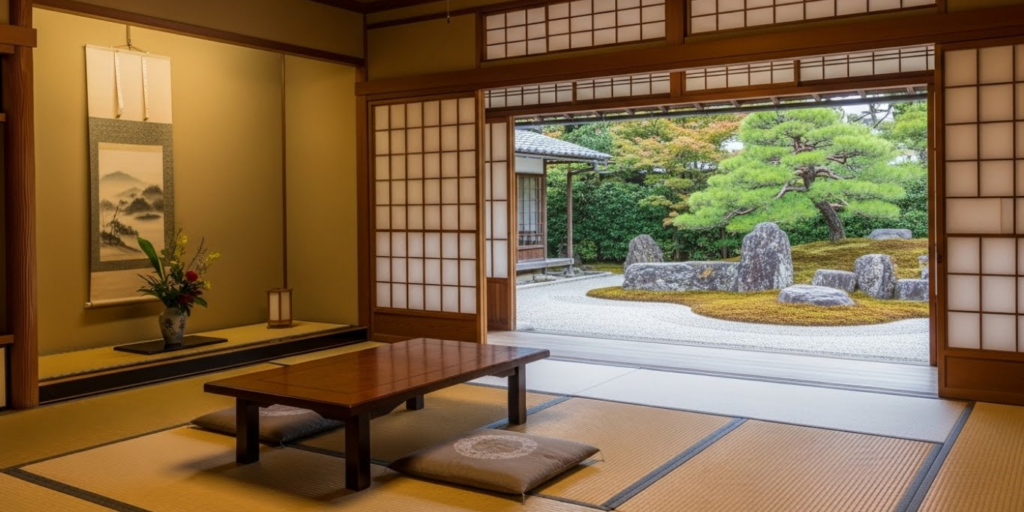
In Japan, hospitality is an art form—and nowhere is this more evident than in a ryokan, a traditional inn that offers far more than a place to sleep.
From the moment you enter, you’re guided through a ritual of tranquility: removing shoes, slipping into a yukata (light kimono), and soaking in an onsen (hot spring bath). Meals are served as kaiseki, a multi-course culinary experience that reflects the season and region.
Why it matters:
A ryokan stay isn’t just accommodation—it’s an immersion in wabi-sabi (the beauty of imperfection), mindfulness, and omotenashi (selfless hospitality). You’ll sleep on futons over tatami mats, sip matcha in a Zen garden, and experience silence as a form of communication.
Best locations:
- Kinosaki Onsen (Hyōgo Prefecture): A charming town with seven public baths.
- Gora Kadan (Hakone): Luxury ryokan near Mt. Fuji.
- Tsumago (Nakasendo Trail): Historic post town with preserved Edo-era inns.
Cultural tip: Learn basic etiquette—like never wearing your yukata to the dining room or washing thoroughly before entering the onsen.
This experience teaches you to slow down, savor details, and appreciate space as part of the journey.
3. Witness the Gerewol Festival of the Wodaabe People, Niger
In the southern Sahara, the semi-nomadic Wodaabe Fulani people host one of the world’s most extraordinary courtship rituals: the Gerewol Festival. Held after the rainy season (usually September), men adorn themselves with intricate makeup, beads, and feathers to perform dances and songs—all to impress female judges who select the most beautiful man.
Yes, you read that right: men are judged for beauty—based on white teeth, rolling eyes, and tall stature.
Why it’s unforgettable:
The Gerewol flips Western beauty norms and showcases a culture where aesthetics, poetry, and grace define masculinity. The vibrant colors against the desert backdrop create a surreal, almost otherworldly scene.
How to visit responsibly:
- Go with a reputable tour operator specializing in ethical cultural tourism (e.g., SaharAventures).
- Always ask permission before taking photos—many Wodaabe welcome photography but appreciate respect.
- Bring gifts like batteries, tea, or fabric—not money, which can distort traditions.
Note: This is a remote, rugged journey—expect basic camping and long drives. But for those seeking raw, unfiltered cultural authenticity, it’s unparalleled.
4. Learn Batik-Making in Yogyakarta, Indonesia
On the island of Java, the ancient art of batik—a wax-resist dyeing technique—has been passed down for centuries. In Yogyakarta, a cultural heartland of Indonesia, you can learn directly from master artisans in family-run workshops.
You’ll heat beeswax, draw intricate patterns with a canting (a small copper tool), and dip fabric into natural dyes made from roots, leaves, and bark. Each motif tells a story—of nature, mythology, or social status.
Why this experience resonates:
Batik isn’t just craft—it’s identity. In 2009, UNESCO recognized Indonesian batik as Intangible Cultural Heritage. By learning it, you honor a tradition that survived colonialism and mass production.
Where to go:
- Museum Batik Yogyakarta offers short workshops.
- Rumah Batik Winotosastro lets you design and take home your own scarf.
Bonus: Visit during Batik Day (October 2) when Indonesians proudly wear batik to celebrate national heritage.
This hands-on experience connects you to the patience, symbolism, and artistry behind every pattern.
5. Participate in a Sami Reindeer Herding Experience, Norway
In the Arctic wilderness of northern Norway, the Sami people—Europe’s only recognized Indigenous group—have herded reindeer for over 1,000 years. In places like Karasjok or Kautokeino, you can spend a day with a Sami family, help feed reindeer, hear joik (traditional songs), and learn about their deep spiritual bond with nature.
Why it’s meaningful:
The Sami worldview centers on balance with the land. Their language has dozens of words for snow and reindeer, reflecting a life shaped by seasons and migration. In an era of climate crisis, their wisdom feels urgently relevant.
How to engage:
- Book through Sami-owned operators like Sami Siida or Sapmi Nature.
- Ask questions—but listen more. Many Sami are reclaiming their culture after centuries of assimilation policies.
- Try bidos (reindeer stew) and cloudberries with cream.
This isn’t “tourism”—it’s cultural exchange, rooted in mutual respect.
6. Join a Holi Festival in Mathura or Vrindavan, India
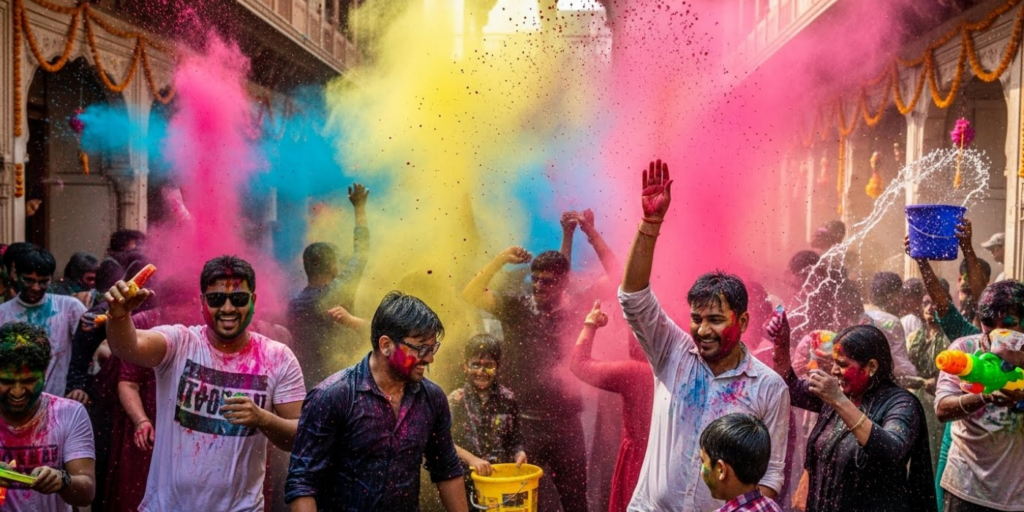
While Holi is celebrated across India, the towns of Mathura and Vrindavan—believed to be the childhood home of Lord Krishna—host the most spiritually layered festivities. For over a week, temples echo with devotional songs, and streets explode in clouds of colored powder, flower petals, and drumbeats.
Unlike commercialized versions elsewhere, here Holi is a devotional act, reenacting Krishna’s playful love.
What makes it special:
You’ll witness Lathmar Holi, where women playfully “beat” men with sticks—a reversal of gender roles rooted in legend. At night, temples host Phoolon ki Holi (Holi with flowers), a fragrant, meditative contrast to daytime chaos.
Travel tips:
- Wear old white clothes (you’ll get stained!).
- Use natural, herbal colors—many locals avoid synthetic dyes.
- Stay in a guesthouse near Banke Bihari Temple for front-row access.
This celebration blends joy, faith, and community in a way few festivals do.
7. Take Part in a Maori Hangi Feast, New Zealand
In New Zealand, the Māori—the Indigenous Polynesian people—welcome visitors with a pōwhiri (ceremonial greeting) followed by a hangi, a traditional feast cooked in an earth oven.
Stones are heated in a pit, layered with meat, vegetables, and kumara (sweet potato), then covered with earth to steam for hours. The result? Tender, smoky, communal dining under the stars.
Why it’s profound:
The hangi embodies manaakitanga—Māori hospitality rooted in generosity and respect. Sharing this meal is an act of connection, not consumption.
Where to experience it:
- Tamaki Māori Village (Rotorua): Immersive evening with storytelling and dance.
- Te Puia: Supports Māori arts and education.
Cultural note: During the pōwhiri, a wero (challenge) may be performed—don’t be alarmed! It’s a sign of respect.
This experience reminds us that food, when prepared with intention, becomes sacred.
8. Celebrate Inti Raymi with the Quechua in Cusco, Peru
On June 24, thousands gather in Cusco’s Sacsayhuamán fortress to honor Inti, the Inca sun god, in a reenactment of the ancient Festival of the Sun. Dancers in elaborate costumes, priests in ceremonial robes, and chants in Quechua bring the Inca Empire to life.
While the Spanish banned the original festival in 1572, it was revived in 1944—and today, it’s a powerful symbol of Indigenous resilience.
Why attend:
You’re witnessing not just history, but living identity. Many participants are Quechua descendants who blend Catholic and Inca traditions in daily life.
Plan ahead:
- Arrive early—crowds swell past 10,000.
- Hire a local guide to explain symbolism.
- Extend your trip to visit nearby communities practicing traditional weaving or farming.
This festival is a testament to culture that refuses to disappear.
Conclusion
These unique cultural experiences aren’t just items to check off a list—they’re invitations to step outside your worldview and connect with humanity in its rich diversity. Each one offers a chance to listen, learn, and return home not just with photos, but with transformed understanding.
But with that privilege comes responsibility. Always seek ethical, community-led experiences that honor traditions rather than commodify them. Ask: Who benefits? Who tells the story? How can I show respect?
Your bucket list shouldn’t just be about where you go—but how you show up.
So which of these experiences calls to you? Have you already had a cultural encounter that changed you? Share your story in the comments below—and if you know someone who travels with heart, pass this list along. The world’s most meaningful adventures begin when we choose to engage, not just observe. 🌍✨

James Anderson is a passionate enthusiast of travel, fine dining, financial freedom, and personal performance. Always seeking new experiences and challenges, he believes in living life fully while continuously improving himself. For James, exploring new destinations, savoring unique culinary experiences, and striving for independence are not just hobbies—they are a lifestyle built on curiosity, growth, and the pursuit of excellence.