
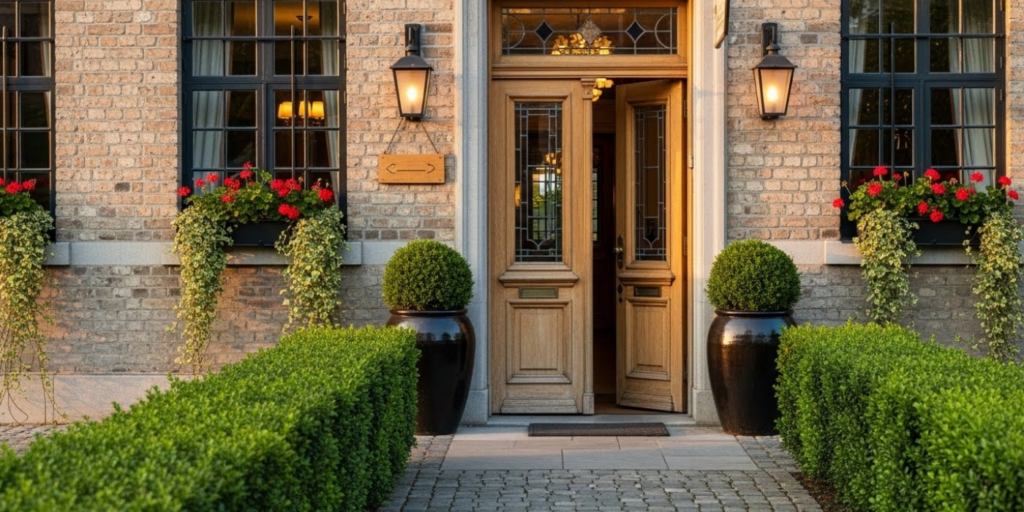
Introduction
You’re scrolling through hotel options for your upcoming getaway, and you’re torn. On one side: the familiar chain hotel with predictable rooms and loyalty points. On the other: a charming boutique property with only 12 rooms, hand-painted tiles, and a rooftop garden overlooking the city skyline. Which one promises the richer experience?
If you’re craving something more personal, memorable, and uniquely local, a boutique hotel might be your perfect match. But not all boutique hotels are created equal—some deliver magic, while others fall short on comfort or service. The key is knowing what to look for before you book.
In this guide, we’ll walk you through the essential factors that separate a truly exceptional boutique hotel from one that’s merely “Instagrammable.” From location and authenticity to staff warmth and hidden amenities, you’ll learn how to spot the details that matter most. Whether you’re planning a romantic weekend, a solo adventure, or a cultural city break, these tips will help you choose a stay that feels less like a transaction and more like a story waiting to unfold.
1. Location: Convenience Meets Character
When it comes to boutique hotels, location isn’t just about proximity—it’s about immersion. Unlike big chains that often sit near highways or business districts, boutique hotels thrive in neighborhoods with soul: historic quarters, artsy enclaves, or quiet cobblestone alleys just steps from the action.
Ask yourself:
- Is it walkable to key attractions, restaurants, and public transit?
- Does it sit in a safe, vibrant neighborhood where you’d want to stroll at dusk?
- Is it tucked away enough to feel peaceful, but not so remote that you’ll need a taxi for everything?
Real example: In Lisbon, a boutique hotel in Alfama (the oldest district) puts you amid Fado music drifting from open windows and family-run tascas serving grilled sardines. Meanwhile, one near the airport may be cheaper—but you’ll miss the heartbeat of the city.
Pro tip: Use Google Street View to “walk” the block. Are there cafes, bookshops, or markets nearby? Or just parking lots and chain stores? The surroundings shape your entire experience.
A great boutique hotel doesn’t just house you—it connects you to the place.
2. Authenticity Over Aesthetics: Does It Feel Real?
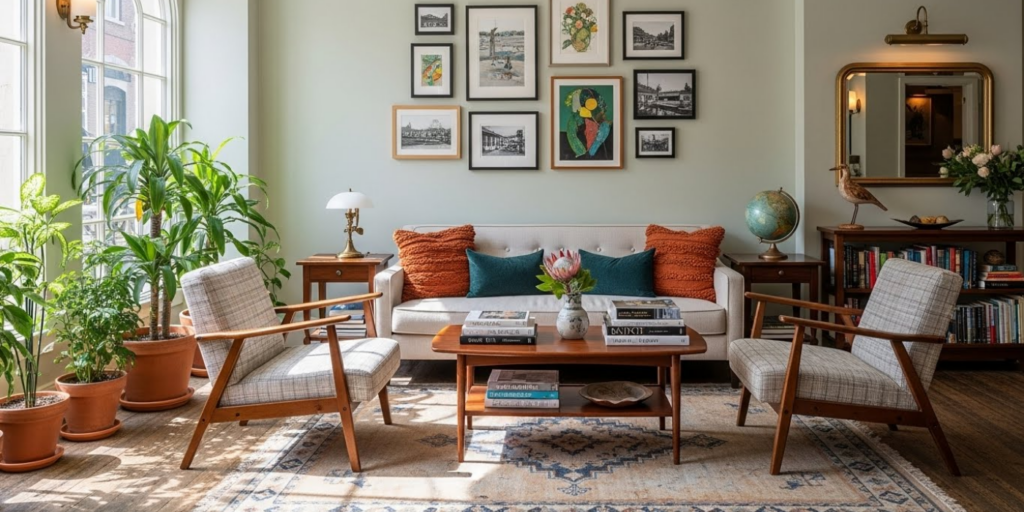
Yes, that marble bathtub and velvet headboard look stunning on Instagram—but does the hotel feel genuine? True boutique hotels reflect the local culture, history, or craftsmanship of their destination, not a generic design trend copied from Pinterest.
Look for signs of thoughtful storytelling:
- Furniture made by local artisans
- Decor that nods to regional history (e.g., vintage maps, traditional textiles)
- A name or concept tied to the building’s past (a former bookstore, convent, or printing house)
Red flags:
- Rooms that all look identical (a sign of corporate styling)
- Generic “luxury” buzzwords with no local context
- Staff who can’t tell you about neighborhood gems
Why it matters: Authenticity creates emotional resonance. Staying in a 19th-century Parisian mansion-turned-hotel feels worlds apart from sleeping in a sleek box with Eiffel Tower wallpaper—even if both are “boutique.”
Tip: Read recent guest reviews that mention “atmosphere” or “character.” Phrases like “felt like a local” or “full of soul” are golden indicators.
3. Personalized Service: The Human Touch
One of the biggest advantages of boutique hotels? They’re small enough to care. With fewer guests, staff can remember your name, your coffee order, or that you’re celebrating an anniversary.
But service quality varies wildly. Before booking, ask:
- Is there a dedicated concierge or owner on-site?
- Do they offer customized recommendations (not just a printed list)?
- Are check-in/check-out flexible if your flight is late?
Look for these signs in reviews:
- “The host arranged a last-minute dinner reservation at a sold-out bistro.”
- “They left homemade cookies after I mentioned it was my birthday.”
- “The front desk walked me to the subway because I looked confused.”
Avoid: Places where reviews mention “impersonal,” “slow to respond,” or “felt like a hostel.”
Remember: In a boutique hotel, service isn’t transactional—it’s relational. The best ones make you feel like a guest in someone’s beautifully curated home, not a room number.
4. Room Quality and Unique Amenities
Size doesn’t always matter—but comfort and character do. Boutique hotel rooms are often smaller than chain hotel suites, but they make up for it with smart design, premium linens, and thoughtful touches.
What to prioritize:
- High-quality bedding (look for 300+ thread count cotton or linen)
- Functional layout (no tripping over suitcases!)
- Soundproofing (especially in city centers)
- Good lighting (warm, dimmable, and task lighting for reading)
Bonus amenities that elevate the stay:
- Local welcome gifts (olive oil, wine, pastries)
- Rainfall showers or deep soaking tubs
- In-room coffee makers with beans from a nearby roaster
- Curated minibars with regional snacks and spirits
Pro tip: Check if the room has climate control (not just a window you can’t open). And always verify if photos show the actual room category you’re booking—some hotels use shots of their best suite to sell standard rooms.
A great boutique room feels like a sanctuary, not just a place to sleep.
5. Transparency and Guest Reviews: Read Between the Lines

Boutique hotels often lack the brand recognition of Marriott or Hilton, so reviews become your best research tool. But don’t just skim the stars—dive into recent, detailed feedback.
Focus on these review elements:
- Cleanliness: “Spotless” vs. “dusty corners” tells you everything.
- Noise levels: “Quiet oasis” or “heard every footstep from upstairs”?
- Staff responsiveness: Did they solve problems quickly?
- Accuracy: Did the room match the photos?
Where to look:
- Google Reviews (often more honest than booking sites)
- TripAdvisor (filter by “recent” and “with photos”)
- Instagram (search the hotel’s hashtag to see real guest shots)
Watch out for:
- Overly polished stock photos with no real guest images
- Vague descriptions like “luxurious” without specifics
- A sudden drop in ratings over the past 6 months (could signal new management or maintenance issues)
Pro move: Email the hotel with a specific question (“Do you offer luggage storage after check-out?”). Their speed and warmth in replying often mirror the in-person experience.
6. Sustainability and Ethical Practices (The Quiet Luxury)
More travelers now care about how their stay impacts the community and environment. The best boutique hotels lead this charge quietly but meaningfully.
Look for:
- Locally sourced breakfast ingredients
- Reusable bathroom amenities (no single-use plastics)
- Energy-efficient lighting or water-saving systems
- Partnerships with local guides, artists, or nonprofits
Why it matters: Supporting ethical hotels helps preserve the destination you came to enjoy. Plus, sustainable practices often go hand-in-hand with higher quality and care—because owners who respect their environment tend to respect their guests too.
Tip: Check the hotel’s “About” or “Sustainability” page. Real commitment shows in details, not just buzzwords.
The Intangible Magic: When a Stay Becomes a Memory
Beyond checklist items, the best boutique hotels offer something harder to define: a feeling. It’s the morning light through hand-blown glass, the host sharing a family recipe, or the quiet courtyard where you sip wine after a long day of exploring. These moments stick with you long after check-out—and that’s the real value of choosing boutique.
Conclusion
Booking a boutique hotel isn’t just about finding a place to sleep—it’s about choosing an experience that reflects your values, curiosity, and desire for connection. By focusing on location with soul, authentic design, personalized service, thoughtful amenities, honest reviews, and ethical practices, you’ll find a stay that feels tailor-made for you.
So next time you’re planning a trip, skip the algorithm-driven recommendations and dig a little deeper. Look beyond the photos. Read the stories. Ask the questions. Your perfect boutique escape is out there—waiting to welcome you not as a guest, but as part of its story.
We’d love to hear from you! Have you stayed at a boutique hotel that left a lasting impression? What made it special? Share your favorite hidden gem or booking tip in the comments below—and if this guide helped you see boutique stays in a new light, pass it on to a fellow traveler who believes the journey begins the moment you open the door. Safe travels!

James Anderson is a passionate enthusiast of travel, fine dining, financial freedom, and personal performance. Always seeking new experiences and challenges, he believes in living life fully while continuously improving himself. For James, exploring new destinations, savoring unique culinary experiences, and striving for independence are not just hobbies—they are a lifestyle built on curiosity, growth, and the pursuit of excellence.